



Introduction
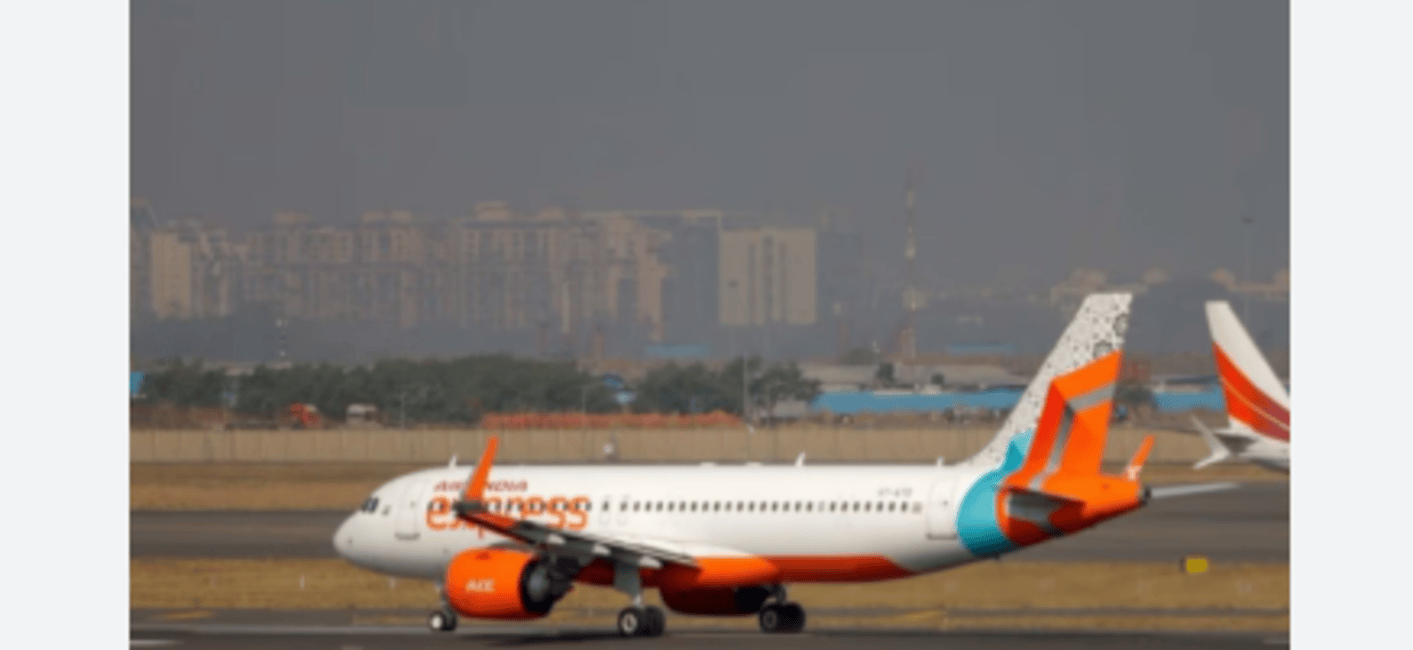
Aviation Fuel Stable, Commercial LPG Prices Rise India’s energy pricing landscape continues to reflect the complex interplay of global market trends, domestic economic priorities, and government policy decisions. In a recent development, aviation turbine fuel (ATF) prices for domestic carriers have been kept unchanged, offering relief to the aviation sector, while commercial liquefied petroleum gas (LPG) prices have been increased, adding pressure on businesses dependent on bulk fuel consumption.
This dual decision highlights the contrasting priorities of stabilizing a recovering aviation industry while managing inflationary pressures and aligning fuel prices with global benchmarks. The move has wide-ranging implications for airlines, hospitality businesses, Aviation Fuel Stable small enterprises, and ultimately, consumers.
Aviation Turbine Fuel Prices Remain Unchanged
Relief for the Aviation Sector
Aviation turbine fuel is one of the most significant cost components for airlines, Aviation Fuel Stable often accounting for nearly 35-45% of their operational expenses. The decision to keep ATF prices unchanged comes as a welcome respite for domestic carriers that have been grappling with fluctuating fuel costs and intense competition.
Airlines in India have been navigating a challenging environment marked by high fuel prices, Aviation Fuel Stable currency volatility, and increasing passenger demand. Stability in ATF prices allows carriers to better manage costs, maintain fare structures, and sustain operational efficiency.
Impact on Airline Operations
The unchanged fuel prices are likely to have several positive effects:
- Stable Airfares: Airlines may avoid sudden fare hikes, Aviation Fuel Stable benefiting passengers.
- Operational Planning: Predictable costs allow for better route and fleet planning.
- Improved Margins: Even temporary stability can help airlines improve financial performance.
In recent months, the aviation sector has witnessed strong growth in passenger traffic, driven by increased travel demand post-pandemic. Keeping ATF prices stable ensures that this momentum is not disrupted by cost pressures.
Commercial LPG Prices Hiked
Increased Burden on Businesses
In contrast to the relief offered to airlines, the government has increased the price of commercial LPG cylinders. These cylinders are widely used in restaurants, hotels, Aviation Fuel Stable catering services, and various small-scale industries.
The price hike is expected to have immediate consequences:
- Higher Operating Costs: Businesses will face increased expenses.
- Potential Price Pass-Through: Consumers may see higher prices for food and services.
- Impact on Small Enterprises: Smaller establishments with limited margins could be hit the hardest.

Reasons Behind the Price Increase
The increase in commercial LPG prices is largely attributed to:
- Global Crude Oil Trends: International energy prices have shown volatility.
- Currency Fluctuations: A weaker rupee increases import costs.
- Subsidy Rationalization: The government continues to align domestic prices with global market rates.
While domestic LPG used for household cooking often receives subsidies or controlled pricing, commercial LPG is more directly influenced by market conditions.
Global Energy Market Dynamics
Influence of International Crude Prices
India imports a significant portion of its crude oil requirements, Aviation Fuel Stable making domestic fuel prices highly sensitive to global trends. Recent fluctuations in crude oil prices have been driven by:
- Geopolitical tensions in oil-producing regions
- Supply constraints by major oil-exporting countries
- Changes in global demand patterns
These factors have contributed to the cautious approach in adjusting fuel prices domestically.
Balancing Act for Policymakers
The government faces the challenge of balancing multiple objectives:
- Controlling inflation
- Supporting economic growth
- Ensuring energy security
- Maintaining fiscal discipline
Keeping ATF prices stable while increasing commercial LPG rates reflects a targeted approach to address sector-specific needs.
Impact on the Aviation Industry
Recovery and Growth Prospects
India’s aviation sector is on a recovery path, Aviation Fuel Stable with increasing passenger numbers and expanding routes. Stability in fuel prices will likely:
- Encourage airlines to expand operations
- Support competitive pricing strategies
- Enhance investor confidence in the sector
Major carriers are focusing on fleet expansion and improved connectivity, Aviation Fuel Stable especially in tier-2 and tier-3 cities.
Challenges Still Remain
Despite the relief, airlines continue to face challenges such as:
- High taxation on aviation fuel
- Infrastructure constraints
- Intense market competition
Long-term sustainability will depend on broader policy reforms and continued demand growth.
Impact on Hospitality and Small Businesses
Restaurants and Hotels Under Pressure
The hike in commercial LPG prices is expected to significantly impact the hospitality sector. Restaurants, Aviation Fuel Stablehotels, and catering services rely heavily on LPG for cooking and operations.
Consequences include:
- Increased menu prices
- Reduced profit margins
- Potential decline in customer footfall
Small Enterprises at Risk
Small businesses, including street vendors and local eateries, Aviation Fuel Stable may find it difficult to absorb the increased costs. Many operate on thin margins and may be forced to pass on the burden to customers or reduce operational scale.
Inflationary Implications
Ripple Effects on Prices
The increase in commercial LPG prices could contribute to inflation in several ways:
- Higher food prices in restaurants
- Increased cost of services
- Indirect impact on supply chains
While the direct impact on household inflation may be limited, Aviation Fuel Stable the overall effect on the economy could be significant.
Government’s Inflation Management Strategy
The government has been actively monitoring inflation and taking steps to keep it within target ranges. The selective adjustment of fuel prices indicates a calibrated approach to managing inflationary pressures.
Consumer Perspective
Mixed Impact on Households
For the average consumer, the impact of these changes is mixed:
- Positive: Stable airfares due to unchanged ATF prices
- Negative: Higher costs for dining out and certain services
Households may not feel an immediate direct impact from the LPG price hike unless it translates into higher prices for goods and services. 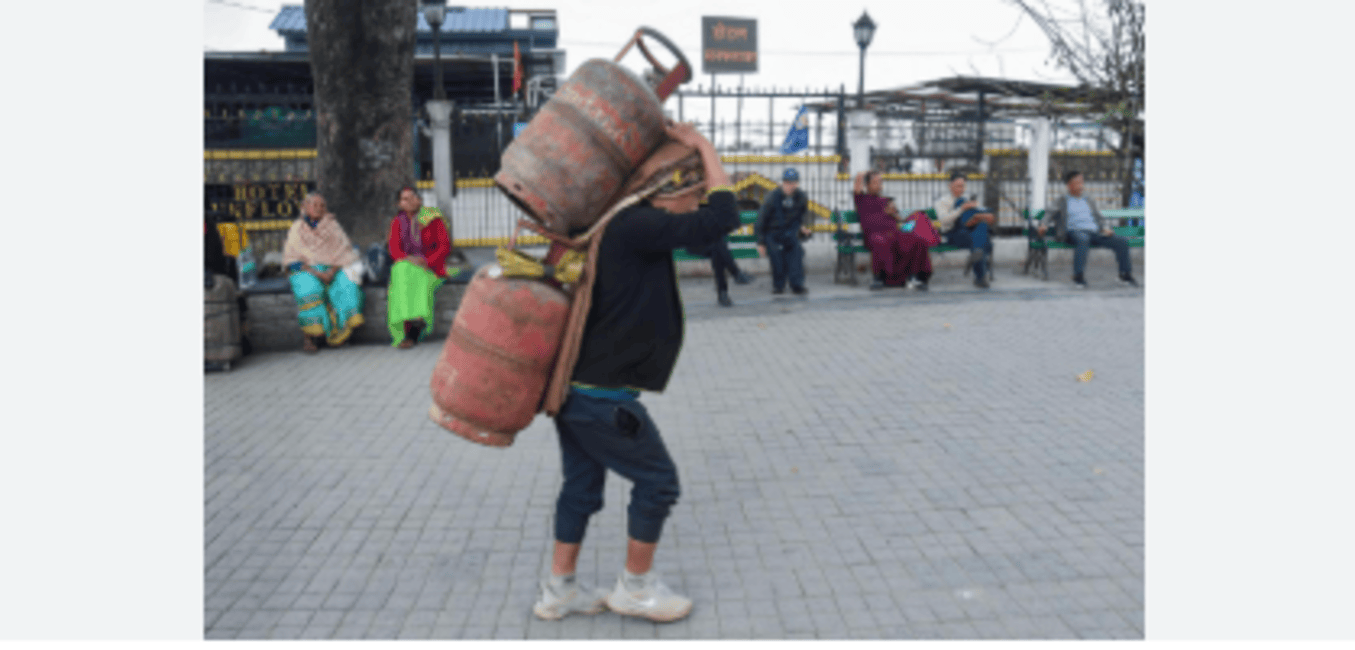

Policy and Economic Outlook
Energy Pricing Reforms
India’s energy pricing policies have evolved over time, Aviation Fuel Stable with a gradual shift towards market-linked pricing. This approach aims to:
- Improve transparency
- Reduce subsidy burden
- Align with global practices
However, it also exposes consumers and businesses to market volatility.
Future Trends
Looking ahead, fuel prices in India will likely continue to be influenced by:
- Global crude oil movements
- Exchange rate fluctuations
- Domestic economic conditions
Policymakers will need to remain agile in responding to changing dynamics.
Expert Opinions
Economists and industry experts have offered mixed views on the recent developments:
- Positive View: Stability in ATF prices supports a critical sector like aviation.
- Concern: Rising LPG costs could hurt small businesses and contribute to inflation.
Many experts emphasize the need for structural reforms to reduce dependence on imported energy and enhance domestic production.
Conclusion
The decision to keep aviation fuel prices unchanged while increasing commercial LPG rates underscores the complexities of energy pricing in a dynamic global environment. While the aviation sector benefits from cost stability, Aviation Fuel Stable businesses reliant on LPG face new challenges.
This dual approach reflects a broader strategy to balance economic growth with fiscal responsibility. As India continues to navigate global uncertainties and domestic priorities, Aviation Fuel Stable pricing decisions will remain a key tool in shaping the country’s economic trajectory. ALSO READ:-Rajnath Singh Urges Italy to Refrain from Sharing Defence Technology with Pakistan: Strategic Concerns and Global Implications 2026