


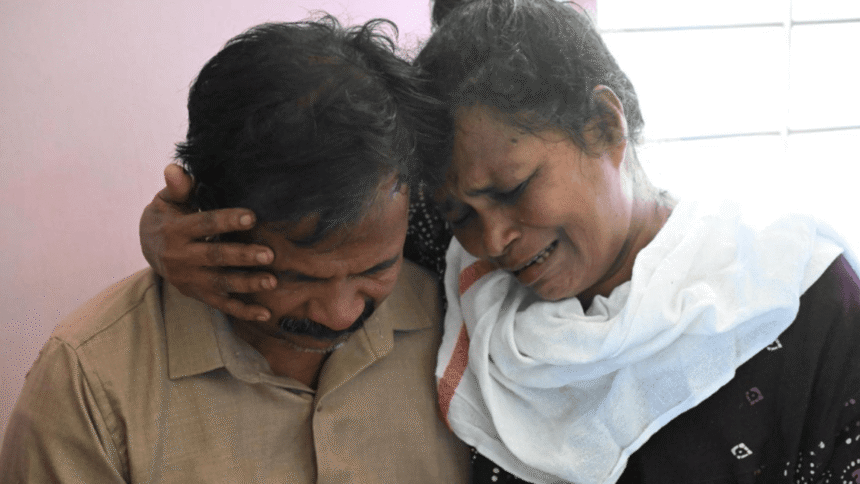
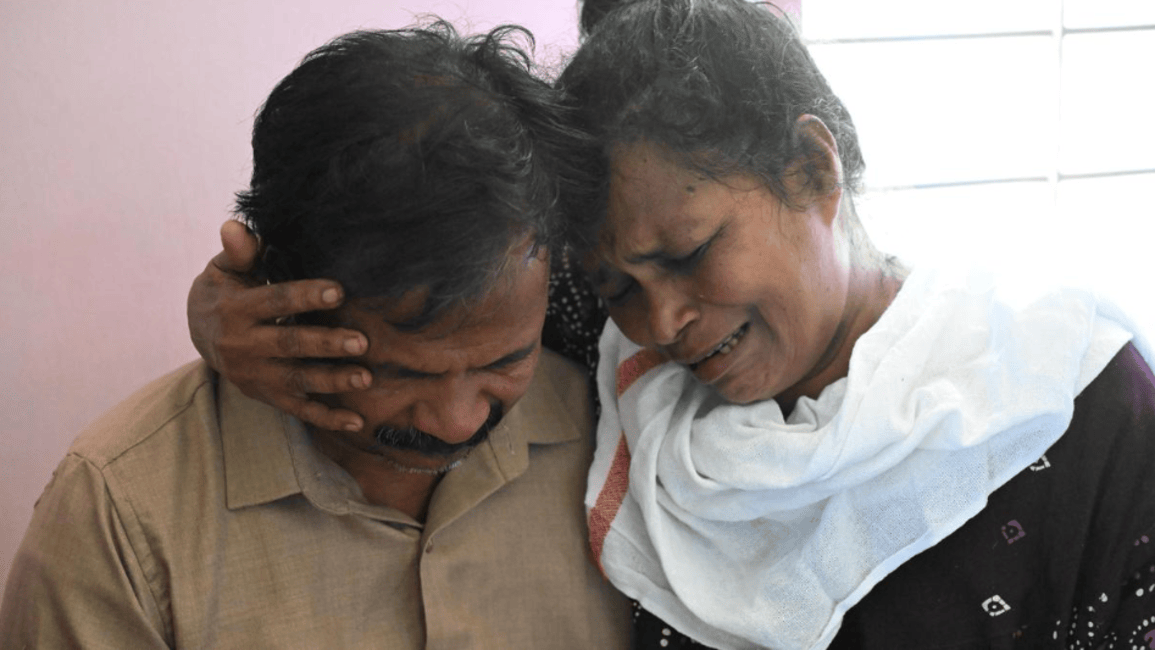
Tragedy Sparks Debate on Discrimination in Educational Institutions
Introduction
BDS Student’s Death in Kannur the tragic death of a Bachelor of Dental Surgery (BDS) student in Kannur has reignited a nationwide conversation on caste-based discrimination in India’s educational institutions. The incident has drawn attention not only for its immediate circumstances but also for the deeper social realities it reflects—raising uncomfortable questions about systemic bias, institutional accountability, and student welfare.
As details continue to emerge, the case has prompted protests, political reactions, and calls for a thorough investigation. It has also once again underscored the urgent need to address caste prejudice in spaces that are meant to promote equality and opportunity.
The Incident: A Life Lost Too Soon
What Happened in Kannur
The student, enrolled in a dental college in Kannur, reportedly died under circumstances that have led to allegations of harassment and discrimination. While investigations are ongoing, family members and activists have claimed that caste-based bias may have played a role in the events leading up to the tragedy.
Authorities have initiated inquiries to determine the exact cause of death and whether institutional negligence or discrimination contributed to the incident.
Immediate Response
The incident triggered:
- Student protests demanding justice
- Calls for suspension of officials
- Public outrage on social media
Civil society groups have urged authorities to ensure a transparent and impartial investigation.
Caste Bias in Educational Institutions
A Persistent Problem
Despite legal protections and social progress, caste discrimination remains a reality in many parts of India. Educational institutions, often seen as spaces of merit and equality, are not immune.
Forms of discrimination may include:
- Social exclusion and isolation
- Verbal harassment
- Unequal treatment by faculty or peers
- Subtle biases in evaluation and opportunities
Impact on Students
For students from marginalized communities, BDS Student’s Death in Kannur such experiences can lead to:
- Psychological distress
- Loss of confidence
- Academic setbacks
- In extreme cases, self-harm
The Kannur incident has once again highlighted the human cost of such discrimination.
Legal Framework and Safeguards
Constitutional Provisions
India’s Constitution guarantees equality and prohibits discrimination on the basis of caste. Key provisions include:
- Right to equality
- Abolition of untouchability
- Protection against discrimination
Relevant Laws
Several laws aim to address caste-based discrimination, including:
- The Scheduled Castes and Scheduled Tribes (Prevention of Atrocities) Act
- Anti-ragging regulations in educational institutions
However, enforcement remains inconsistent, BDS Student’s Death in Kannur and many cases go unreported or unresolved. 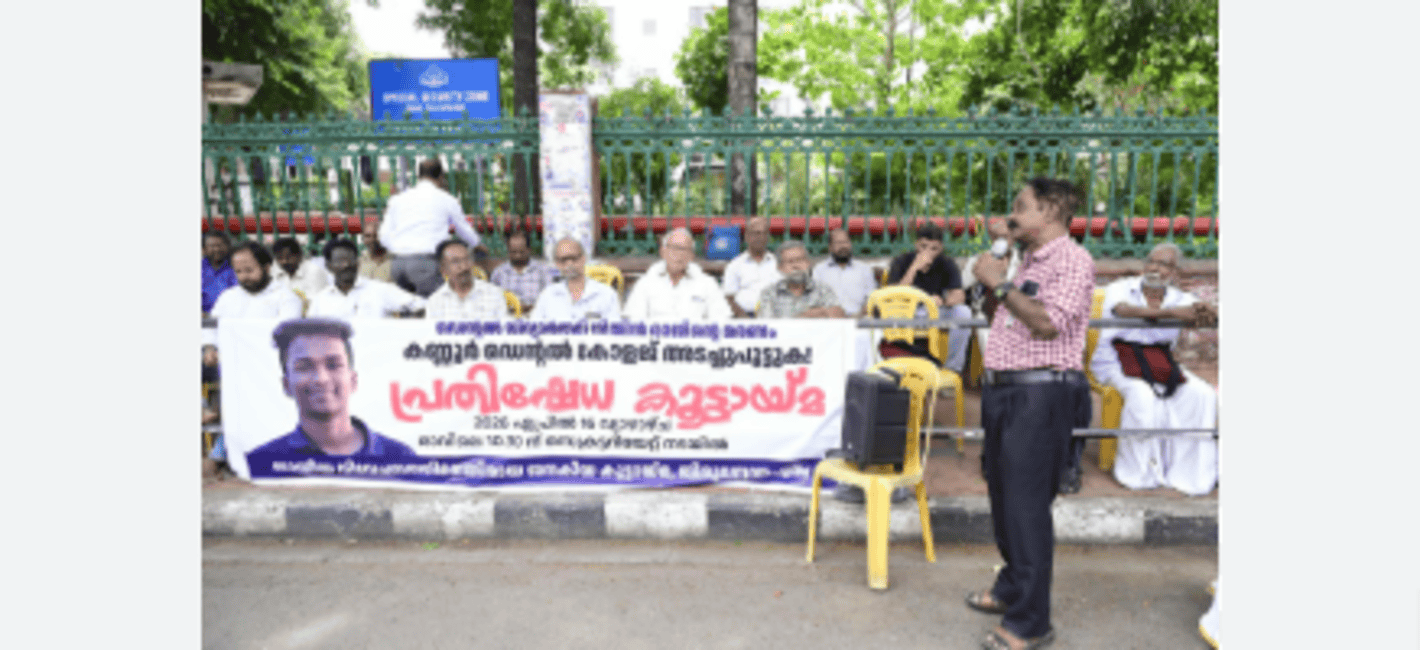

Institutional Responsibility
Role of Colleges and Universities
Educational institutions have a responsibility to:
- Provide a safe and inclusive environment
- Address complaints promptly
- Ensure accountability
The Kannur case raises questions about whether these responsibilities were adequately fulfilled.
Need for Robust Mechanisms
Experts emphasize the importance of:
- Functional grievance redressal systems
- Sensitization programmes for staff and students
- Regular monitoring and audits
Without these measures, policies remain ineffective.
Voices of Protest and Solidarity
Student Activism
Students across Kerala and other parts of India have organized protests, BDS Student’s Death in Kannur demanding justice for the deceased student. Their demands include:
- Independent investigation
- Strict action against those responsible
- Institutional reforms
Civil Society and Political Reactions
Activists and political leaders have also weighed in, BDS Student’s Death in Kannur calling for systemic changes to address caste bias.
The Psychological Dimension
Mental Health Challenges
Students facing discrimination often struggle with mental health issues, including:
- Anxiety and depression
- Feelings of isolation
- Suicidal thoughts
The stigma surrounding mental health further complicates the situation, BDS Student’s Death in Kannur preventing many from seeking help.
Need for Support Systems
Institutions must provide:
- Counseling services
- Peer support networks
- Safe spaces for dialogue
Media and Public Discourse
Raising Awareness
The Kannur incident has received widespread media coverage, BDS Student’s Death in Kannur bringing attention to caste bias in education.
Challenges in Reporting
However, media coverage must balance:
- Sensitivity towards the victim’s family
- Avoiding sensationalism
- Focusing on systemic issues rather than isolated incidents
Historical Context
Legacy of Caste Discrimination
Caste-based inequality has deep historical roots in India. While significant progress has been made, BDS Student’s Death in Kannur remnants of the system persist in various forms.
Education as a Tool for Change
Education has long been seen as a pathway to social mobility. However, BDS Student’s Death in Kannur discrimination within educational institutions undermines this potential.
Policy and Reform Measures
Strengthening Anti-Discrimination Policies
To address caste bias, policymakers must:
- Enforce existing laws more effectively
- Introduce stricter penalties for violations
- Ensure accountability at all levels
Promoting Inclusivity
Institutions should adopt measures such as:
- Diversity training programmes
- Inclusive curricula
- Representation of marginalized communities

The Way Forward
Building Safe Educational Spaces
Creating inclusive environments requires:
- Commitment from leadership
- Active participation from students and staff
- Continuous monitoring and improvement
Encouraging Dialogue
Open discussions about caste and discrimination can help:
- Break down stereotypes
- Foster understanding
- Promote empathy
Conclusion
The death of the BDS student in Kannur is a tragic reminder of the challenges that persist in India’s journey towards equality. While investigations will determine the specific circumstances of this case, BDS Student’s Death in Kannur the broader issue of caste bias in educational institutions cannot be ignored.
Addressing this problem requires more than reactive measures—it demands systemic change, sustained effort, and a collective commitment to justice and inclusivity. Educational institutions must not only impart knowledge but also uphold the values of equality and dignity.
As the nation reflects on this incident, BDS Student’s Death in Kannur the hope is that it will lead to meaningful reforms and a renewed focus on creating environments where every student, regardless of their background, can thrive without fear or discrimination. ALSO READ:-Thomas Cup 2026: India to Miss Lakshya Sen in Semifinal Against France Due to Swollen Elbow 2026