


The Chennai Police have registered a case against YouTuber Kantharaj after a complaint was filed by actor Rohini, accusing him of using obscene language and demeaning women in his online content. This case has sparked widespread debate on the misuse of social media platforms, the responsibility of content creators, and the larger issue of online harassment and gender sensitivity.
The Allegations: Actor Rohini’s Complaint
Actor Rohini, a well-known face in Tamil cinema, lodged a formal complaint against Kantharaj with the Chennai Police, alleging that the YouTuber had crossed all boundaries of decency in one of his recent videos. According to Rohini, the content posted by Kantharaj was laced with derogatory comments aimed at women ,Chennai Police and his language was not just obscene but overtly disrespectful towards the female gender.
In her complaint, Rohini emphasized that such content contributes to a culture of misogyny and normalizes the objectification of women, which can have far-reaching negative effects on society. She also pointed out that social media platforms have become a breeding ground for such toxic behavior, Chennai Police where creators feel they can get away with anything in the name of entertainment or free speech.
Rohini’s move to take legal action reflects the growing frustration among public figures and ordinary citizens alike regarding the lack of accountability on social media. As an actor who has been in the public eye for years, Rohini’s stance has also drawn support from various quarters, with many applauding her for taking a stand against online abuse and harassment. 

Kantharaj’s YouTube Content and the Broader Problem of Online Misogyny
Kantharaj is a popular YouTuber who has garnered a large following due to his often controversial and boundary-pushing content. Known for his satirical takes on current events, entertainment, and societal issues, Kantharaj has a reputation for not mincing his words. However, this style has also landed him in trouble on multiple occasions, Chennai Police with critics accusing him of being crass and insensitive, especially when it comes to matters related to women.
The content that led to Rohini’s complaint is reported to be a video in which Kantharaj made offensive remarks that were perceived to demean women. While satire and comedy often push societal boundaries, there is a fine line between what can be considered humorous commentary and what amounts to hate speech or harassment. In this case, Rohini’s legal complaint highlights the need for greater scrutiny of the content being circulated on social media platforms, especially when it targets vulnerable groups or perpetuates harmful stereotypes.
Legal Actions Taken by the Chennai Police
Following the complaint, the Chennai Police registered a case against Kantharaj under several sections of the Indian Penal Code (IPC) and the Information Technology Act, 2000. The charges likely include provisions related to obscenity, defamation, and the use of derogatory language online. These legal provisions are designed to curb misuse of online platforms and protect individuals from verbal abuse, harassment, Chennai Police and defamation in the digital space.
The case against Kantharaj serves as an important reminder of the legal responsibilities that content creators have. In an era where social media provides unprecedented freedom of expression, there are still laws that govern the boundaries of acceptable speech. Defamation, obscenity, and harassment are not protected forms of speech under Indian law, and anyone found guilty of such offenses can face serious legal consequences, including fines and imprisonment.
Public Reaction and Media Coverage
The case involving Kantharaj and Rohini has attracted significant attention from both the media and the general public. On social media platforms, opinions are sharply divided. Supporters of Rohini argue that it is high time that content creators be held accountable for the messages they send to their audience. They believe that the unchecked spread of misogynistic, Chennai Police vulgar, or hateful content only perpetuates a culture of disrespect and violence against women.
On the other hand, some of Kantharaj’s fans have come to his defense, claiming that his content is meant to be satirical and that viewers should not take his words too seriously. They argue that satire often involves pushing boundaries and that not every joke or comment should be subject to censorship or legal action.
Mainstream media coverage has also focused on the broader implications of the case. While many news outlets have emphasized the importance of addressing online harassment and ensuring gender sensitivity in media, some have also raised concerns about the limits of free speech. The balance between free expression and the need to protect individuals from online abuse is a delicate one, and this case has reignited the debate over where to draw the line.
Gender Sensitivity in Media: A Growing Concern
The complaint filed by Rohini against Kantharaj is not an isolated incident. Over the past few years, there has been a growing awareness about the need for greater gender sensitivity in media, both online and offline. This awareness has been fueled by movements such as #MeToo, which have highlighted the prevalence of sexual harassment, abuse, and discrimination against women in various sectors, including entertainment and media.
In India, gender-based abuse online has become a serious issue. Social media platforms have been criticized for not doing enough to curb harassment, stalking, and the spread of harmful stereotypes. Public figures, Chennai Police especially women, often bear the brunt of this online abuse, with many reporting that they face a constant barrage of offensive comments, threats, and slurs.
In this context, Rohini’s complaint against Kantharaj can be seen as part of a larger effort to push back against the normalization of misogyny in media. It is a call for content creators to be more mindful of the impact their words and actions can have, particularly when it comes to reinforcing harmful gender norms. 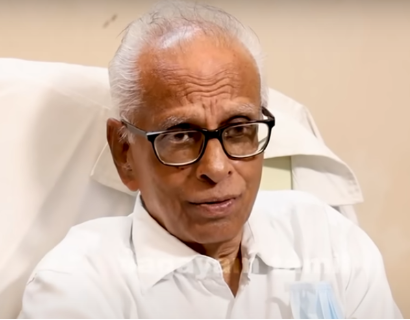

The Role of Social Media Platforms
Social media platforms such as YouTube, Facebook, Instagram, and Twitter have come under increasing scrutiny for their role in enabling the spread of hate speech, harassment, and misinformation. While these platforms have policies in place to deal with abusive content, enforcement is often inconsistent. In many cases, Chennai Police harmful content remains online for extended periods before any action is taken, if at all.
In response to growing criticism, platforms like YouTube have introduced more stringent guidelines for content creators. YouTube’s policies, for instance, prohibit content that contains hate speech, harassment, or the promotion of violence. However, as this case shows, offensive content can still slip through the cracks, highlighting the need for more proactive monitoring and enforcement.
Content creators also have a responsibility to adhere to community guidelines and ensure that their work does not promote harmful behavior. In the case of Kantharaj, Chennai Police the allegations made by Rohini suggest that his content violated basic standards of decency and respect for others, particularly women. As the investigation proceeds, it will be up to both the legal system and social media platforms to determine the appropriate response.
The Way Forward: Combating Online Abuse
The case against Kantharaj is part of a broader conversation about how to combat online abuse and harassment. As more and more people engage with digital media, the potential for harmful content to spread increases. Governments, tech companies, and civil society organizations all have a role to play in addressing this issue.
- Stricter Regulation: Governments can introduce or strengthen laws that deal with online harassment, hate speech, and defamation. In India, the IT Act and the IPC already have provisions to tackle these issues, but more can be done to ensure that offenders are held accountable.
- Content Moderation: Social media platforms must improve their content moderation processes to ensure that offensive or harmful content is swiftly removed. This may involve using a combination of automated tools and human moderators to review flagged content.
- Awareness Campaigns: Public awareness campaigns can help educate both content creators and audiences about the importance of gender sensitivity and respectful behavior online. These campaigns can also provide resources for individuals who experience online harassment.
- Support for Victims: Victims of online abuse, such as actor Rohini, should have access to support services, including legal assistance and counseling. Organizations that work on digital rights and gender equality can play a crucial role in offering support to those affected by online harassment.
Conclusion
The case against YouTuber Kantharaj following actor Rohini’s complaint highlights the urgent need to address online harassment and ensure greater accountability for content creators. While social media platforms offer unprecedented opportunities for expression and creativity, Chennai Police they must also be spaces where respect and decency are maintained. As this case unfolds, it will be closely watched as a test of how seriously the legal system and social media platforms take the issue of gender sensitivity and online harassment. ALSO READ:2024 Union Minister Ravneet Bittu Sparks Controversy by Calling Rahul Gandhi “Number One Terrorist” at Bhagalpur Event