


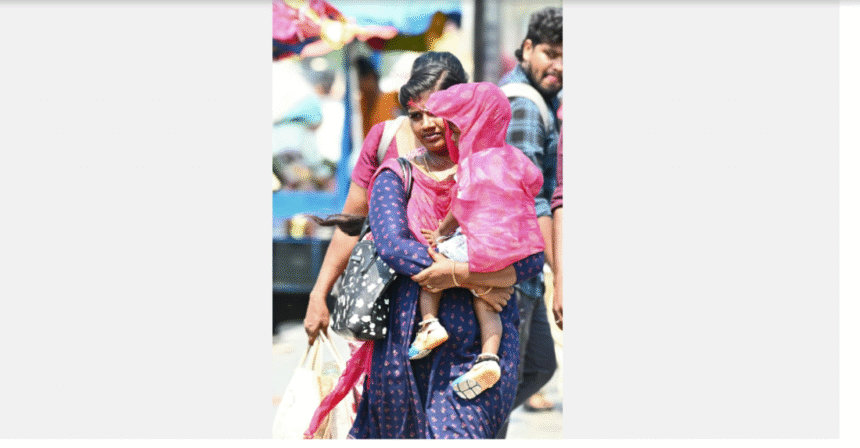
Turning Climate Warnings into Enforceable Policy Amid Rising Heatwaves
Introduction
From Advisory to Action India is no stranger to extreme heat, but in recent years, the frequency, intensity, and duration of heatwaves have surged dramatically. Cities and states have responded by introducing Heat Action Plans (HAPs)—guidelines aimed at reducing heat-related illness and deaths. However, most of these plans remain advisory in nature, lacking legal enforceability and consistent implementation.
As climate change accelerates, experts argue that India must transition from voluntary compliance to binding mandates. The question is no longer whether Heat Action Plans are necessary—it is how to make them effective, enforceable, and integrated into governance systems.
Understanding Heat Action Plans
What Are Heat Action Plans?
Heat Action Plans are structured frameworks designed to:
- Issue early warnings about heatwaves
- Coordinate responses among government agencies
- Protect vulnerable populations
- Reduce heat-related mortality and morbidity
The first widely recognized Heat Action Plan in India was introduced in Ahmedabad in 2013, From Advisory to Action following a devastating heatwave that claimed thousands of lives.
Key Components of HAPs
Typical Heat Action Plans include:
- Early Warning Systems: Alerts issued by meteorological departments
- Public Awareness Campaigns: Educating citizens on heat safety
- Healthcare Preparedness: Training medical staff and ensuring supplies
- Inter-Agency Coordination: Collaboration between departments
Despite their importance, these components often lack the force of law.
The Growing Threat of Heatwaves
Climate Change and Rising Temperatures
India is among the countries most vulnerable to extreme heat. According to global climate models, From Advisory to Action heatwaves are expected to become more frequent and severe due to rising greenhouse gas emissions.
Impact on Public Health
Heatwaves can lead to:
- Heatstroke and dehydration
- Exacerbation of existing illnesses
- Increased mortality rates
Urban populations, outdoor workers, and economically weaker sections are particularly at risk.
Economic Consequences
Extreme heat also affects:
- Productivity in sectors like agriculture and construction
- Energy demand and power supply
- Infrastructure and urban services
Why Advisory Plans Fall Short
Lack of Accountability
Advisory Heat Action Plans rely on voluntary compliance. Without legal backing:
- Agencies may not prioritize implementation
- Responsibilities remain अस्पष्ट (unclear)
- Monitoring and evaluation are weak
Inconsistent Implementation
Different states and cities implement HAPs unevenly. Some regions have robust systems, From Advisory to Action while others lack basic preparedness.
Resource Constraints
Without mandated budgets, funding for HAPs is often insufficient, limiting their effectiveness. 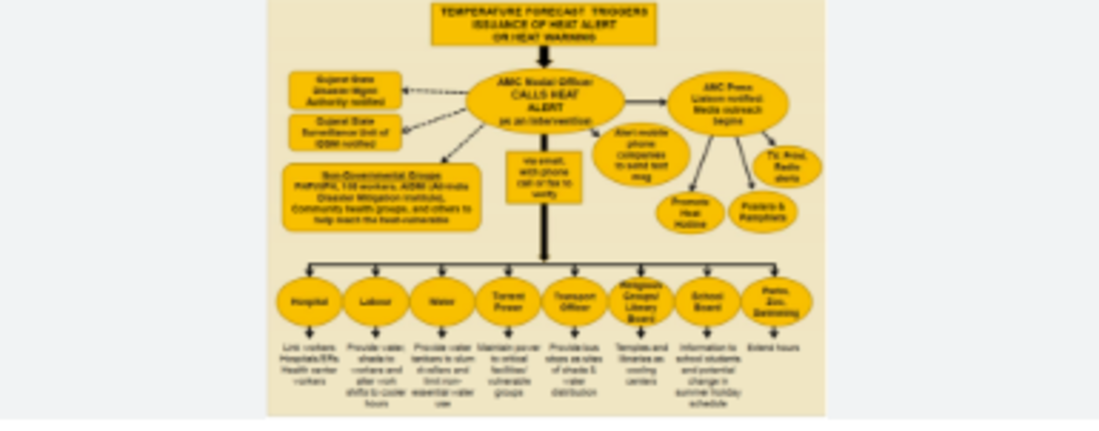

The Case for Legal Mandates
Ensuring Uniform Standards
Making Heat Action Plans legally binding would:
- Standardize responses across regions
- Ensure minimum levels of preparedness
- Reduce disparities in implementation
Strengthening Accountability
Legal mandates can:
- Assign clear responsibilities to agencies
- Enable penalties for non-compliance
- Improve transparency and reporting
Securing Funding
Mandates can ensure dedicated budgets for:
- Infrastructure upgrades
- Public awareness campaigns
- Emergency response systems
Lessons from Existing Frameworks
Disaster Management Laws
India’s National Disaster Management Authority (NDMA) provides a framework for disaster response. Heatwaves are recognized as disasters, but integration with HAPs remains limited.
International Examples
Countries like France and Australia have implemented legally binding heatwave response systems, From Advisory to Action offering valuable lessons for India.
Key Steps to Transition from Advisory to Mandate
1. Legal Recognition of Heatwaves
Heatwaves must be formally recognized as a critical public health emergency under national and state laws. This would elevate their priority in governance.
2. Integration with Urban Planning
Urban policies should incorporate heat mitigation strategies, such as:
- Green spaces and tree cover
- Cool roofs and reflective materials
- Heat-resilient infrastructure
3. Institutional Mechanisms
Dedicated bodies or task forces should be established to:
- Oversee implementation
- Coordinate between departments
- Monitor outcomes
4. Data and Technology Integration
Effective HAPs require:
- Real-time weather data
- Heat vulnerability mapping
- Use of technology for alerts and communication
5. Community Participation
Local communities must be involved in planning and implementation to ensure:
- Better awareness
- Grassroots-level action
- Inclusion of vulnerable groups
Role of State and Local Governments
Decentralized Implementation
While national guidelines are important, From Advisory to Action implementation must be tailored to local conditions. State and municipal governments play a crucial role in:
- Customizing Heat Action Plans
- Allocating resources
- Engaging with communities
Capacity Building
Training officials and workers is essential for effective response. This includes:
- Healthcare professionals
- Emergency responders
- Urban planners
Challenges in Making HAPs Mandatory
Legal and Bureaucratic Hurdles
Introducing new mandates requires:
- Legislative changes
- Coordination across multiple levels of government
- Overcoming bureaucratic inertia
Financial Constraints
Ensuring adequate funding for all regions, especially smaller towns and rural areas, From Advisory to Action remains a challenge.
Balancing Flexibility and Enforcement
While mandates ensure compliance, they must also allow flexibility to adapt to local conditions.
The Role of Public Awareness
Behavioral Change
Even the best policies are ineffective without public cooperation. Awareness campaigns should focus on:
- Hydration and health precautions
- Avoiding outdoor exposure during peak heat
- Recognizing symptoms of heat-related illnesses
Media and Communication
Effective communication strategies can amplify the impact of Heat Action Plans. 

Private Sector and Civil Society Involvement
Corporate Responsibility
Businesses can contribute by:
- Protecting workers from heat exposure
- Investing in heat-resilient infrastructure
- Supporting community initiatives
NGOs and Research Institutions
Civil society organizations play a key role in:
- Advocacy
- Data collection and research
- Community outreach
Future Outlook
Climate Resilience as a Priority
As climate risks intensify, From Advisory to Action Heat Action Plans must become a central component of India’s climate adaptation strategy.
Towards a National Framework
Experts advocate for a comprehensive national law that:
- Mandates Heat Action Plans
- Defines roles and responsibilities
- Ensures accountability and funding
Conclusion
The transition of Heat Action Plans from advisories to mandates is not just a policy shift—it is a necessity in the face of escalating climate threats. While India has made significant progress in developing these plans, their effectiveness remains limited without legal enforceability.
By integrating HAPs into legal frameworks, strengthening institutions, From Advisory to Action and ensuring adequate resources, India can build a robust system to protect its citizens from extreme heat. The journey from advisory to action requires political will, administrative efficiency, and collective effort. READ:-PM Modi Inaugurates 594-km Ganga Expressway: Transforming Connectivity from Meerut to Prayagraj 2026