


Introduction
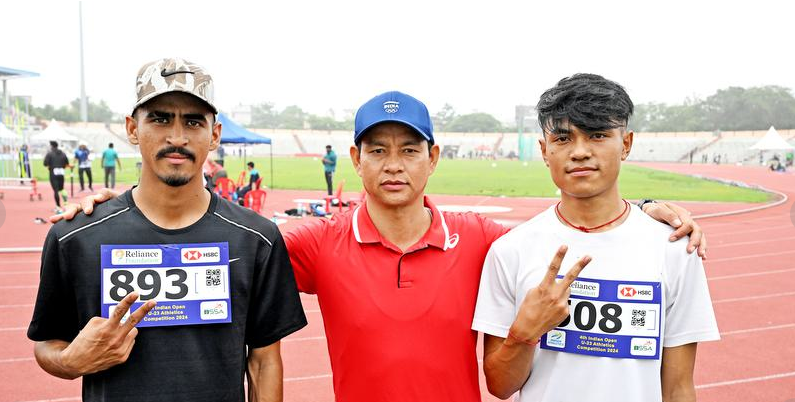
Rana Race walking, an often-overlooked discipline within athletics, is beginning to garner attention in India, thanks in large part to the dedicated efforts of coaches like Basant Rana. A former race walker himself, Rana has made a significant transition into coaching, where he now works with the country’s emerging talents in the sport. Recently seen with his trainees Sachin Bohra and Khangebam Pilot Singh at the National Open Under-23 Athletics Meet in Patna, Rana is optimistic about the future of race walking in India. His passion and belief in Indian talent, along with an unwavering commitment to bridge the gap with international competitors from countries like China and Japan, highlight his ambition and dedication.
This blog explores Rana’s insights, his vision for Indian race walking, the challenges faced by athletes in this sport, and how the support of the government, the Athletics Federation of India (AFI), and corporate entities can contribute to realizing this vision.
1. Race Walking: A Brief Overview
Race walking is a unique athletic event where competitors must walk without breaking into a run, with strict rules dictating that one foot must be in contact with the ground at all times. This technical sport demands not only physical endurance but also strict adherence to technique, making it one of the most challenging athletic events.
a. The Growth of Race Walking in India
In India, race walking has gained prominence in recent years, largely thanks to achievements by athletes like Gurmeet Singh, Khushbir Kaur, and Bhawna Jat, who have represented India on international platforms. However, the sport remains overshadowed by more popular athletic events, with limited infrastructure, training facilities, and resources available for athletes.
2. Basant Rana’s Journey from Athlete to Coach
Basant Rana’s journey in race walking has been a source of inspiration for many aspiring athletes. Having represented India himself, Rana understands the physical, mental, and financial challenges that race walkers face. This personal experience has equipped him with the empathy and insight needed to be an effective coach and mentor.
a. Rana’s Achievements and Experience
As a former competitor, Rana has not only mastered the discipline but also witnessed firsthand the demands of competing internationally. This experience allows him to guide his trainees effectively, imparting valuable knowledge about technique, endurance, and the mental resilience required for success. His transition into coaching was a natural progression, driven by his desire to elevate Indian race walking to new heights.
b. The Vision for Developing Indian Race Walking
Rana envisions a future where Indian race walkers are recognized as formidable contenders on the Asian and global stage. For him, the goal is not only to produce athletes who can qualify for international events but to ensure they are competitive enough to secure podium finishes. This ambition has led him to work tirelessly with his trainees, pushing them to excel while also advocating for better resources and support.
3. The Challenges of Competing in Asia
One of the biggest obstacles facing Indian race walkers is the dominance of athletes from countries like China and Japan. With strong race-walking traditions, these countries have invested heavily in training programs, sports science, and athlete development, making them tough competitors on the international stage.
a. The Technical Superiority of Asian Competitors
Chinese and Japanese athletes are known for their mastery of technique and impressive endurance. Years of high-quality training and access to advanced facilities have allowed these athletes to consistently perform at a high level. In comparison, Indian athletes have had limited exposure to such resources, putting them at a disadvantage in international competitions.
b. Bridging the Gap through Exposure and Competition
Rana believes that the gap can be bridged by ensuring that Indian athletes have access to quality competitions and training camps, both domestically and internationally. Competing regularly against strong athletes is crucial for building confidence and improving performance. By participating in such events, Indian race walkers can gain exposure to different techniques and strategies, thereby leveling the playing field.
4. Role of Government and AFI in Supporting Race Walking
The involvement of the government and the Athletics Federation of India (AFI) is critical to the growth of race walking. Recognizing this, Rana has been a vocal advocate for increased support for race walking, urging the government and AFI to invest in training programs, infrastructure, and international exposure for athletes.
a. Financial Support and Infrastructure Development
One of the main challenges faced by race walkers in India is the lack of financial support. Many athletes struggle to meet the expenses required for training, nutrition, and participation in events. Rana stresses that with adequate financial support, athletes can focus more on training without worrying about these constraints. Additionally, investing in infrastructure, such as specialized tracks and race-walking facilities, will provide athletes with the environment they need to develop their skills.
b. Initiatives by AFI for Race Walking
The AFI has recently shown increased interest in race walking, organizing events and training camps to foster talent. Rana’s hope is that these efforts will continue to expand, offering more opportunities for athletes at the grassroots level. Talent identification programs, workshops, and collaborations with international coaches could play a significant role in enhancing the skills of Indian race walkers.
5. The Role of Corporate Sponsorship in Elevating Race Walking
Beyond government support, corporate sponsorship is another area that can provide a substantial boost to race walking in India. Major corporations have increasingly supported various sports in India, contributing to athlete development and sports promotion.
a. Sponsorships for Training and Competitions
Sponsorships from corporates can alleviate the financial strain on athletes by covering costs related to training, equipment, and participation in international competitions. For instance, corporations could sponsor promising athletes, funding their travel and training expenses, thereby enabling them to focus solely on their athletic development.
b. Raising Awareness and Promoting Race Walking
Corporate sponsorship also plays a role in raising awareness about the sport. With backing from high-profile brands, race walking could gain more visibility, attracting young athletes and generating a fan base. Campaigns highlighting the achievements of race walkers and broadcasting events can create interest in the sport and inspire more individuals to take it up.
6. Training Regimens and Athlete Development
Coach Basant Rana has implemented rigorous training routines for his athletes, focusing on improving both technique and endurance. He emphasizes the importance of a disciplined approach, with training programs that are tailored to meet the specific needs of each athlete.
a. Balancing Physical Training with Mental Conditioning
In a sport as demanding as race walking, physical fitness is only part of the equation. Mental strength is equally important, as athletes must maintain focus and adhere to the technical requirements of the sport under competitive conditions. Rana incorporates mental conditioning exercises into his training regimen, preparing his athletes to handle the pressures of competition.
b. Emphasis on Technique and Strategy
Race walking has a set of strict rules that differentiate it from other forms of walking or running. Rana ensures his athletes are well-versed in technique, as even minor missteps can result in disqualification. He also emphasizes strategic pacing and energy conservation, helping athletes make the most of their endurance and finish strong in longer events.
7. Inspiring the Next Generation of Race Walkers
Rana’s goal extends beyond his current group of athletes. He hopes that his efforts will pave the way for the next generation of Indian race walkers. By nurturing young talent and creating awareness about the sport, he aims to establish a sustainable ecosystem for race walking in India.
a. Role Models and Mentorship Programs
Having role models like Rana in the sport can inspire young athletes to pursue race walking. Mentorship programs, where experienced athletes guide and motivate young trainees, could be instrumental in fostering a culture of excellence in race walking. Rana’s presence at events like the National Open Under-23 Athletics Meet is significant, as it provides a tangible example of success for aspiring race walkers.
b. Grassroots Programs to Identify and Train Talent
Expanding race walking at the grassroots level is essential for creating a pipeline of talented athletes. Rana envisions a program where young athletes are identified and trained from an early age, receiving the support needed to transition from amateur to elite levels. Such initiatives could be launched in collaboration with schools, sports academies, and local governments, promoting race walking in regions with athletic potential.
8. Conclusion: Building a Legacy in Indian Athletics
Coach Basant Rana’s optimism about the future of race walking in India is inspiring. His journey from athlete to coach reflects his unwavering commitment to the sport and his belief in India’s potential on the international stage. With consistent support from the government, AFI, and corporates, the vision of elevating Indian race walking can indeed be realized.
Race walking has the potential to become a celebrated discipline within Indian athletics, producing champions who can compete at the highest levels. By fostering talent, promoting participation, and improving infrastructure, India can become a formidable force in race walking, bringing pride to the nation and providing young athletes with a platform to excel. Coach Rana’s dedication is a step toward that goal, creating a lasting impact on the sport and inspiring future generations of Indian race walkers. ALSO READ:- Strengthening India’s Financial Backbone: FinMin Urges Banks to Prioritize Cybersecurity and Expand Lending to Agriculture & MSMEs 2024