


Fresh Row Erupts Over Postal Ballot Handling Amid High-Stakes Electoral Battle
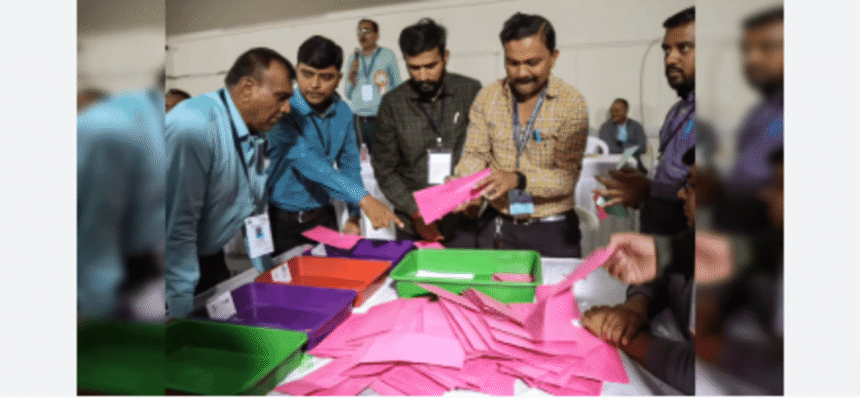
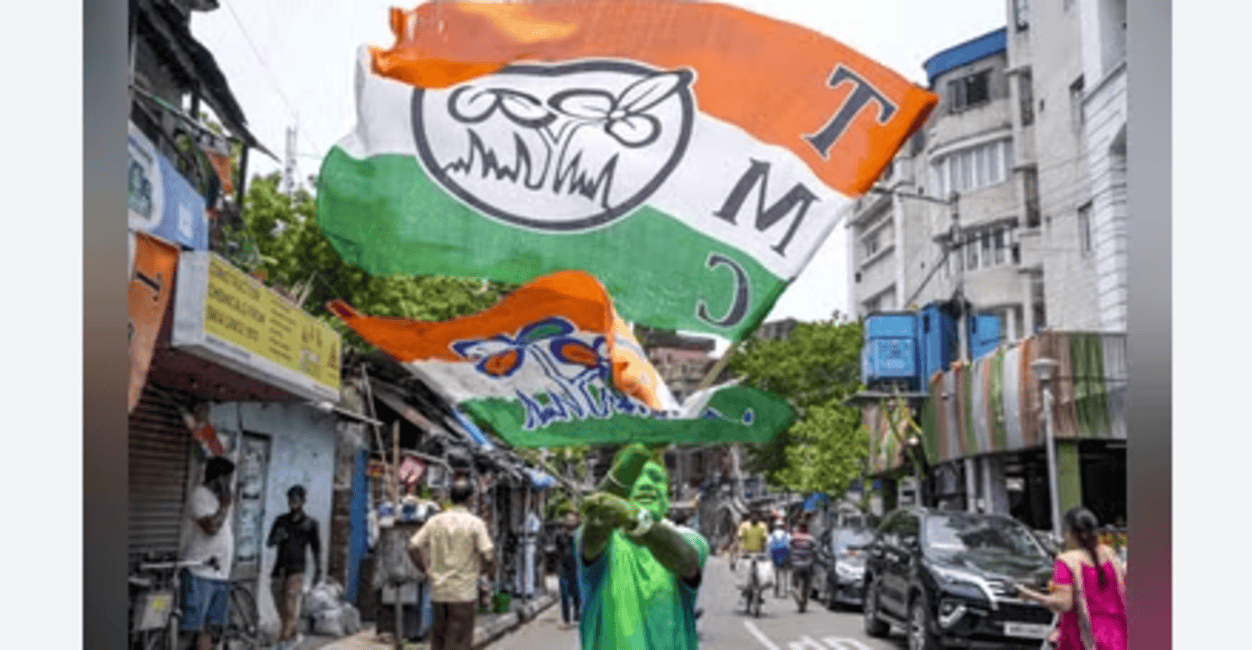
TMC Alleges Unauthorised Sorting in the midst of heightened political tensions surrounding the 2026 Assembly elections, the All India Trinamool Congress (TMC) has lodged a formal complaint with the Election Commission of India (ECI), alleging unauthorised sorting of postal ballot covers. The development has triggered a fresh controversy, raising concerns over electoral transparency and the sanctity of the voting process.
The complaint comes at a crucial juncture, just ahead of the counting of votes, when the handling of postal ballots becomes a sensitive and decisive aspect of the election process. TMC leaders have claimed that irregularities in the sorting of these ballots could potentially influence the outcome in closely contested constituencies.
What the TMC Has Alleged
According to the All India Trinamool Congress, there have been instances where postal ballot covers were allegedly sorted without proper authorisation and in violation of established guidelines. Party representatives have argued that:
- The sorting process was conducted prematurely
- Officials involved did not follow prescribed protocols
- Opposition representatives were not adequately informed or present
- The chain of custody of ballots may have been compromised
TMC leaders have termed the issue “serious and alarming,” emphasizing that even minor deviations from procedure could undermine the credibility of the electoral process. 
Understanding Postal Ballots in India
Postal ballots are an essential component of India’s electoral system, designed to ensure that certain categories of voters can exercise their franchise even if they cannot physically visit polling stations.
Who Uses Postal Ballots?
- Service voters (armed forces personnel)
- Government officials on election duty
- Senior citizens above a certain age
- Persons with disabilities
These ballots are typically sent via post and must be securely handled, stored, and counted in accordance with strict guidelines laid down by the Election Commission of India.
Why the Sorting Process Matters
The process of handling postal ballots involves several stages:
- Receipt of Ballots
- Verification of Voter Identity
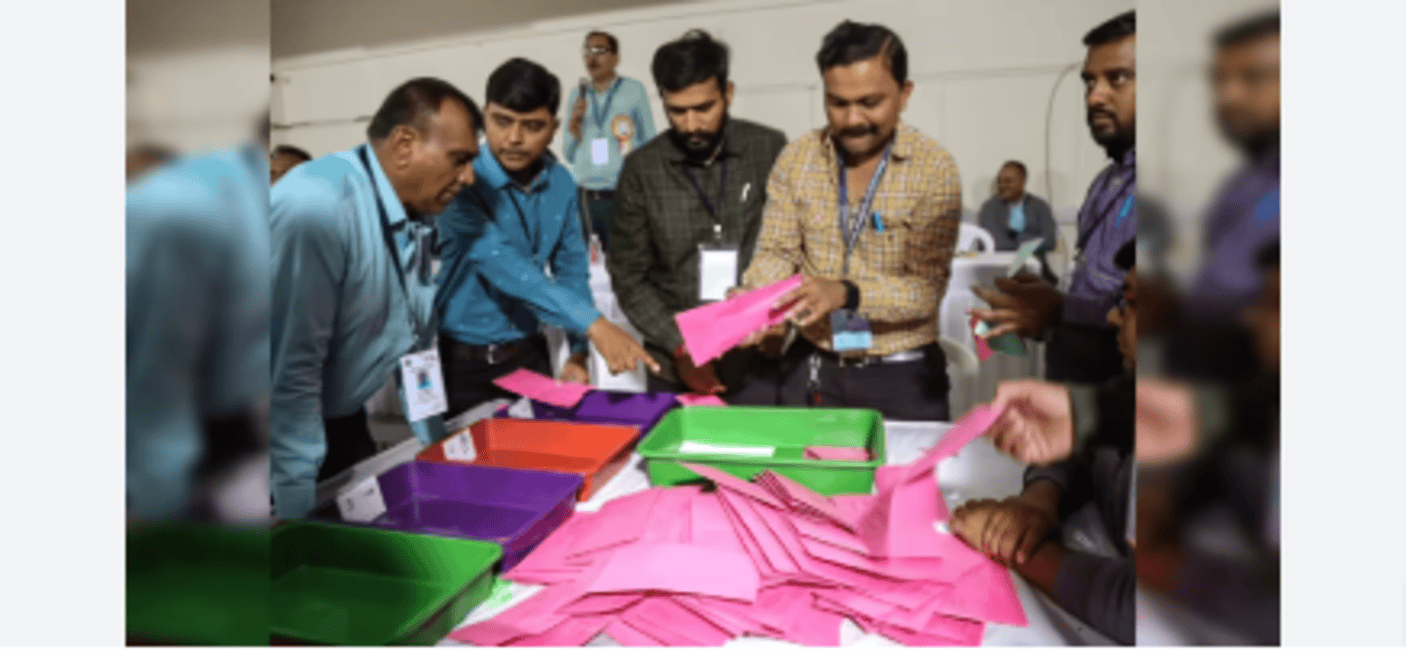
- Sorting of Ballot Covers
- Counting of Votes
Each stage is governed by detailed rules to prevent tampering or manipulation. The sorting of ballot covers, in particular, is a sensitive step because:
- It determines the order and categorization of ballots
- It must be done under strict supervision
- Any irregularity can raise doubts about the integrity of votes
TMC’s allegation specifically targets this stage, claiming that it was carried out improperly.
ECI’s Role and Response
The Election Commission of India is responsible for ensuring free and fair elections in the country. Upon receiving the complaint, the Commission is expected to:
- Seek reports from concerned election officials
- Examine CCTV footage, if available
- Verify compliance with standard operating procedures
- Take corrective action if violations are found
While the ECI has not yet issued a detailed public response, sources indicate that the matter is being taken seriously, given its potential implications.
Political Reactions: War of Words Intensifies
The complaint has triggered strong reactions across the political spectrum:
TMC’s Stand
TMC leaders have demanded immediate intervention by the ECI and have called for:
- Suspension of officials involved
- Re-verification of postal ballots
- Deployment of independent observers
They argue that transparency is crucial to maintaining public trust in the electoral process.
Opposition Parties’ Response
Other opposition parties have expressed concern, with some extending support to TMC’s demand for a thorough investigation.
Ruling Party’s Reaction
Leaders from rival parties have dismissed the allegations as politically motivated, TMC Alleges Unauthorised Sorting accusing the TMC of attempting to create confusion and preemptively question election results. 
Legal and Procedural Framework
The handling of postal ballots is governed by the Representation of the People Act and detailed guidelines issued by the Election Commission of India.
Key Safeguards Include:
- Presence of authorized personnel during sorting
- Mandatory record-keeping
- Transparency in procedures
- Opportunity for party agents to observe the process
Any deviation from these norms can be challenged legally and may lead to re-evaluation or even cancellation of affected votes in extreme cases.
Historical Context: Postal Ballot Controversies
This is not the first time that postal ballots have been at the center of electoral disputes in India. In previous elections:
- Allegations of delayed delivery have surfaced
- Questions have been raised about rejection rates
- Disputes have occurred over counting procedures
However, TMC Alleges Unauthorised Sorting cases involving alleged unauthorised sorting are relatively rare and are treated with utmost seriousness.
Importance in Close Contests
Postal ballots often play a निर्णायक (decisive) role in closely fought elections. In some constituencies:
- Victory margins are extremely narrow
- Postal ballots can swing the result
- Delays or irregularities can lead to disputes
This makes their handling a critical aspect of the overall electoral process.
The Role of Transparency and Technology
To enhance transparency, TMC Alleges Unauthorised Sorting the ECI has increasingly adopted technological measures:
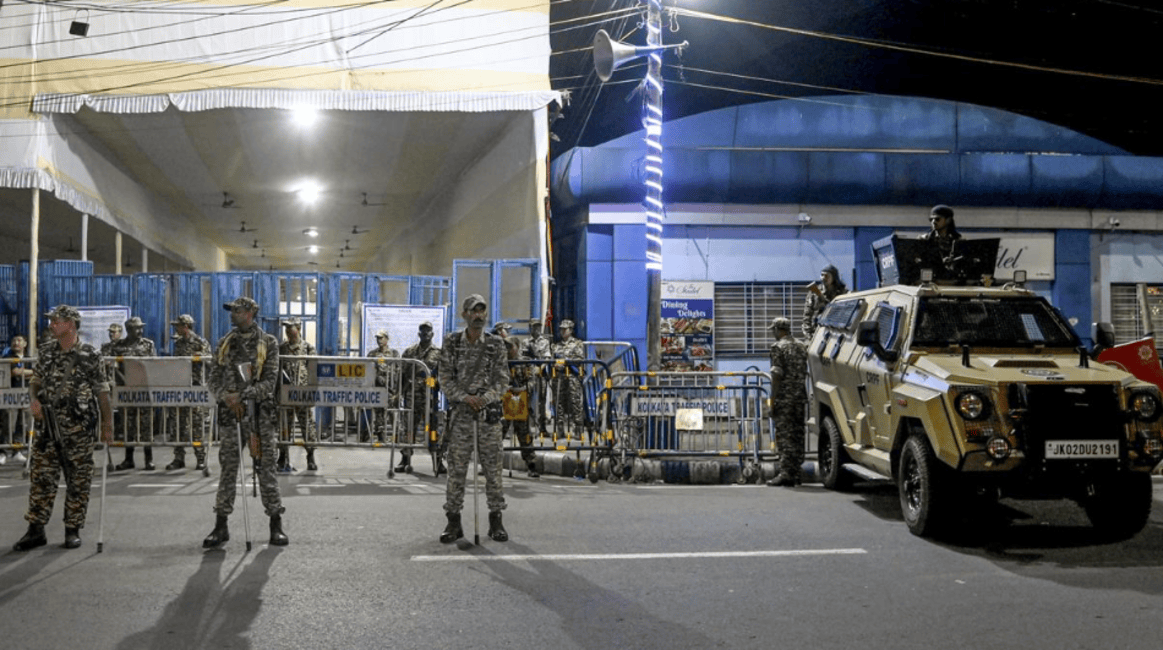
- CCTV monitoring of counting centers
- Digital tracking of ballot movement
- Use of standardized procedures
Despite these efforts, challenges remain, particularly in ensuring uniform implementation across regions.
Public Trust and Democratic Integrity
The controversy highlights a broader issue: the importance of public trust in democratic institutions. Elections are not just about outcomes but also about the credibility of the process.
Any allegation of irregularity, even if unproven, can:
- Erode voter confidence
- Fuel political tensions
- Impact the legitimacy of results
Therefore, timely and transparent resolution of such complaints is essential.
Expert Opinions: Need for Vigilance
Election experts emphasize that:
- Strict adherence to procedures is non-negotiable
- Independent monitoring can enhance credibility
- Training of election staff is crucial
They also suggest that political parties should cooperate in ensuring transparency rather than escalating tensions unnecessarily.
What Happens Next?
The immediate next steps in this case are likely to include:
- Inquiry by the Election Commission of India
- Submission of reports by local officials
- Possible on-ground inspections
- Decisions on corrective measures
Depending on the findings, TMC Alleges Unauthorised Sorting the ECI may issue directives or take disciplinary action. 
Broader Implications for the 2026 Elections
The outcome of this controversy could have wider implications:
For Political Parties
It may influence campaign narratives and voter perceptions.
For Election Administration
It could lead to stricter enforcement of guidelines and improved oversight.
For Voters
It may shape public confidence in the electoral process.
Conclusion: A Critical Test for Electoral Credibility
The complaint filed by the All India Trinamool Congress regarding alleged unauthorised sorting of postal ballot covers has added another layer of complexity to the already intense 2026 Assembly elections.
As the Election Commission of India begins its examination of the issue, TMC Alleges Unauthorised Sorting the focus will be on ensuring that due process is followed and that the integrity of the electoral system remains intact.
In a democracy as vast and diverse as India, maintaining trust in electoral institutions is paramount. Whether the allegations prove to be valid or not, the episode serves as a reminder of the need for constant vigilance, transparency, and accountability.
Ultimately, the strength of democracy lies not just in the act of voting but in the विश्वास (trust) that every vote is counted fairly and accurately. The coming days will be crucial in determining how this issue is resolved and what lessons it holds for the future of elections in India. ALSO READ:-Space Wrap: From Sriharikota to Leh, Preparations for India’s Gaganyaan Mission in Full Swing 2026