



1. Introduction: A Changing Electoral Landscape
Turnout Increases in Tamil Nadu Recent elections in Tamil Nadu have revealed a significant and intriguing trend—voter turnout is increasing, but not uniformly. Instead, it is following distinct spatial patterns across regions, districts, and urban-rural divides.
This shift has drawn the attention of political analysts, Turnout Increases in Tamil Nadu policymakers, and election authorities, as understanding these patterns can provide valuable insights into voter behavior, democratic participation, and future electoral outcomes.
2. Understanding Spatial Patterns in Voting
Spatial patterns refer to the geographical distribution of voter turnout across different areas.
In Tamil Nadu, this means analyzing:
- Regional variations (north vs south)
- Urban vs rural turnout
- Coastal vs inland districts
These patterns help identify which areas are witnessing higher engagement and which are lagging behind.
3. Overall Increase in Turnout: A Positive Sign
The overall rise in voter turnout in Tamil Nadu reflects a strengthening of democratic participation.
Key Indicators:
- Higher voter awareness
- Increased political mobilization
- Improved election management
This upward trend suggests that more citizens are recognizing the importance of their vote.
4. Urban vs Rural Divide: A Persistent Gap
One of the most prominent spatial patterns is the difference between urban and rural turnout.
Rural Areas:
- Higher voter participation
- Strong community mobilization
- Greater political engagement
Urban Areas:
- Lower turnout in comparison
- Busy lifestyles and migration factors
- Reduced voter enthusiasm
Bridging this gap remains a key challenge. 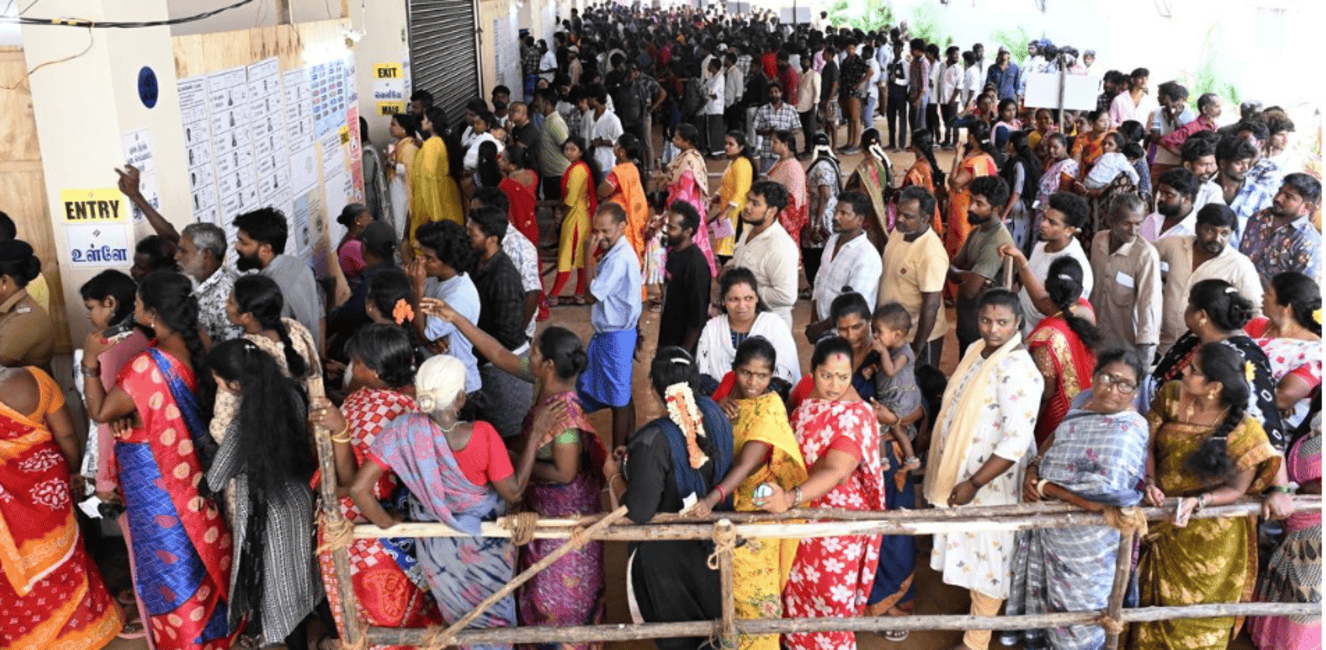 FORE MORE INFORMATION
5. Regional Variations: North vs South Tamil Nadu
Different regions within Tamil Nadu show varying turnout levels.
- Southern districts often report higher participation
- Northern and industrial regions show mixed trends
These variations are influenced by socio-economic factors, Turnout Increases in Tamil Nadu political competition, and local issues.
6. Coastal vs Inland Districts: A Distinct Trend
Coastal districts in Tamil Nadu often display unique voting patterns due to:
- Fishing community mobilization
- Environmental and livelihood concerns
Inland districts, on the other hand, Turnout Increases in Tamil Nadu are influenced more by:
- Agricultural issues
- Water resource management
These differences contribute to spatial variations in turnout.
7. Role of Political Parties: Mobilization Strategies
Political parties play a crucial role in shaping turnout patterns.
Major parties like:
- Dravida Munnetra Kazhagam (DMK)
- All India Anna Dravida Munnetra Kazhagam (AIADMK)
have strong grassroots networks that influence voter participation.
Targeted campaigning and local engagement often lead to higher turnout in specific regions.
8. Socio-Economic Factors: Influencing Participation
Several socio-economic factors affect voter turnout:
- Literacy levels
- Income distribution
- Access to information
Areas with higher awareness and better infrastructure tend to see increased participation.
9. Gender Dynamics: Women Leading the Way
Tamil Nadu has witnessed a significant rise in female voter turnout.
Key Trends:
- Women outnumbering men in some constituencies
- Increased political awareness among women
- Effective welfare schemes targeting women
This trend is reshaping the electoral landscape.
10. Youth Participation: A Growing Force
The youth demographic is playing an increasingly important role.
- First-time voters are more engaged
- Social media influences political awareness
- Youth-centric issues drive participation
Their involvement contributes to rising turnout in urban and semi-urban areas.
11. Election Commission Initiatives: Boosting Turnout
The Election Commission of India has implemented several measures to increase voter participation:
- Awareness campaigns
- Improved polling infrastructure
- Simplified registration processes
These initiatives have had a positive impact on turnout.
12. Technology and Digital Influence
Technology has transformed the way voters engage with elections,Turnout Increases in Tamil Nadu.
- Online voter registration
- Social media campaigns
- Digital awareness drives
These tools have made it easier for people to participate in the democratic process.
13. Migration and Urban Challenges
Urban areas face unique challenges due to migration:
- Temporary residents not registered as voters
- Lack of local connection
- Logistical difficulties
Addressing these issues is crucial for improving urban turnout,Turnout Increases in Tamil Nadu
14. Implications for Political Strategy
Understanding spatial patterns allows political parties to:
- Focus resources on low-turnout areas
- Tailor campaigns to regional issues
- Strengthen voter outreach
This data-driven approach is becoming increasingly important in modern elections Turnout Increases in Tamil Nadu. 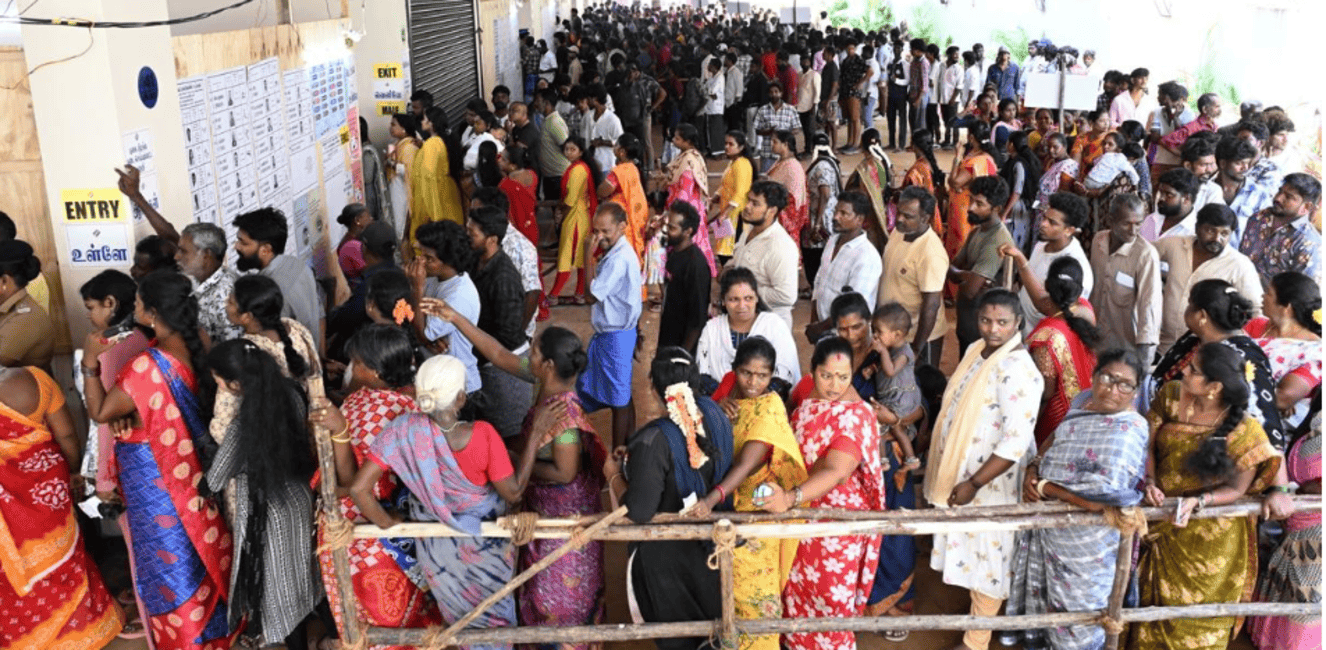 FORE MORE INFORMATION
15. Future Outlook: Sustaining the Momentum
The challenge now is to sustain and further increase voter turnout.
Key Focus Areas:
- Enhancing urban participation
- Encouraging youth engagement
- Strengthening awareness campaigns
Continued efforts are needed to ensure inclusive participation.
16. Conclusion: A Dynamic Electoral Landscape
The increase in voter turnout in Tamil Nadu, Turnout Increases in Tamil Nadu coupled with distinct spatial patterns, reflects a dynamic and evolving electoral landscape.
While the overall trend is positive, Turnout Increases in Tamil Nadu the variations across regions highlight the need for targeted interventions. By addressing these disparities, Tamil Nadu can set an example of inclusive and robust democratic participation.
17. Key Highlights (Quick Summary)
- Voter turnout in Tamil Nadu is increasing
- Clear spatial patterns observed across regions
- Rural areas show higher participation than urban areas
- Women and youth are driving turnout growth
- Political strategies are evolving based on data ALSO READ:-AAP Stares at a Weakened Road to 2027 Punjab Assembly Election 2026