





ISRO Accelerates Human Spaceflight Readiness Across Diverse Terrains
Introduction
Space Wrap India’s ambitious human spaceflight programme, the Gaganyaan mission, is steadily moving closer to reality. Spearheaded by the Indian Space Research Organisation (ISRO), the mission aims to send Indian astronauts—known as Gagannauts—into low-Earth orbit, marking a historic milestone in the country’s space journey.
From the coastal launch complex at Satish Dhawan Space Centre to the high-altitude terrains of Leh, preparations are unfolding at multiple locations across India. These efforts reflect the complexity of human spaceflight, which requires meticulous planning, rigorous testing, and seamless coordination.
Gaganyaan Mission: A Brief Overview
The Gaganyaan mission represents India’s first attempt to send humans into space aboard an indigenously developed spacecraft. The mission’s objectives include:
- Demonstrating human spaceflight capability
- Ensuring crew safety during launch, orbit, and re-entry
- Establishing foundational technologies for future missions
The mission will place a crew of astronauts in low-Earth orbit for a few days before safely returning them to Earth.
Sriharikota: The Launchpad of India’s Space Dreams
Preparations at the Satish Dhawan Space Centre
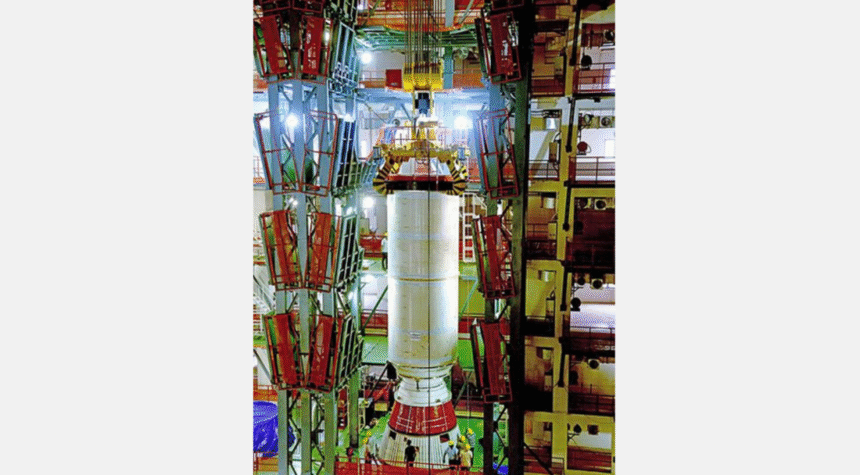
The Satish Dhawan Space Centre serves as the primary launch site for the Gaganyaan mission. Located on India’s eastern coast, the facility has undergone significant upgrades to support human spaceflight.
Key Developments
- Human-Rated Launch Vehicle: The LVM3 rocket is being modified to meet stringent safety standards required for carrying astronauts.
- Launch Infrastructure: New facilities and systems have been installed to ensure crew safety and mission reliability.
- Abort Systems: Critical escape mechanisms are being tested to protect astronauts in case of emergencies.
Crew Escape System Tests
One of the most crucial aspects of the mission is the crew escape system, designed to quickly separate the crew module from the launch vehicle during a failure. ISRO has successfully conducted several tests, demonstrating its readiness.
Leh: Training in Extreme Conditions
Why Leh Matters
The high-altitude region of Leh plays a vital role in preparing astronauts for the harsh conditions of space. With its low oxygen levels and extreme climate, Leh provides an ideal environment for endurance training.
Astronaut Training Modules
Gagannauts undergo rigorous training in Leh, including:
- High-Altitude Adaptation: Preparing the body for low-oxygen environments
- Survival Training: Learning to cope with extreme weather conditions
- Physical Conditioning: Building stamina and resilience
This training ensures that astronauts are equipped to handle the physiological challenges of space travel. 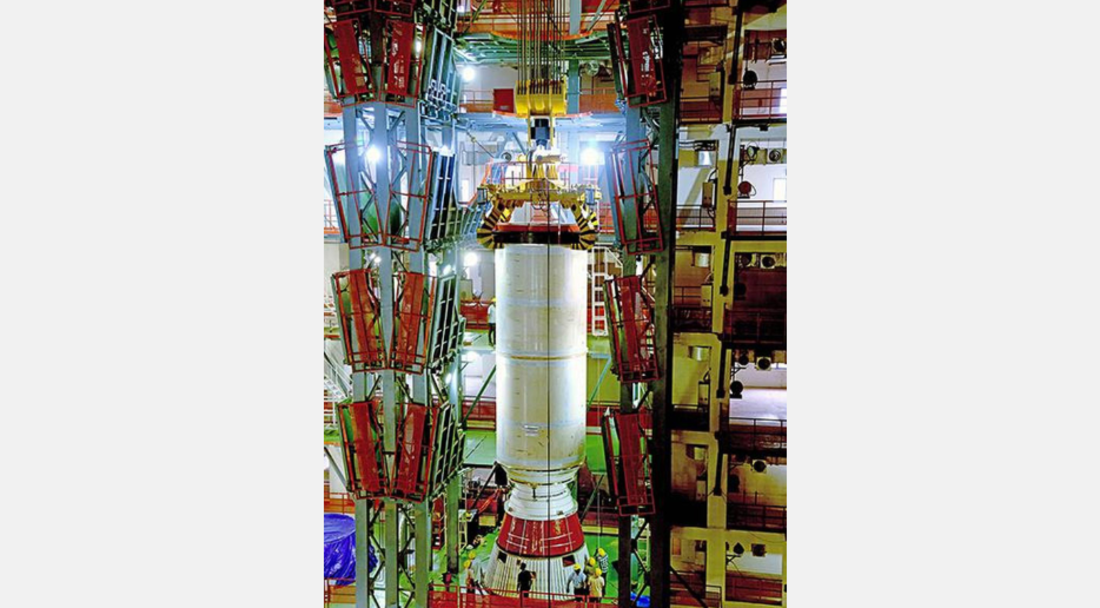 FORE MORE INFORMATION
Astronaut Training and Selection
Who Are the Gagannauts?
The selected astronauts, primarily from the Indian Air Force, Space Wrap have undergone extensive training both in India and abroad. Their preparation includes:
- Classroom instruction on space systems
- Simulator training for spacecraft operations
- Physical and psychological conditioning
International Collaboration
ISRO has collaborated with international partners for astronaut training, Space Wrap including exposure to advanced facilities and expertise.
Technology and Engineering Challenges
Human-Rating the Launch Vehicle
Transforming a rocket designed for satellites into one capable of carrying humans involves:
- Enhancing reliability and redundancy
- Reducing vibration and noise levels
- Ensuring precise control during flight
Crew Module Development
The crew module is the heart of the mission, designed to:
- Sustain life in space
- Protect astronauts during re-entry
- Ensure safe landing
Environmental Control and Life Support System
A critical component, this system maintains:
- Oxygen supply
- Temperature and humidity
- Removal of carbon dioxide
Testing and Validation
Uncrewed Missions
Before sending humans, ISRO plans multiple uncrewed test flights to validate:
- Launch vehicle performance
- Crew module functionality
- Re-entry and recovery systems
Parachute and Recovery Systems
Safe return to Earth is a key priority. The mission includes:
- Multi-stage parachute deployment
- Splashdown in designated recovery zones
- Coordination with naval forces for retrieval
Role of Indian Industry
Public-Private Collaboration
The Gaganyaan mission involves significant participation from Indian industries, Space Wrap including:
- Manufacturing of components
- Development of advanced technologies
- Support for testing and integration
This collaboration strengthens India’s space ecosystem and promotes innovation.
Scientific and Strategic Significance
Advancing Space Science
The mission will enable:
- Microgravity experiments
- Biological and material science research
- Development of new technologies
Boosting National Prestige
Joining the elite group of nations capable of human spaceflight will enhance India’s global standing and inspire future generations.
Challenges Ahead
Technical Hurdles
Human spaceflight is inherently complex, with challenges such as:
- Ensuring crew safety
- Managing mission risks
- Achieving precise execution
Timeline Pressures
While significant progress has been made, maintaining timelines remains a challenge due to the rigorous testing required.
Public Engagement and Inspiration
Inspiring the Next Generation
The Gaganyaan mission has captured the imagination of millions of Indians. Educational initiatives and outreach programmes aim to:
- Promote interest in science and technology
- Encourage young minds to pursue careers in space research
Media and Public Interest
Regular updates and transparency have kept the public engaged, Space Wrapbuilding anticipation for the historic launch.  FORE MORE INFORMATION
Future Prospects
Beyond Gaganyaan
The mission is just the beginning of India’s human spaceflight journey. Space Wrap Future plans may include:
- Longer-duration missions
- Space station development
- Deep space exploration
Global Collaboration
India is also exploring opportunities for international cooperation in space exploration.
Conclusion
From the launch complexes of Satish Dhawan Space Centre to the rugged terrains of Leh, the preparations for the Gaganyaan mission reflect the scale, ambition, and determination of India’s space programme. Under the leadership of the Indian Space Research Organisation, the country is on the brink of achieving a historic milestone.
As engineers, scientists, and astronauts work tirelessly to overcome challenges, Space Wrap the Gaganyaan mission stands as a symbol of India’s technological prowess and visionary spirit. When the mission finally takes flight, it will not only mark a new chapter in India’s space journey but also inspire generations to dream beyond the skies. ALSO READ:-PM Modi Inaugurates 594-km Ganga Expressway: Transforming Connectivity from Meerut to Prayagraj 2026