





Tragic Collision in Nigeria In a heart-wrenching incident that has shocked Nigeria, a catastrophic collision between a fuel tanker and a truck has resulted in the deaths of 48 individuals. The accident, which occurred on one of Nigeria’s major highways, has prompted extensive search and rescue operations as authorities scramble to address the aftermath of this devastating event. This article explores the details of the collision, the ongoing rescue efforts, and the broader implications of such tragic events in Nigeria.
The Collision: A Detailed Account
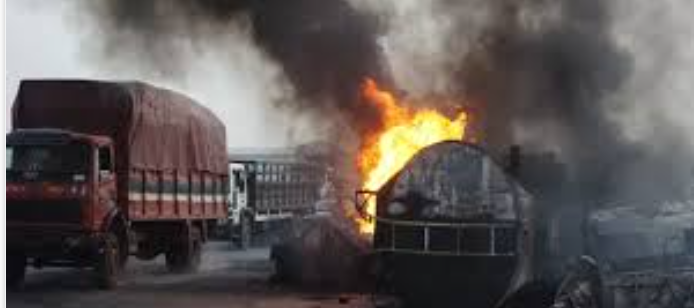
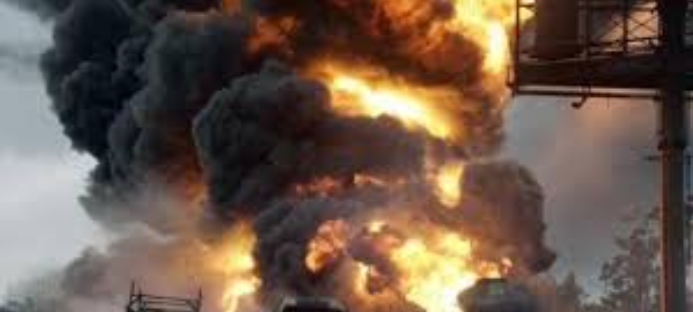
The fatal accident occurred on the [specific highway or location if available] at approximately [time], when a fuel tanker, heavily laden with gasoline, collided with a large truck. The impact of the collision was so severe that both vehicles were engulfed in a massive explosion, causing a fiery blaze that further complicated rescue operations.
Initial reports indicate that the truck was traveling in the opposite direction when it collided with the fuel tanker, which was moving at high speed. The force of the impact caused both vehicles to burst into flames, with debris scattered across the highway. The explosion was reportedly heard from miles away, and the fire continued to burn for several hours, complicating efforts to reach survivors.
Tragic Collision in Nigeria Search and Rescue Operations
Following the accident, emergency services and rescue teams were quickly mobilized to the scene. The scale of the disaster posed significant challenges for the search and rescue operations:
- Emergency Response Teams: Firefighters, paramedics, and police officers were dispatched to the scene to control the fire and begin search and rescue efforts. The intense heat from the flames made it difficult to approach the wreckage, requiring specialized equipment and techniques to manage the situation.
- Medical Assistance: Hospitals in the nearby areas were put on high alert to receive casualties and provide medical treatment to the injured. Surgeons and medical personnel worked around the clock to treat burns, fractures, and other injuries sustained in the accident.
- Clearing the Debris: Heavy machinery was employed to clear the wreckage and debris from the highway. This process was crucial for allowing emergency vehicles to access the site and for resuming normal traffic flow.
- Identification of Victims: Efforts were underway to identify the victims, many of whom were unfortunately charred beyond recognition. Authorities have been working with forensic teams to match remains with missing persons reports and notify the families of the deceased.
 for more information click on this link
Tragic Collision in Nigeria Impact on the Community
The collision has had a profound impact on the local community and the nation as a whole:
- Loss of Life: The death toll of 48 individuals is a tragic loss for the families and communities affected. Many of the victims were reported to be commuters traveling between cities, adding a personal and communal dimension to the tragedy.
- Disruption of Traffic: The accident caused significant disruption to traffic on the highway, leading to lengthy delays and diversions. The road was closed for several hours while emergency services conducted their work, affecting daily commutes and transportation of goods.
- Economic Impact: The collision has also had economic repercussions, particularly for local businesses and transport operators. The damage to the vehicles and the prolonged closure of the highway have disrupted supply chains and caused financial losses.
- Emotional and Psychological Toll: The shock and trauma experienced by survivors, first responders, and the families of the victims are significant. Counseling and psychological support services have been mobilized to assist those affected by the disaster.
Tragic Collision in Nigeria Broader Implications
The tragic accident raises several important issues that need to be addressed:
- Road Safety: The collision highlights ongoing concerns about road safety in Nigeria. The country has faced numerous accidents involving heavy vehicles and fuel tankers, emphasizing the need for stricter regulations and enforcement to prevent such tragedies.
- Infrastructure Challenges: The condition of Nigeria’s road infrastructure is often cited as a factor contributing to accidents. Poorly maintained roads and inadequate safety measures can exacerbate the risk of collisions and other incidents.
- Emergency Response Preparedness: The scale of the accident underscores the importance of having well-coordinated emergency response plans in place. Adequate training, resources, and communication channels are essential for effectively managing large-scale accidents and minimizing their impact.
- Regulatory Oversight: The incident calls for a review of regulations governing the transportation of hazardous materials. Ensuring that fuel tankers and other vehicles meet safety standards and are operated by trained personnel is crucial for reducing the risk of similar accidents.
 for more information click on this link
Tragic Collision in Nigeria Community and Government Response
In the wake of the disaster, various responses have emerged from both the community and government:
- Community Support: Local communities have rallied to support the victims’ families, with fundraisers and donation drives organized to assist those affected by the tragedy. Community leaders and organizations have played a crucial role in providing aid and comfort.
- Tragic Collision in Nigeria Government Action: Nigerian authorities have pledged to conduct a thorough investigation into the accident and review safety protocols. There have been calls for improved road safety measures and increased oversight of transport operations.
- International Aid: In light of the scale of the tragedy, there has been international outreach offering support and assistance. Organizations and countries have expressed their condolences and offered resources to aid in the recovery and relief efforts.
Conclusion
The collision between the fuel tanker and truck in Nigeria represents a devastating event with far-reaching consequences. The loss of 48 lives is a tragic reminder of the urgent need for improved road safety, infrastructure, and emergency response measures. As search and rescue operations continue and the community comes to terms with the impact of the disaster, it is crucial for all stakeholders to work together to address the underlying issues and prevent future tragedies. The incident serves as a sobering call to action for enhancing safety and preparedness to protect lives and mitigate the risks associated with road transport. ALSO READ:- Odisha Braces for Heavy Rain as Depression Forms in Bay of Bengal: Preparing for the Impact 2024