





170 Lives Lost Nepal, a country renowned for its stunning landscapes and rich cultural heritage, is facing one of its most tragic natural disasters in recent history. With heavy rains leading to catastrophic floods and landslides, the nation has seen a heartbreaking loss of life, with at least 170170 Lives Lost confirmed fatalities. This disaster not only highlights the vulnerability of the region to natural calamities but also raises urgent questions about disaster preparedness, climate change,170 Lives Lost and the resilience of communities in the face of such overwhelming challenges.
Background: The Geography of Vulnerability
Nepal is situated in a region known for its dramatic topography, featuring steep mountains, lush valleys, and swift-flowing rivers. This geography, while beautiful, makes the country particularly susceptible to natural disasters, including floods, landslides, and earthquakes. The monsoon season, 170 Lives Lost which typically lasts from June to September, brings heavy rainfall that can lead to sudden and severe flooding, particularly in the Terai region and hilly areas.
The Himalayas, which contain some of the highest peaks in the world, also play a significant role in the country’s climate and hydrology. The melting of glaciers due to climate change has led to increased water flow in rivers, further exacerbating the risk of flooding. Additionally, 170 Lives Lost deforestation and unregulated land use have weakened the natural barriers that once helped control soil erosion and water runoff, making landslides more likely.
The Recent Catastrophe: Timeline of Events
The recent floods and landslides in Nepal began with an intense monsoon downpour that started in early September. The rains were relentless, causing rivers to swell and overflow their banks. In many areas, 170 Lives Lost the water rose rapidly, catching residents off guard and leaving them with little time to evacuate.
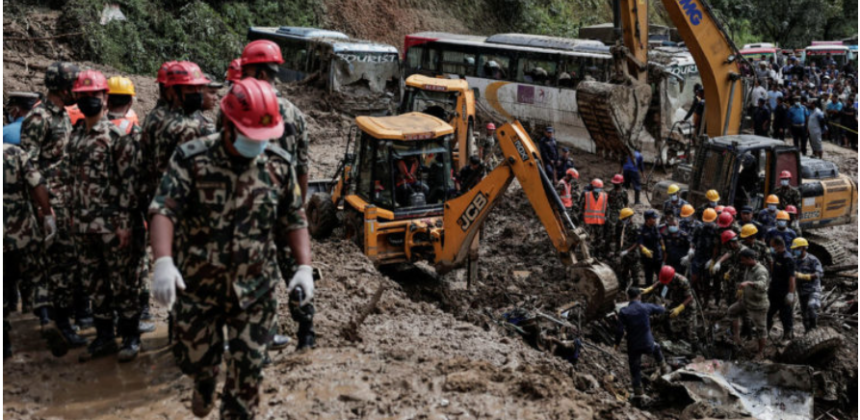
As the rains continued, the situation worsened. Landslides became increasingly common, burying homes, roads, and entire communities under tons of mud and debris. 170 Lives Lost The hardest-hit areas included Sindhupalchowk, Dolakha, and Makwanpur districts, where entire villages were swept away.
Rescue efforts began almost immediately, with local authorities, the Nepal Army,170 Lives Lost and volunteers working tirelessly to reach those stranded by the floods. However, the sheer scale of the disaster made these efforts extremely challenging. Flooded roads and landslides blocked access to many remote areas, 170 Lives Lost and the risk of further landslides made search and rescue operations perilous. 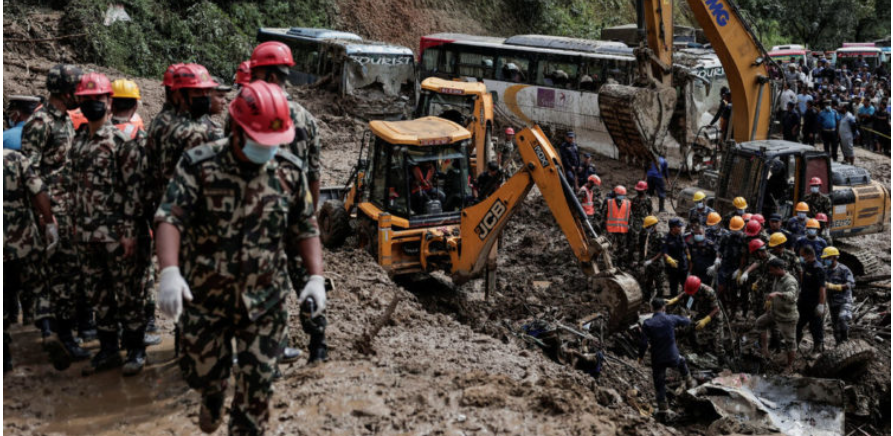 for more information click on this link
Humanitarian Impact: Lives Lost and Communities Displaced
The loss of life in this disaster is staggering, with 170 confirmed fatalities and many more missing. The impact on families and communities is profound, as many people have lost loved ones, homes, and their livelihoods. The grief and trauma resulting from such a catastrophic event can have lasting effects on mental health, particularly in close-knit communities where everyone is connected.
In addition to the immediate loss of life, the floods and landslides have displaced thousands of individuals and families. Many have been forced to evacuate their homes and seek refuge in temporary shelters, which often lack basic necessities such as clean water, food, and medical care. The disruption to daily life is significant, 170 Lives Lost with schools, businesses, and infrastructure damaged or destroyed.
The psychological toll of such disasters cannot be understated. Survivors grapple with the trauma of losing loved ones and the uncertainty of what the future holds. Children, 170 Lives Lost in particular, may face long-term emotional and developmental challenges as they cope with the loss and disruption caused by the floods.
Government Response and International Aid
In the wake of the disaster, the Nepalese government declared a state of emergency in the affected areas. Rescue and relief operations were initiated, with government agencies coordinating efforts to provide assistance to those in need. The Nepal Army and local authorities deployed personnel to assist with search and rescue missions, while humanitarian organizations mobilized resources to provide food, shelter,170 Lives Lost and medical care to affected communities.
International aid has also played a crucial role in the response to the disaster. Various non-governmental organizations (NGOs), international agencies, and foreign governments have pledged support and assistance to help those impacted by the floods. The United Nations, for example, has provided logistical support and coordination for relief efforts, working closely with local organizations to assess needs and deliver aid.
Despite these efforts, challenges remain. The scale of the disaster has overwhelmed local resources, and the risk of further flooding and landslides continues to pose a threat to recovery efforts. Humanitarian agencies are working tirelessly to address the immediate needs of those affected while also planning for long-term recovery and rebuilding efforts.
Climate Change: A Growing Concern
The recent floods and landslides in Nepal serve as a stark reminder of the growing impact of climate change on vulnerable regions. As global temperatures rise, extreme weather events are becoming more frequent and severe. In Nepal, the changing climate is contributing to erratic monsoon patterns, 170 Lives Lost increased rainfall, and the accelerated melting of glaciers.
The impact of climate change is not just limited to natural disasters; it also threatens livelihoods, food security, and overall community resilience. Farmers in Nepal, who rely on predictable weather patterns for their crops, are particularly vulnerable to the effects of climate change. The disruption caused by flooding can lead to crop170 Lives Lost , exacerbating food insecurity and economic hardship.
Addressing climate change and its impacts requires a multifaceted approach that includes mitigation efforts, adaptation strategies, and community engagement. Investing in sustainable practices, reforestation, and disaster preparedness can help communities better withstand the challenges posed by a changing climate. 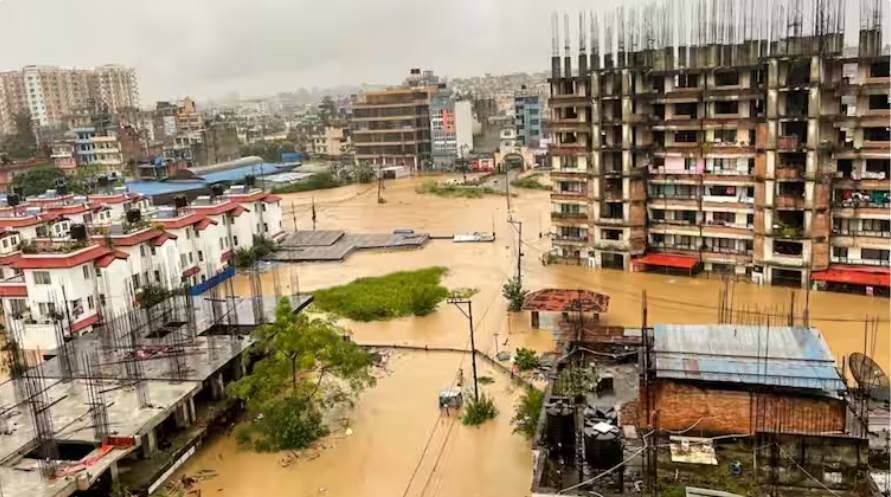 for more information click on this link
Lessons Learned: Building Resilience
In the aftermath of the floods and landslides, there is an opportunity to reflect on the lessons learned and to strengthen resilience in the face of future disasters. Enhancing disaster preparedness and response systems is crucial for minimizing loss of life and property in future events.
- Strengthening Infrastructure: Investments in resilient infrastructure, such as improved drainage systems, flood barriers, and better road networks, can help mitigate the impacts of flooding and landslides. Urban planning that takes into account the risk of natural disasters is essential for safeguarding communities.
- Community Engagement: Engaging local communities in disaster preparedness and response initiatives can enhance resilience. Communities that are involved in planning and decision-making are better equipped to respond to emergencies and support one another during crises.
- Education and Awareness: Public education campaigns can raise awareness about the risks of floods and landslides, 170 Lives Lost as well as the importance of emergency preparedness. Teaching communities how to respond during disasters can save lives and reduce panic.
- Monitoring and Early Warning Systems: Developing and implementing early warning systems can provide timely information about impending disasters, allowing communities to evacuate and prepare in advance. Monitoring weather patterns and river levels is crucial for effective response planning.
- Climate Adaptation Strategies: As climate change continues to pose challenges, adapting to its impacts is essential. This includes diversifying agricultural practices, i170 Lives Lost nvesting in sustainable land use, and promoting resilience in vulnerable communities.
Conclusion: A Call for Solidarity and Support
The devastating floods and landslides in Nepal have resulted in a profound loss of life and have left communities reeling from the impact of the disaster. As the nation comes to terms with the tragedy, 170 Lives Lost it is essential for both national and international communities to stand in solidarity with those affected.
Support for immediate relief efforts, as well as long-term recovery and rebuilding, is crucial for helping communities heal and rebuild their lives. The resilience of the Nepalese people is commendable, but it is imperative that they receive the necessary resources and assistance to recover from this disaster.
As we reflect on the lessons learned from this tragedy, let us commit to building a more resilient future for Nepal, one that prioritizes disaster preparedness, climate adaptation, and the well-being of its citizens. In the face of adversity, the strength and solidarity of communities can be a powerful force for recovery and renewal. ALSO READ:- Separatists Kill Seven Laborers in Pakistan’s Restive Balochistan: A Deepening Crisis 2024
1win site http://1win12.com.ng/ .
1win футбол http://familyclub.borda.ru/?1-6-0-00002163-000-0-0-1743051813 .
1wi. https://www.familyclub.borda.ru/?1-6-0-00002163-000-0-0-1743051813 .
1 vin 1 vin .
most bet https://www.mostbet6006.ru .
скачать mostbet https://www.mostbet6006.ru .
1.вин https://familyclub.borda.ru/?1-6-0-00002163-000-0-0-1743051813 .
motbet http://mostbet6006.ru .
казино онлайн kg http://www.mostbet6006.ru .
1win live http://1win6001.ru/ .
1вин. http://www.familyclub.borda.ru/?1-6-0-00002163-000-0-0-1743051813 .
1вин сайт официальный http://1win6049.ru .
1 win официальный сайт https://1win6049.ru .
1win регистрация https://alfatraders.borda.ru/?1-0-0-00004932-000-0-0-1743258210/ .
1win вход на сайт 1win вход на сайт .
1win вход на сайт http://balashiha.myqip.ru/?1-12-0-00000437-000-0-0-1743258848 .
1вин официальный сайт мобильная 1win6049.ru .
1vin pro https://www.balashiha.myqip.ru/?1-12-0-00000437-000-0-0-1743258848 .
партнёрка 1win http://www.balashiha.myqip.ru/?1-12-0-00000437-000-0-0-1743258848 .
1 win pro https://1win6049.ru/ .
1win. pro https://alfatraders.borda.ru/?1-0-0-00004932-000-0-0-1743258210/ .
1 win https://www.alfatraders.borda.ru/?1-0-0-00004932-000-0-0-1743258210 .
1 win 1 win .
1win партнерская программа вход 1win партнерская программа вход .
1win kg скачать 1win kg скачать .
мостбет войти http://www.svstrazh.forum24.ru/?1-18-0-00000136-000-0-0-1743260517 .
служба поддержки мостбет номер телефона svstrazh.forum24.ru/?1-18-0-00000136-000-0-0-1743260517 .
1winn https://obovsem.myqip.ru/?1-9-0-00000059-000-0-0-1743051936 .
мостбет зеркало https://svstrazh.forum24.ru/?1-18-0-00000136-000-0-0-1743260517 .
mostber mostber .
адин вин https://www.obovsem.myqip.ru/?1-9-0-00000059-000-0-0-1743051936 .
1win ставки официальный сайт https://1win6050.ru/ .
1win вход на сайт https://www.1win6050.ru .
1 win pro http://1win6051.ru/ .
один вин официальный сайт https://www.1win6051.ru .
1 вин скачать http://1win6052.ru/ .
1win играть 1win6051.ru .
1win pro https://www.1win6051.ru .
1win http://1win6052.ru/ .
один вин https://1win6052.ru/ .
win 1 https://www.1win6052.ru .
mostbet скачать на телефон бесплатно андроид http://mostbet6029.ru .
mosbet http://www.mostbet6029.ru .
1 вин войти 1 вин войти .
мостбет авиатор mostbet6029.ru .
1вин кг 1win6053.ru .
1win зайти https://1win6053.ru .
1win http://www.1win5011.ru .
aplicația 1win http://www.1win5011.ru .
1win.pro https://1win5011.ru/ .
1win kg скачать https://1win6009.ru .
mostbet промокод http://www.mostbet6012.ru .
мостбет войти https://mostbet6012.ru .
мостбет промокод мостбет промокод .
мостбет скачать бесплатно https://mostbet6033.ru .
wan win http://1win6009.ru/ .
mostbet скачать https://mostbet6012.ru/ .
1win на телефон https://1win6046.ru/ .
Приобрести диплом университета!
Наша компания предлагаетвыгодно и быстро купить диплом, который выполняется на оригинальном бланке и заверен мокрыми печатями, водяными знаками, подписями. Наш документ способен пройти лубую проверку, даже с использованием специально предназначенного оборудования. Достигайте свои цели быстро и просто с нашим сервисом- moskat.flybb.ru/viewtopic.phpf=2&t=5027
пластиковые окна пластиковые окна .
пластиковые окна пластиковые окна .
https://tonersklad.ru
Заказать диплом ВУЗа поможем. Купить диплом о высшем образовании в Махачкале – diplomybox.com/kupit-diplom-o-vysshem-obrazovanii-v-makhachkale
банкротство физлиц http://www.bankrotstvo-fiz-lic-moscow.ru .
банкротство граждан банкротство физ лиц .
окна в москве http://okna177.ru/ .
Here’s more on the topic https://kinocirk.ru/
Thanks for the article. Here’s more on the topic https://remonttermexov.ru/
окна пвх в москве окна пвх в москве .
Thanks for the article https://rentry.co/xox65bia .
auto glass near me 29303
29316 cheap windshield replacement
29302 windshield crack repair
29319 windshield replacement
mobile windshield replacement 29316
Toda la información sobre salud urológica masculina en la Clínica de Urología Moderna está reunida en un solo recurso cómodo y fiable.
La web de la Clínica de Urología Moderna ofrece una visión completa de sus servicios y tratamientos actualizados.
Everything about this post radiates excitement — loved it!
This had me hooked from the very first sentence — incredible work!
This post delivered SO MUCH VALUE — incredible!
Todo lo que necesitas saber sobre cómo se diagnostican los problemas urinarios está en la Clínica de Urología Moderna.
You make complicated concepts feel effortless.
La página de la Clínica de Urología Moderna resume los principales motivos de consulta y cómo se abordan.
This had me hooked from the very first sentence — incredible work!
This post was full of helpful information.
This was beautifully written and easy to follow.