


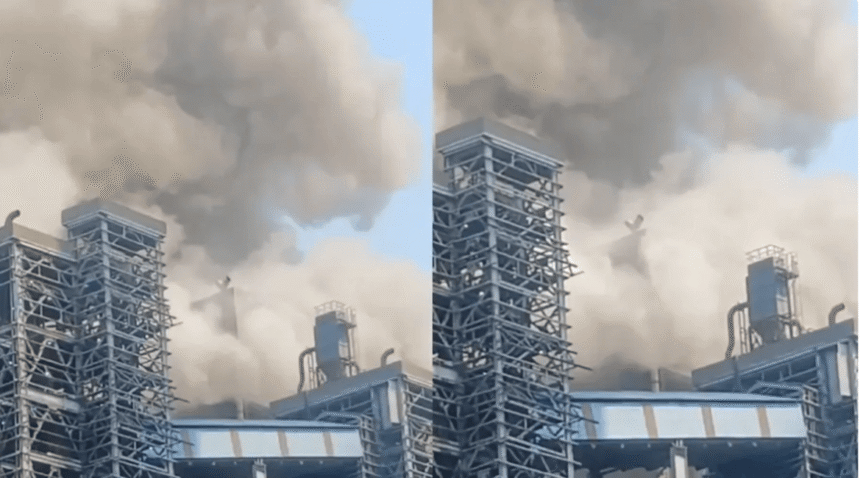
Chhattisgarh Vedanta Power Plant Blast devastating industrial accident in central India has once again brought the issue of workplace safety into sharp focus. The explosion at a power plant operated by Vedanta Limited in Chhattisgarh has claimed at least 24 lives, with several others injured, making it one of the deadliest industrial disasters in recent years.
The tragic incident has not only caused immense human suffering but has also sparked a nationwide debate on industrial safety standards, regulatory oversight, and corporate accountability. As rescue operations conclude and investigations begin, the focus is shifting toward understanding what went wrong and how such tragedies can be prevented in the future.
The Incident: What Happened at the Plant
The explosion occurred at a thermal power plant run by Vedanta Limited in the Korba district of Chhattisgarh, a region known for its dense cluster of power and mining facilities.
According to initial reports, the blast originated in a boiler unit—an area where high-pressure steam and extreme temperatures create a potentially hazardous environment. Eyewitnesses described a massive explosion followed by thick plumes of smoke rising into the sky, visible from several kilometers away.
Workers present at the site were caught off guard, with many trapped under debris or severely injured by the impact of the blast.
Casualties and Rescue Efforts
The death toll has risen steadily as rescue teams recovered bodies from the wreckage. At least 24 workers have been confirmed dead, while dozens more sustained injuries, some of them critical. 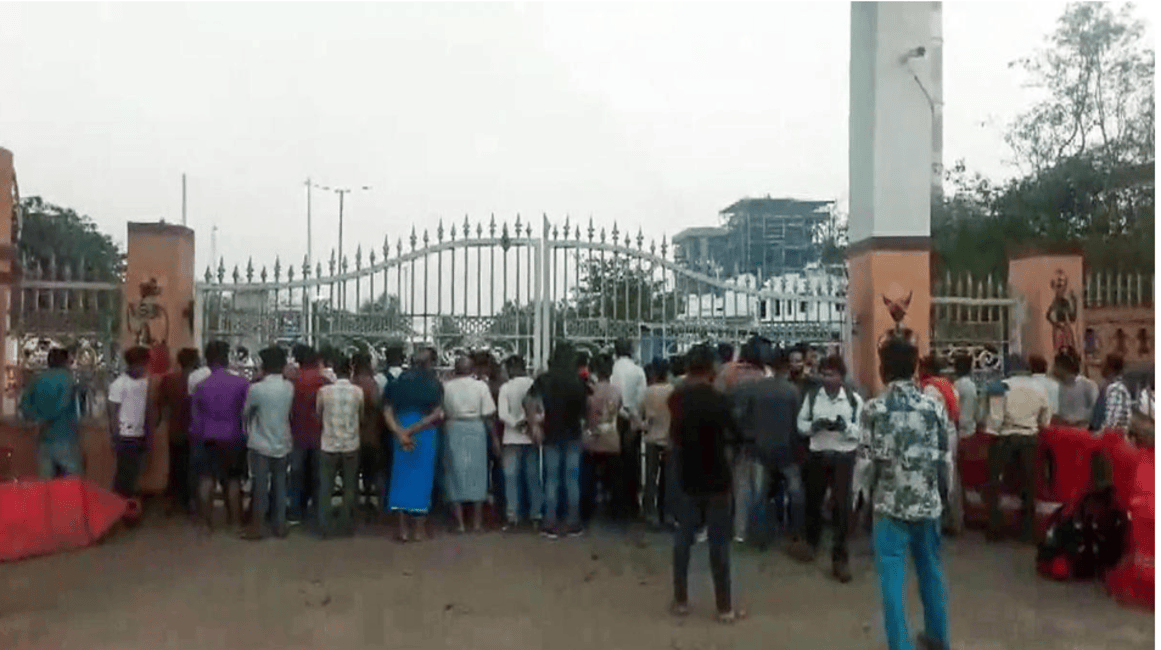

Emergency response teams, including personnel from the National Disaster Response Force (NDRF), local police, and fire services, were deployed immediately. Rescue operations continued for hours, with teams working tirelessly to locate survivors and recover victims.
Hospitals in nearby areas were put on high alert, with medical staff working around the clock to treat the injured.
Eyewitness Accounts: A Scene of Chaos and Desperation
Survivors and witnesses recounted harrowing details of the incident. Many described hearing a deafening explosion before being thrown to the ground by the force of the blast.
Some workers reported that safety alarms either did not go off or were not heard in time, raising concerns about the effectiveness of emergency warning systems.
Others spoke of chaotic scenes as workers tried to escape the facility, with limited visibility due to smoke and dust.
Possible Causes: Boiler Explosion Under Scrutiny
While the exact cause of the explosion is yet to be determined, preliminary investigations suggest a boiler malfunction as the likely trigger.
Boilers in thermal power plants operate under extreme pressure and require meticulous maintenance and monitoring. Any lapse—whether due to equipment failure, human error, or inadequate safety protocols—can lead to catastrophic consequences.
Experts have pointed out that:
- Poor maintenance practices
- Failure to adhere to safety standards
- Overloading or pressure imbalance
could have contributed to the incident.
Government Response and Investigation
The state government of Chhattisgarh has ordered a high-level inquiry into the incident. Senior officials have visited the site and assured strict action against those found responsible.
Compensation for the victims’ families has been announced, with both the state government and Vedanta Limited pledging financial assistance.
The Ministry of Power and other regulatory bodies are also expected to conduct independent investigations to assess compliance with safety norms.
Corporate Accountability: Questions for Vedanta
The incident has put Vedanta Limited under intense scrutiny. Critics argue that large corporations must bear greater responsibility for ensuring the safety of their workers.
Key questions being raised include:
- Were regular safety audits conducted?
- Were known risks adequately addressed?
- Was the workforce properly trained for emergency situations?
Vedanta has issued a statement expressing deep sorrow over the loss of lives and has committed to cooperating fully with investigations.
Industrial Safety in India: A Persistent Concern
This tragedy is not an isolated incident. India has witnessed several industrial accidents over the years, highlighting systemic issues in workplace safety. 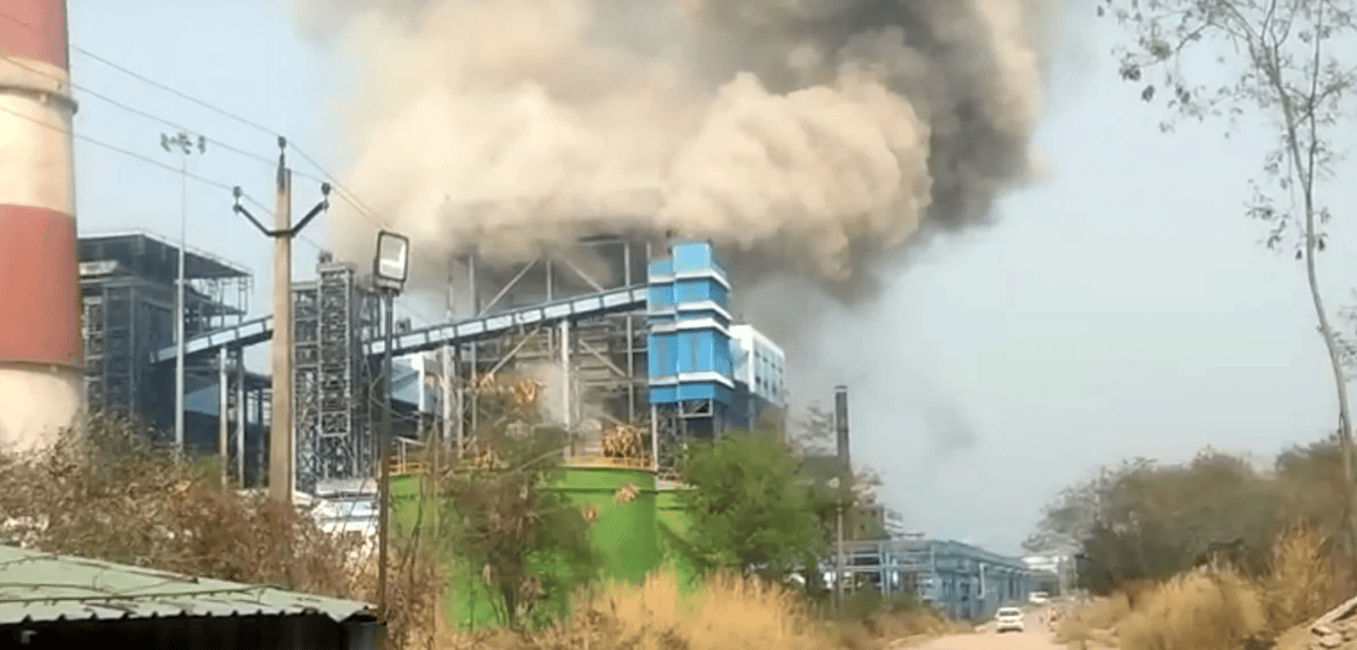

Rapid industrialization, coupled with lapses in enforcement of safety regulations, has often led to hazardous working conditions in sectors such as mining, power generation, and manufacturing.
Common challenges include:
- Outdated equipment
- Inadequate training
- Weak regulatory oversight
- Cost-cutting measures compromising safety
Impact on Workers and Families
Beyond statistics, the human cost of the tragedy is immeasurable. Many of the victims were primary breadwinners for their families.
The sudden loss has left families devastated, facing not only emotional trauma but also financial uncertainty.
Local communities have expressed grief and anger, with demands for justice and stricter safety measures.
Role of Regulatory Authorities
Regulatory bodies are responsible for enforcing safety standards and ensuring compliance. However, incidents like this raise questions about their effectiveness.
There is a growing call for:
- More frequent and rigorous inspections
- Stricter penalties for violations
- Greater transparency in reporting safety issues
Experts argue that a proactive approach, rather than reactive measures after accidents, is essential.
Lessons from the Tragedy
The Chhattisgarh power plant blast serves as a grim reminder of the risks associated with industrial operations.
Key lessons include:
- The need for continuous monitoring and maintenance of critical equipment
- Importance of emergency preparedness and training
- ضرورة of prioritizing worker safety over production targets
The Way Forward: Strengthening Safety Frameworks
To prevent such incidents in the future, a multi-pronged approach is required:
1. Technological Upgrades
Adopting modern technologies for monitoring and controlling industrial processes can significantly reduce risks. 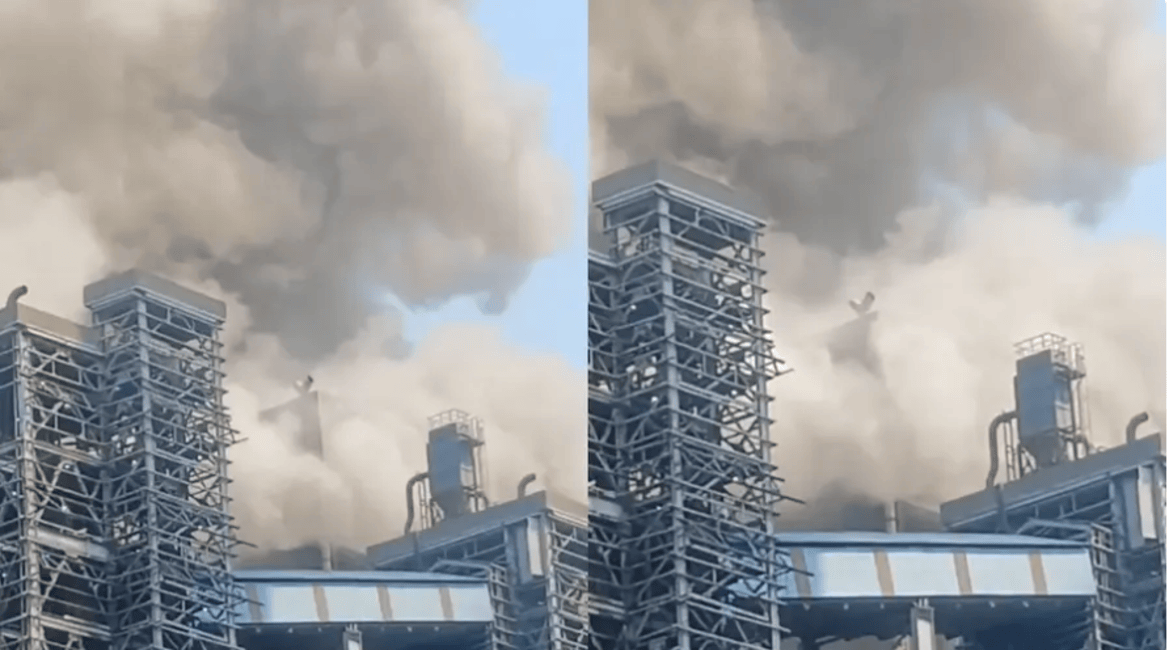

2. Training and Awareness
Workers must be trained to handle emergencies and recognize potential hazards.
3. Regulatory Reforms
Updating safety regulations and ensuring strict enforcement is crucial.
4. Corporate Responsibility
Companies must invest in safety infrastructure and foster a culture of accountability.
Public and Political Reactions
The incident has drawn widespread reactions from political leaders, labor unions, and civil society organizations.
Many have called for a thorough investigation and accountability for those responsible. Some have also highlighted the need for systemic reforms to protect workers’ rights.
Conclusion: A Tragedy That Demands Change
The explosion at the Vedanta Limited power plant in Chhattisgarh is a stark reminder of the human cost of industrial negligence.
As the death toll rises to 24, the tragedy underscores the urgent need for stronger safety measures, better oversight, and a commitment to protecting workers.
While investigations will determine the immediate causes, the larger responsibility lies in ensuring that such incidents do not recur. The lives lost cannot be brought back, but meaningful action can honor their memory and prevent future tragedies. ALSO READ:- T20 World Cup IND vs ZIM: Is Sanju Samson’s Extended Net Session a Sign of India’s Top-Order Rejig? 2026