


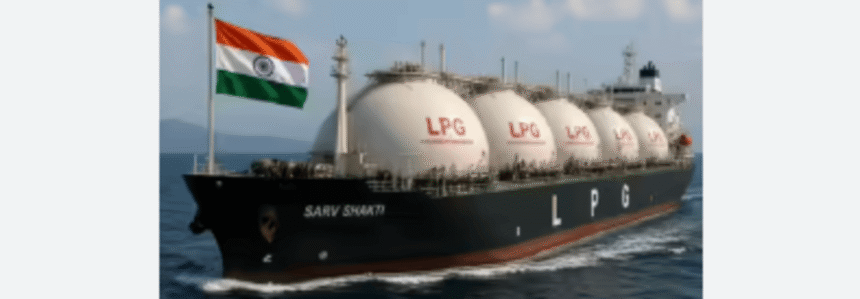
Strategic Voyage Highlights India’s Energy Security Concerns and Maritime Resilience
India-Linked LPG Tanker in a development that underscores the delicate balance of global energy logistics and geopolitics, the India-linked LPG tanker Sarv Shakti has successfully navigated through the strategically vital Strait of Hormuz. The passage of the vessel comes at a time of heightened tensions in West Asia, where maritime routes have increasingly come under scrutiny due to ongoing geopolitical conflicts and security concerns.
The safe transit of Sarv Shakti is being viewed as a significant moment for India’s energy supply chain, given the country’s heavy reliance on imports of liquefied petroleum gas (LPG) and crude oil from the Gulf region.
Why the Strait of Hormuz Matters
The Strait of Hormuz is one of the most critical maritime chokepoints in the world. Located between the Persian Gulf and the Gulf of Oman, it serves as a narrow passage through which a substantial portion of the world’s oil and gas supplies are transported.
Key Facts About the Strait
- Nearly 20% of global petroleum liquids pass through this route
- It connects major oil-producing countries such as Saudi Arabia, Iran, Iraq, Kuwait, and the UAE to international markets
- Any disruption in this region can have immediate global economic repercussions
For India, which imports over 80% of its crude oil requirements, the security of this route is of paramount importance. 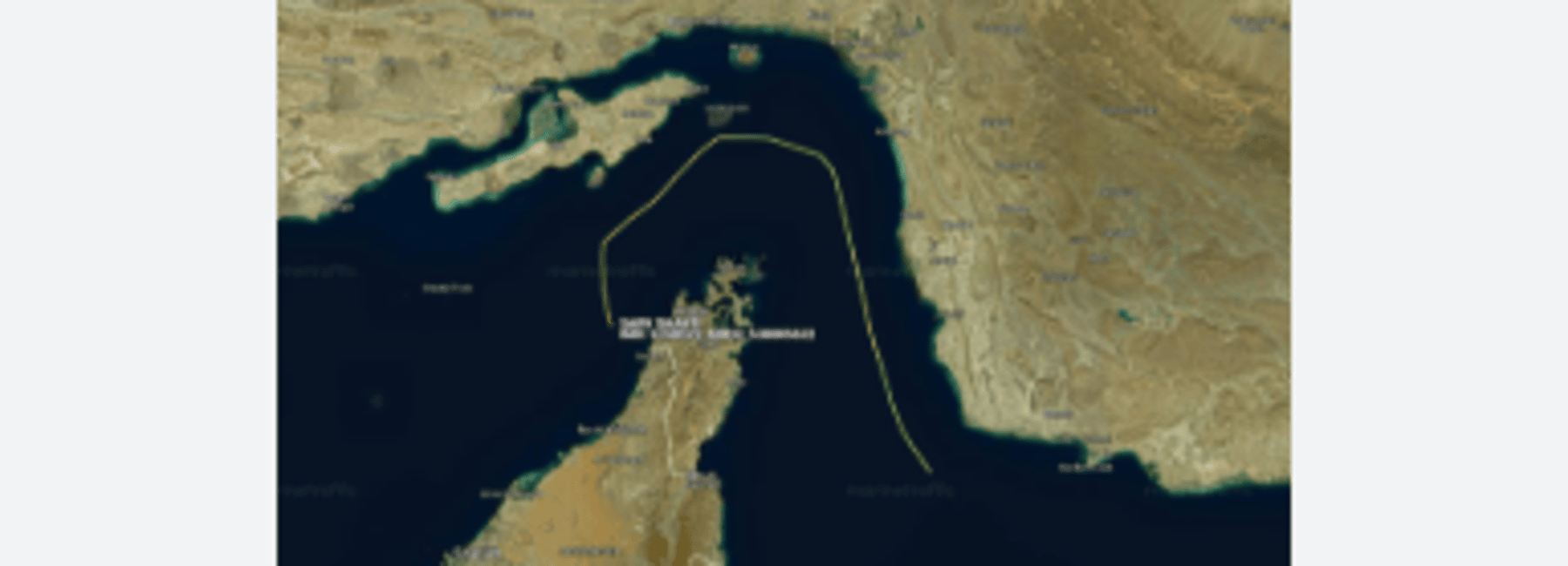

The Vessel: Sarv Shakti and Its Role
The LPG tanker Sarv Shakti is reportedly linked to Indian energy interests, either through ownership, charter, or cargo destination. While specific operational details remain limited, such vessels play a crucial role in transporting liquefied petroleum gas used for:
- Domestic cooking fuel
- Industrial applications
- Petrochemical production
India has significantly expanded its LPG consumption over the past decade, India-Linked LPG Tanker driven by government initiatives aimed at increasing clean cooking fuel access, particularly in rural areas.
Timing of the Voyage: A Region on Edge
The transit of Sarv Shakti through the Strait comes against the backdrop of rising tensions in West Asia. The region has witnessed:
- Increased military activity
- Threats to commercial shipping
- Incidents involving tanker seizures and drone attacks
Countries like Iran and the United States have often been at odds in the region, and their tensions frequently spill over into maritime security concerns. Additionally, conflicts involving regional actors have added layers of complexity to an already volatile environment.
In such a scenario, the successful passage of an India-linked tanker is both reassuring and strategically significant.
India’s Energy Dependence on the Gulf
India’s economic growth is closely tied to its energy consumption. The Gulf region remains a primary supplier of oil and gas to India, with countries such as:
- Saudi Arabia
- Iraq
- United Arab Emirates
- Qatar
being key partners.
LPG Imports and Domestic Demand
India is one of the largest consumers of LPG in the world. Government schemes like the Pradhan Mantri Ujjwala Yojana have expanded LPG access to millions of households, India-Linked LPG Tanker increasing demand and necessitating steady imports.
Any disruption in supply routes like the Strait of Hormuz could have serious implications, including:
- Price volatility
- Supply shortages
- Economic strain

Maritime Security: A Growing Concern
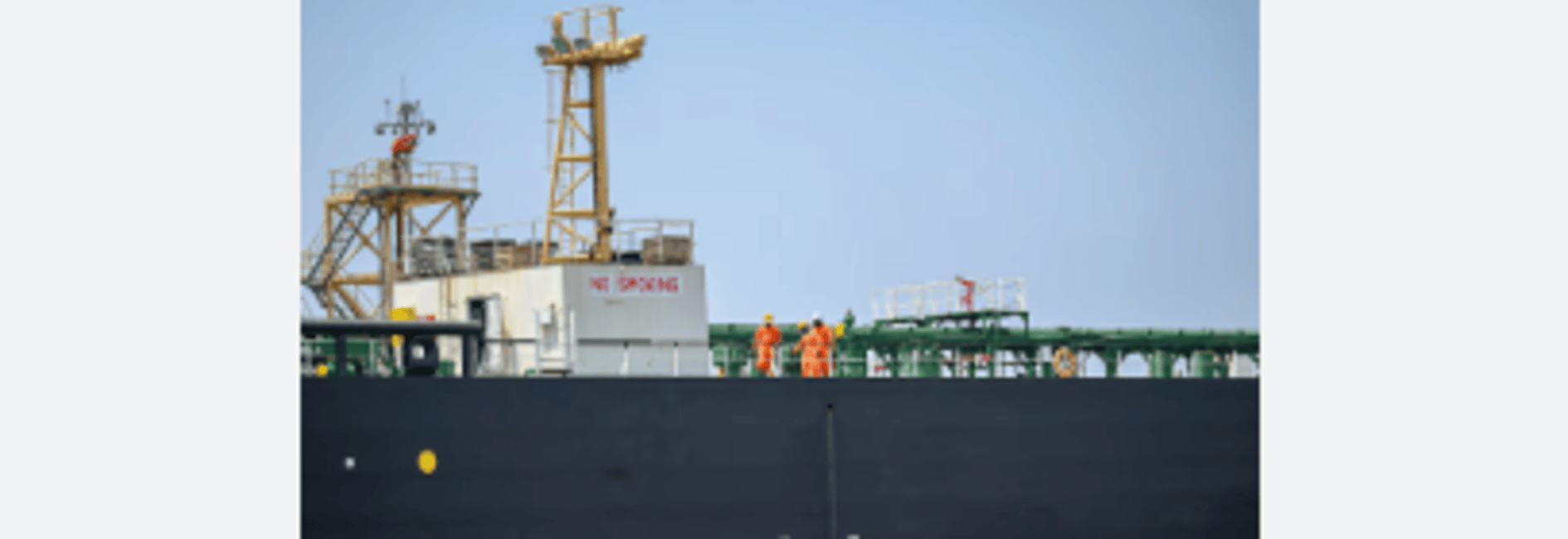
The journey of Sarv Shakti also brings attention to the broader issue of maritime security. In recent years, there have been multiple incidents affecting commercial shipping in the region:
- Tanker attacks using drones or mines
- Seizure of vessels by state and non-state actors
- Increased naval patrols and military presence
These developments have prompted countries, including India, India-Linked LPG Tanker to enhance their maritime security strategies.
India’s Response: Ensuring Safe Sea Lanes
India has taken several steps to safeguard its maritime interests:
Naval Deployments
The Indian Navy has increased its presence in critical sea lanes, India-Linked LPG Tanker particularly in the Arabian Sea and the Gulf region, to ensure the safety of Indian vessels.
International Cooperation
India collaborates with other nations to maintain maritime security, participating in joint exercises and information-sharing initiatives.
Strategic Reserves
To mitigate supply disruptions, India has developed strategic petroleum reserves, India-Linked LPG Tanker which can be used during emergencies.
Global Implications of Safe Transit
The successful crossing of Sarv Shakti is not just an Indian concern—it has broader global implications:
Market Stability
Safe passage of energy shipments helps maintain stability in global oil and gas markets.
Investor Confidence
Smooth operations in critical chokepoints reassure investors and stakeholders in the energy sector.
Geopolitical Signals
It indicates that, despite tensions, international shipping routes remain operational. 

The Role of Technology in Modern Shipping
Modern tankers like Sarv Shakti are equipped with advanced navigation and safety systems, including:
- GPS-based tracking
- Collision avoidance systems
- Real-time communication with maritime authorities
These technologies enhance safety and efficiency, India-Linked LPG Tanker particularly in high-risk zones like the Strait of Hormuz.
Environmental Considerations
While the focus is often on security and economics, India-Linked LPG Tanker environmental concerns are equally important:
- Oil or gas spills in narrow waterways can have devastating ecological impacts
- Increased shipping traffic contributes to marine pollution
- There is a growing push for cleaner and more sustainable fuel alternatives
India, like many other countries, is exploring renewable energy sources to reduce dependence on fossil fuels.
Future Outlook: Navigating Uncertainty
The voyage of Sarv Shakti highlights both the resilience and vulnerability of global energy supply chains. Looking ahead:
Short-Term
- Continued vigilance in maritime security
- Monitoring of geopolitical developments
Medium-Term
- Diversification of energy sources and suppliers
- Investment in alternative energy
Long-Term
- Transition to renewable energy
- Reduced dependence on volatile regions
Expert Perspectives
Energy analysts believe that while such successful transits are encouraging, India-Linked LPG Tanker they do not eliminate underlying risks. The Strait of Hormuz will continue to be a focal point of global attention due to its strategic importance.
Maritime experts emphasize the need for:
- Enhanced surveillance
- Better coordination among nations
- Stronger legal frameworks for maritime security
Conclusion: A Symbol of Strategic Endurance
The passage of the India-linked LPG tanker Sarv Shakti through the Strait of Hormuz is a reminder of the intricate interplay between energy security, India-Linked LPG Tanker geopolitics, and maritime operations.
For India, it underscores the importance of safeguarding supply chains that fuel its economy and support millions of households. For the world, it highlights the continued relevance of critical maritime routes in an era of uncertainty.
As global dynamics evolve, India-Linked LPG Tanker ensuring the safe and uninterrupted flow of energy will remain a top priority for nations. The journey of Sarv Shakti is not just a routine voyage—it is a testament to resilience in the face of challenges and a reflection of the strategic importance of keeping the world’s energy lifelines open. ALSO READ:-From Advisory to Action: What It Takes to Make Heat Action Plans Legally Binding in India 2026