


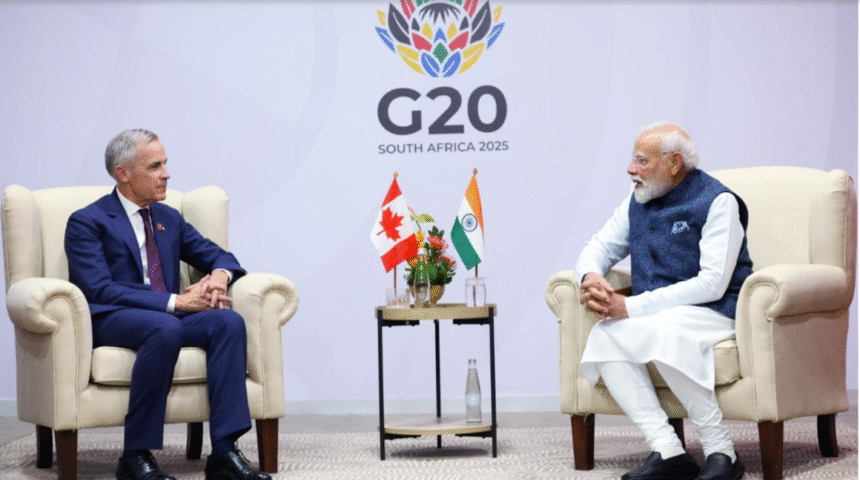
1. A Meeting of Momentum: Modi–Carney Reconnect
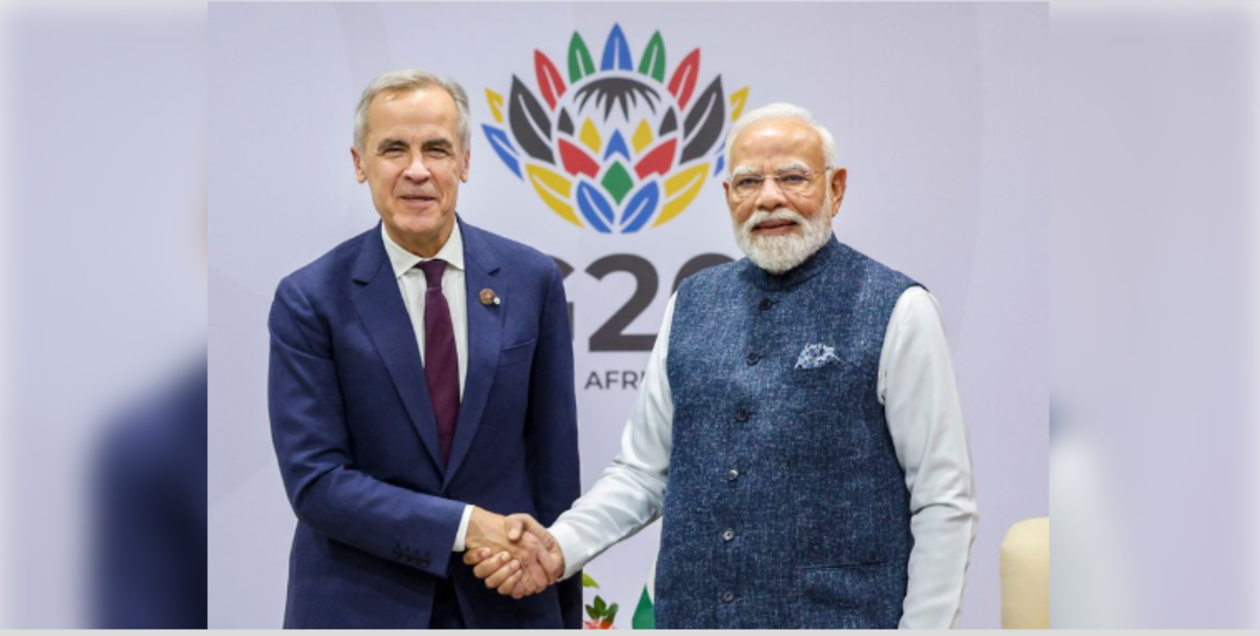
PM Modi and Canada’s Carney Forge New Path This was the second formal meeting between Modi and Carney this year — their earlier interaction took place during the G7 Summit in Kananaskis, Canada, in June 2025 In their Johannesburg meet, both leaders expressed satisfaction at the “significant momentum” that bilateral ties have built up since thenModi described the meeting as “very productive” on social media, underscoring the forward-looking nature of their discussions.
2. Defence and Space: Charting a Strategic Path
One of the most striking outcomes was the decision to deepen defence and space cooperation. Modi and Carney agreed that both nations can harness long-term synergies in these strategically important areas.
-
Defence Cooperation: The commitment is not vague — both leaders emphasized concrete potential, which could involve joint research, technology sharing, capacity building, PM Modi and Canada’s Carney Forge New Path and possibly defense manufacturing.
-
Space Sector: With space becoming a critical frontier of both economic opportunity and geopolitical importance, this agreement opens doors to collaborative satellite missions, PM Modi and Canada’s Carney Forge New Path space technology research, and launch services.
By focusing on these domains, India and Canada reaffirm their shared interest in leveraging strategic technologies, and positioning their cooperation in sectors that are closely tied to national security, innovation, and long-term growth. 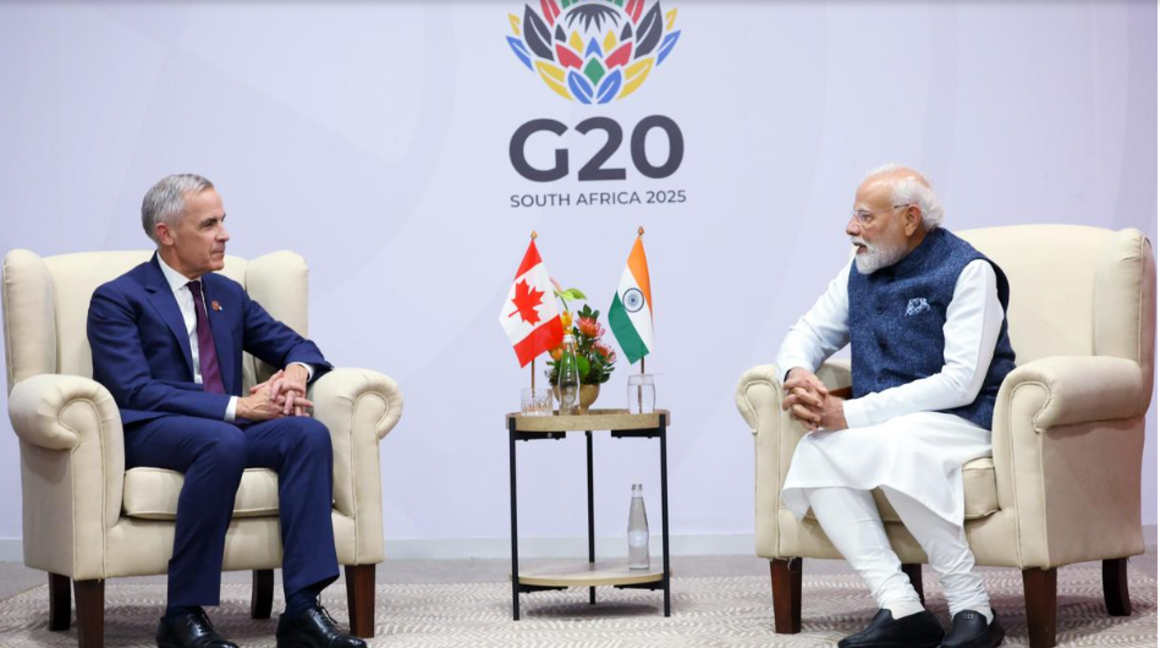

3. Trade, Technology, and Beyond – A Broader Reset
Beyond defence and space, the leaders agreed to deepen ties in several other key areas:
-
Trade & Investment: Modi and Carney committed to restarting negotiations on a Comprehensive Economic Partnership Agreement (CEPA), targeting a doubling of bilateral trade to USD 50 billion by 2030.
-
Technology & Innovation: The two sides emphasized cooperation in emerging technologies, including AI, digital infrastructure, and critical technologies.
-
Energy: Clean energy, diversification of energy supply chains, and possibly nuclear energy are part of the renewed agenda.
-
Education: Both leaders highlighted collaboration in education, talent mobility, and people-to-people exchanges.
4. Triangular Alignment: ACITI Partnership Boost
A pivotal element in the renewed strategic engagement is the Australia-Canada-India Technology and Innovation (ACITI) Partnership, which both leaders welcomed during their discussions. This trilateral cooperation framework aims to bolster collaboration in critical technologies, nuclear energy, AI, PM Modi and Canada’s Carney Forge New Path supply chain diversification, and innovation ecosystems
This partnership is not just symbolic. By aligning technology and innovation priorities across three democracies, the ACITI framework could accelerate joint R&D, foster trilateral industrial synergies, and strengthen resilience in global supply chains, especially in sensitive sectors.
5. Civil Nuclear Cooperation Reaffirmed
In their discussion ,PM Modi and Canada’s Carney Forge New Path reaffirmed “longstanding civil nuclear cooperation More than just maintaining the status quo, the two countries indicated intent to expand collaboration, PM Modi and Canada’s Carney Forge New Path including long-term uranium supply arrangements. Given the rising global demand for clean energy and nuclear power’s role in decarbonization, this renewed focus could have both strategic and economic implications.
6. The AI Summit: Canada’s Support
Perhaps most notably, PM Carney expressed his support for India’s AI Summit, which is scheduled to take place in February 2026. His backing signals Ottawa’s willingness to engage more deeply with India in the field of artificial intelligence, PM Modi and Canada’s Carney Forge New Path which is rapidly becoming a cornerstone of global technological competition.
Carney’s support can be interpreted in several ways:
-
Strategic alignment: Canada recognizes India’s growing influence in AI and wants to position itself as a partner rather than a bystander.
-
Economic opportunity: For Canadian tech firms and investors, India’s AI Summit could open up new business channels.
-
Policy cooperation: There is likely to be interest in regulatory dialogues, ethical AI frameworks, talent mobilization, and collaborative research.
Carney’s backing is a strong endorsement of India’s ambition to become a global AI hub.
7. Reconciling Relations: A Strategic Reset
The Modi–Carney meeting marks a clear reset in India–Canada relations, which have experienced strains in recent years. Their engagement signals a conscious effort to move beyond past tensions and build a more cooperative and forward-leaning relationship.
Observers note that this renewed momentum is not only about bilateral gains but also geopolitical alignment: both countries seem to be recalibrating their external partnerships in a rapidly shifting world order.
8. Challenges & Road Ahead
While the commitments made are ambitious, several challenges must be navigated for this renewed cooperation to materialize:
-
Complexity of Defence & Space Projects: Collaborating in defence and space requires long timelines, trust, and strong institutional frameworks. Translating broad political commitments into joint programs will need detailed planning, PM Modi and Canada’s Carney Forge New Path financing, and mutual willingness to share technology.
-
Trade Negotiations: CEPA talks are often protracted, with many technical and political hurdles. Achieving the USD 50 billion target by 2030 will demand political will, PM Modi and Canada’s Carney Forge New Path business confidence, and robust dispute-settlement mechanisms.
-
Regulatory & Technology Risks in AI: AI governance is still evolving globally. Alignment on data privacy, regulation, ethical standards, and safe deployment is critical — especially for a summit as high-stakes as the February 2026 AI Summit.
-
Nuclear Energy Cooperation: Civil nuclear collaboration involves regulatory approvals, safety guarantees, fuel supply logistics, and public opinion. Deepening cooperation, PM Modi and Canada’s Carney Forge New Path particularly with long-term uranium agreements, will need sustained diplomacy.
-
Geopolitical Sensitivities: As both India and Canada navigate their relationships with other powers, there may be external pressures or competing interests.

9. Broader Implications
The Modi–Carney agreement could have meaningful ripple effects:
-
For India: Strengthening ties with Canada helps diversify its strategic partnerships. In defence and space, India gains a partner with technical sophistication and a shared democratic outlook. In trade and technology, Canada provides access to innovation ecosystems, PM Modi and Canada’s Carney Forge New Path investment capital, and AI capabilities.
-
For Canada: India is a fast-growing, large-market economy, making it an attractive partner for trade, technology, and energy. Deeper ties in defence and space give Canada strategic leverage. Also, supporting India’s AI ambitions could help Canadian firms and talent.
-
For the Global Order: This recent reset between India and Canada could be emblematic of a broader shift toward more pragmatic, sector-based diplomacy — especially among middle and major powers seeking cooperation in technology, security, and innovation.
10. Conclusion
The meeting between Prime Minister Narendra Modi and Prime Minister Mark Carney at the G20 Summit in Johannesburg marks more than just a diplomatic formality — it signals a renewed strategic partnership. By agreeing to deepen cooperation in defence, space, and artificial intelligence, pivoting on a USD 50 billion trade target by 2030, and recommitting to high-level exchanges, both India and Canada are charting a future based on mutual trust, shared values, and common global aspirations.
Carney’s endorsement of India’s AI Summit in February 2026 is especially significant, PM Modi and Canada’s Carney Forge New Path reflecting Canada’s intent to lean into tech-driven multilateralism and recognize India as a key player in shaping the future of artificial intelligence. Meanwhile, the revival of nuclear cooperation and the push for a high-ambition CEPA underscore the seriousness with which both sides view this relationship.
Yet, the road ahead is not without its hurdles. Implementing defence and space collaborations, negotiating comprehensive trade frameworks, and building consensus on AI ethics and regulation will require hard work, institutional backing, and long-term commitment. But if carried forward successfully, PM Modi and Canada’s Carney Forge New Path this renewed Indo-Canadian partnership could emerge as a defining relationship of the coming decade — one that strengthens both nations, and contributes meaningfully to a more resilient, innovation-driven global order. ALSO READ:-IAF’s Tejas Fighter Jet Crashes at Dubai Air Show — Pilot Killed in Tragic Display Accident 2025