


Introduction
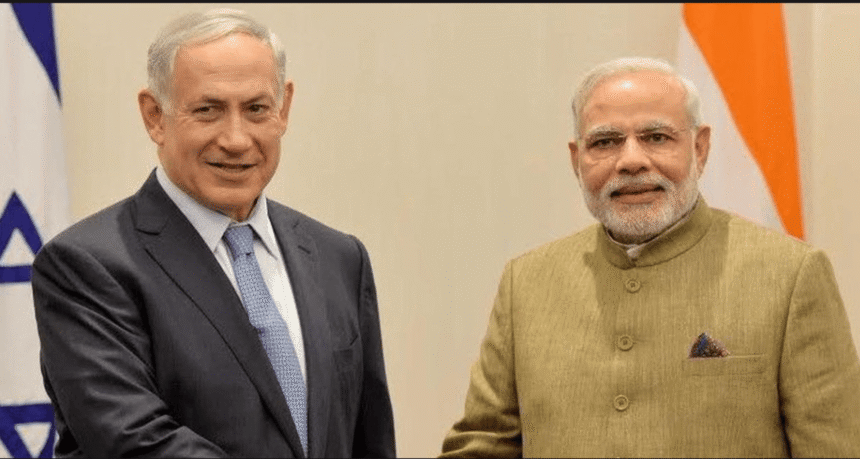
PM Modi’s Israel Visit upcoming visit to Israel comes at a moment of significant geopolitical turbulence in West Asia. While India and Israel have built a robust partnership spanning defence, agriculture, innovation, PM Modi’s Israel Visit and strategic cooperation, the evolving regional security landscape poses diplomatic and strategic challenges.
The visit, expected to further consolidate ties between the two nations, is unfolding against a backdrop of regional conflict, shifting alliances, global power rivalries, PM Modi’s Israel Visit and sensitive diplomatic balances that India must carefully navigate. As West Asia remains volatile, New Delhi’s engagement with Israel is being closely watched not only by regional actors but also by global powers.
PM Modi’s diplomatic outreach thus carries both opportunity and risk — an effort to deepen cooperation while maintaining India’s longstanding policy of strategic autonomy and balanced engagement in the region.
India–Israel Relations: From Cautious Engagement to Strategic Partnership
India formally established full diplomatic relations with Israel in 1992. Since then, PM Modi’s Israel Visit ties have grown steadily, evolving from limited engagement to a comprehensive strategic partnership.
The turning point came in 2017, when Prime Minister Modi became the first Indian Prime Minister to visit Israel. That historic trip symbolized a departure from earlier hesitation rooted in Cold War alignments and domestic political sensitivities. Since then, bilateral cooperation has expanded in multiple domains:
-
Defence and security collaboration
-
Counter-terrorism intelligence sharing
-
Agricultural innovation and water management
-
Cybersecurity and technology partnerships
-
Space and scientific cooperation
Israel has become one of India’s leading defence suppliers, PM Modi’s Israel Visit providing advanced technologies ranging from surveillance systems to missile platforms.
This upcoming visit seeks to build on that foundation but must contend with a rapidly shifting regional context.
Defence Cooperation: A Cornerstone Under Scrutiny
Defence ties remain at the heart of India-Israel relations. Israel is among the top suppliers of military equipment to India, including unmanned aerial vehicles (UAVs), missile defence systems, PM Modi’s Israel Visit and precision-guided munitions.
However, the broader security climate in West Asia adds complexity. Ongoing regional tensions, periodic escalations involving non-state actors, and shifting military alliances have heightened sensitivities.
India, which maintains strong ties with Arab states such as Saudi Arabia and the United Arab Emirates, must ensure that deeper defence engagement with Israel does not appear as alignment against other regional stakeholders.
Thus, while defence remains a pillar, its expansion requires diplomatic calibration.
Regional Conflict and Diplomatic Balancing
West Asia has witnessed recurring instability, including conflicts involving Israel and Palestinian groups, tensions along Israel’s northern borders, and broader strategic rivalries among regional powers.
India traditionally supports a two-state solution to the Israeli-Palestinian conflict, advocating dialogue and peaceful resolution. At the same time, New Delhi has strengthened bilateral cooperation with Israel without allowing the Palestinian issue to dominate its strategic calculus.
This delicate balancing act is central to PM Modi’s visit. Any visible tilt or perceived shift in India’s position could affect its standing among Arab nations, PM Modi’s Israel Visit many of whom have deepened ties with India in recent years through energy trade, diaspora connections, and economic partnerships.
The Energy Factor: India’s Stakes in West Asia
India relies significantly on West Asia for its energy imports. Countries like Iraq, Saudi Arabia, and the UAE play a crucial role in ensuring India’s energy security.
Given this dependence, India’s foreign policy in the region is shaped by pragmatism. Strengthening ties with Israel must coexist with strong engagement with Arab partners.
Over the past decade, India has successfully built parallel partnerships — deepening defence cooperation with Israel while enhancing economic and diplomatic ties with Gulf countries.
PM Modi’s Israel visit tests the resilience of this balanced approach amid a more polarized regional climate.
The Shadow of Global Power Rivalries
Beyond regional tensions, global power rivalries add another layer of complexity. The United States remains Israel’s closest ally and has encouraged regional normalization efforts.
Meanwhile, China has expanded its economic footprint across West Asia, PM Modi’s Israel Visit engaging with both Israel and Arab states. Russia, too, maintains strategic interests in the region.
India’s approach emphasizes strategic autonomy — engaging multiple powers without exclusive alignment. The Prime Minister’s visit underscores India’s independent foreign policy but must navigate perceptions within an increasingly competitive geopolitical environment.
Economic and Technological Cooperation: Untapped Potential
Despite strong defence ties, economic relations between India and Israel have room to grow.
Bilateral trade spans sectors such as:
-
Agriculture technology
-
Water desalination
-
Artificial intelligence
-
Cybersecurity
-
Renewable energy
Israel’s reputation as a “start-up nation” aligns well with India’s innovation ambitions. Collaboration in digital technologies, PM Modi’s Israel Visit health tech, and climate resilience is expected to feature prominently during the visit.
However, geopolitical instability can affect investor confidence and regional connectivity initiatives. 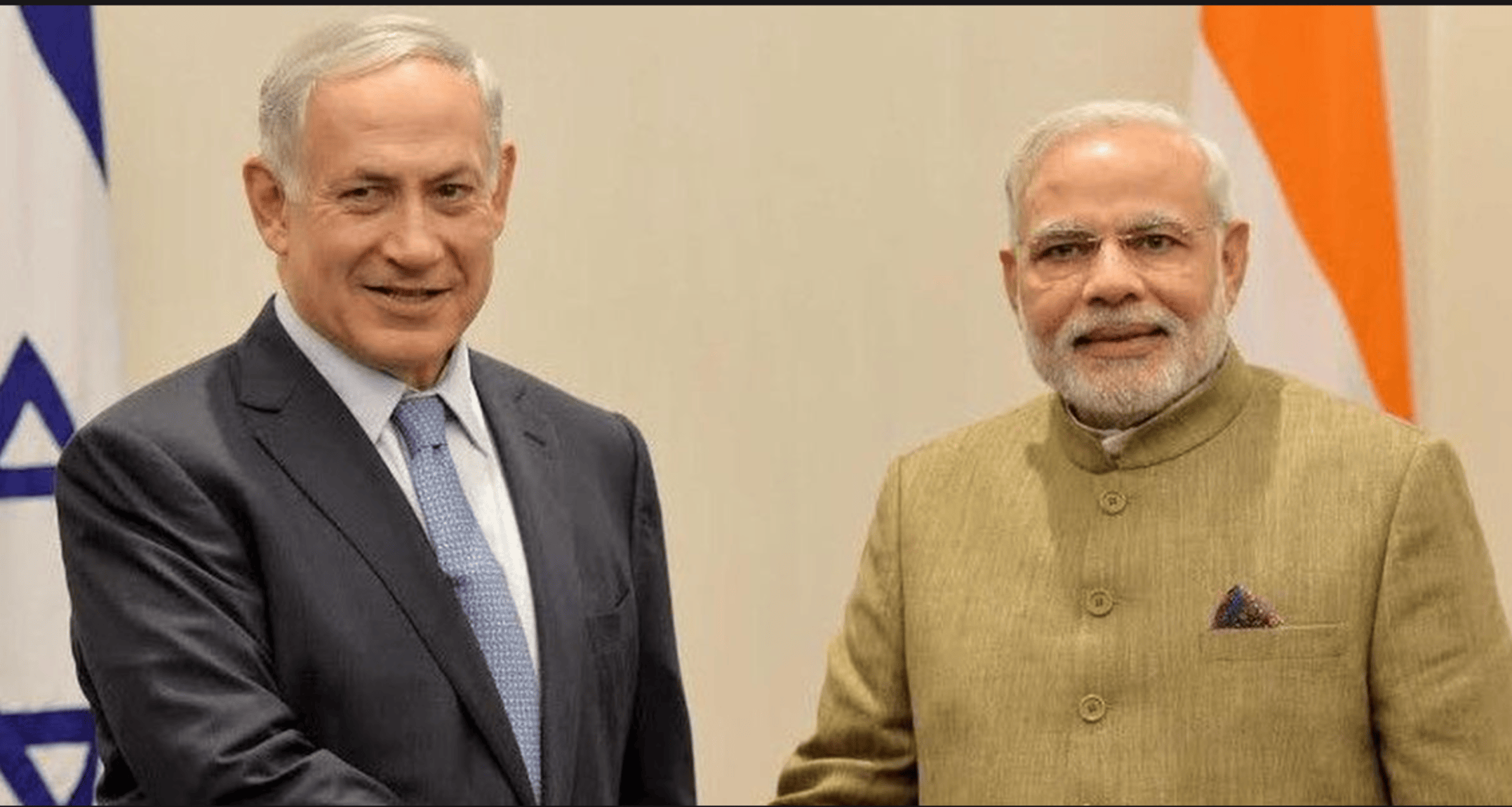

The I2U2 and Emerging Multilateral Platforms
India and Israel are also partners in emerging multilateral frameworks such as I2U2 (India, PM Modi’s Israel Visit Israel, UAE, United States), aimed at fostering economic cooperation and infrastructure development.
These platforms signal a shift toward issue-based coalitions rather than traditional alliances. PM Modi’s visit could reinforce India’s commitment to such initiatives, even as broader geopolitical tensions test their viability.
Multilateral engagement allows India to maintain balance — strengthening ties with Israel while embedding cooperation within broader regional frameworks.
Domestic Political Considerations
Foreign policy decisions are often influenced by domestic political considerations. India’s outreach to Israel has received support from multiple quarters, particularly in areas of security and innovation.
However, public opinion and political narratives surrounding developments in West Asia can shape diplomatic messaging.
PM Modi’s visit will likely emphasize shared democratic values, technological progress, PM Modi’s Israel Visit and counter-terrorism cooperation, framing the partnership within broader themes of development and security.
Strategic Autonomy and India’s Global Image
India positions itself as a bridge-builder — maintaining relations across ideological divides. Its engagement with Israel is part of a broader foreign policy that includes close ties with Gulf monarchies, engagement with Iran, PM Modi’s Israel Visit and participation in global forums advocating dialogue.
Maintaining credibility as a balanced actor requires careful diplomatic language and calibrated policy decisions.
The visit, therefore, is not merely bilateral but symbolic of India’s larger strategic posture in a fragmented global order.
Opportunities Amid Challenges
Despite geopolitical headwinds, PM Modi’s Israel visit also presents opportunities:
-
Strengthening counter-terrorism coordination
-
Expanding agricultural and water partnerships
-
Boosting defence manufacturing collaboration
-
Encouraging start-up ecosystem linkages
-
Enhancing innovation-driven trade
If managed effectively, the visit could deepen cooperation while reinforcing India’s role as a stable and reliable partner.
Risks and Diplomatic Sensitivities
Several risks require attention:
-
Perceptions of imbalance in India’s West Asia policy
-
Impact of regional escalation on planned initiatives
-
Economic uncertainties linked to instability
-
Global geopolitical reactions
India’s diplomatic corps will likely engage in parallel outreach to reassure Arab partners and reaffirm its balanced approach.
West Asia at a Crossroads
West Asia stands at a crossroads between normalization efforts and persistent fault lines. While some countries have pursued rapprochement and economic cooperation, PM Modi’s Israel Visit unresolved conflicts and strategic rivalries continue to generate volatility.
PM Modi’s visit must operate within this uncertain landscape — strengthening bilateral ties while acknowledging regional sensitivities.
Long-Term Strategic Outlook
India’s engagement with Israel is expected to remain strong irrespective of short-term geopolitical turbulence. Defence modernization, technological cooperation, PM Modi’s Israel Visit and shared security concerns form durable pillars of the partnership.
However, sustainable engagement will depend on:
-
Continued diplomatic balance
-
Responsiveness to regional dynamics
-
Emphasis on multilateral cooperation
-
Clear communication of policy intentions
The visit represents both continuity and recalibration in India’s West Asia strategy. 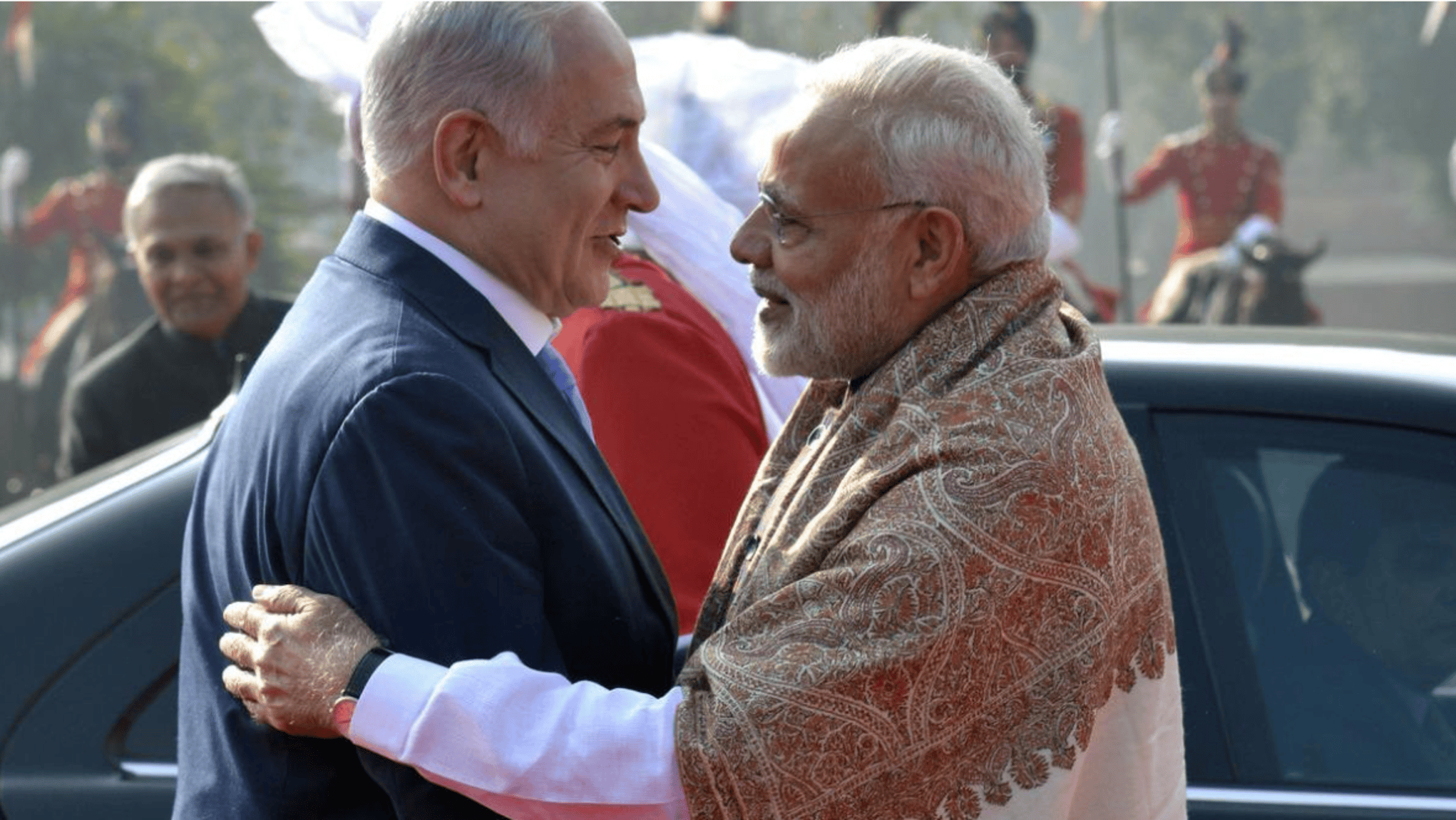

Conclusion
Prime Minister Narendra Modi’s Israel visit unfolds at a time when West Asia faces heightened geopolitical complexities. While India and Israel share deepening strategic ties, the regional environment demands careful diplomatic navigation.
Balancing defence cooperation with energy security, Russian Flag and Anthem Set to Return at Next Month’s Paralympics After Decade-Long Absence 2026 innovation partnerships with political sensitivities, and bilateral engagement with multilateral commitments will define the visit’s success.
Ultimately, the trip reflects India’s evolving role in global geopolitics — a nation seeking to expand strategic partnerships while preserving autonomy and stability. Amid geopolitical headwinds, PM Modi’s Israel visit stands as both a diplomatic challenge and an opportunity to reaffirm India’s nuanced, multi-vector foreign policy in a turbulent region. ALSO READ:- Russian Flag and Anthem Set to Return at Next Month’s Paralympics After Decade-Long Absence 2026