


1. A Symbolic Comeback on the Global Stage
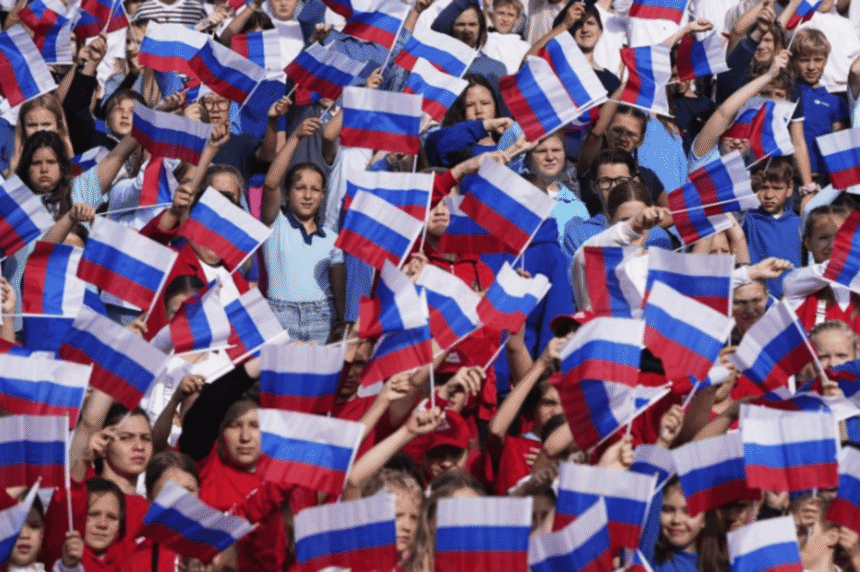
Russian Flag and Anthem Set to Return in a development that marks a significant shift in international sports governance, the Russian flag and national anthem are set to return at next month’s Paralympic Games after nearly a decade of absence. The decision, announced by the International Paralympic Committee (IPC), ends a long period during which Russian athletes competed under neutral banners due to sanctions imposed over systemic doping and broader geopolitical issues.
For Russian athletes and supporters, the reinstatement represents more than ceremonial symbolism—it signals partial reintegration into the global sporting community. For critics, however, it raises questions about accountability, reform, and the integrity of international sport.
2. The Background: A Decade of Sanctions
Russia’s exclusion from major sporting events began following investigations that uncovered state-sponsored doping practices. Reports commissioned by the World Anti-Doping Agency (WADA) detailed systemic manipulation of drug-testing processes.
The fallout was swift. Russian athletes were barred from competing under their national flag at the Olympics and Paralympics. At various events, Russian Flag and Anthem Set to Return| Explained 2026 including the Rio 2016 Paralympic Games and the Tokyo 2020 Paralympic Games, eligible Russian athletes participated under neutral designations without national symbols.
This unprecedented sanction marked one of the harshest penalties ever imposed on a major sporting nation.
3. Competing as Neutrals: The ROC and RPC Era
During the sanction period, Russian athletes competed under names such as the “Russian Paralympic Committee” (RPC) rather than the official national identity. While medals were counted, the flag was not raised, and the anthem was not played.
Athletes often described the experience as bittersweet. Competing at the highest level remained a privilege, but the absence of national symbols diminished the emotional resonance of victory.
Many Paralympians spoke of the psychological impact—winning gold without hearing their anthem, standing under a neutral flag instead of their own.
4. IPC’s Decision and the Road to Reinstatement
The International Paralympic Committee stated that Russia had met the reinstatement criteria established after the doping scandal. These included reforms in anti-doping oversight, enhanced testing protocols, and structural changes within the Russian Paralympic administration.
Independent monitoring, in cooperation with WADA, Russian Flag and Anthem Set to Return | Explained 2026 reportedly confirmed compliance with new regulations. As a result, the IPC voted to restore full membership rights.
The decision follows years of negotiations, oversight, and periodic reviews, reflecting a gradual easing of sanctions based on verified reforms. 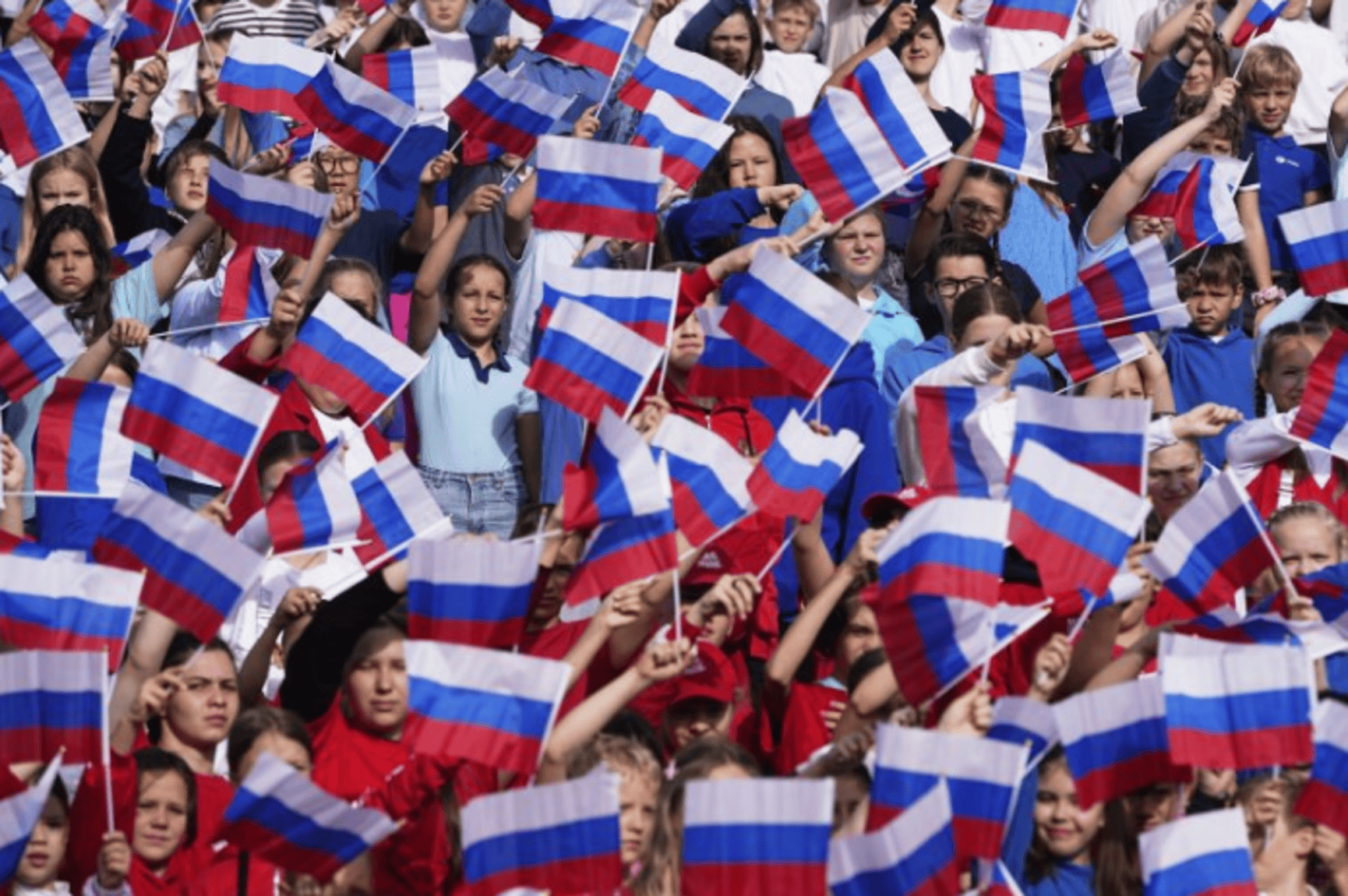

5. A Controversial Timing
The reinstatement comes amid broader geopolitical tensions involving Russia and several Western nations. Critics argue that international sport should maintain a firm stance when political conflicts intersect with global competitions.
Supporters counter that Paralympic athletes should not be indefinitely penalized for systemic issues beyond their control—especially after institutional reforms have been implemented.
The IPC emphasized that its mandate is to govern sport fairly and consistently, Russian Flag and Anthem Set to Return Explained 2026 independent of political considerations.
6. Athletes React: Relief and Pride
Russian Paralympians welcomed the news with visible emotion. For many athletes preparing for next month’s Games, the prospect of marching behind their national flag carries immense symbolic value.
Several athletes expressed gratitude for the opportunity to represent their country fully again. Coaches and sports officials described the decision as a validation of years of reform efforts.
Families of athletes noted that the return of the anthem would restore a sense of completeness to podium ceremonies.
7. Divided International Reactions
The international sporting community has reacted with mixed opinions. Some national Paralympic committees applauded the IPC for adhering to procedural fairness and rewarding compliance.
Others questioned whether the reforms were sufficient and whether reinstatement sends the right message about accountability.
Several advocacy groups emphasized the importance of maintaining strict anti-doping vigilance to preserve trust in competition.
8. The Broader Debate: Punishment vs. Rehabilitation
The Russian case has reignited debate about how international sports bodies handle large-scale violations.
Should penalties be indefinite, Russian Flag and Anthem Set to Return serving as a deterrent? Or should institutions prioritize rehabilitation once corrective measures are implemented?
The IPC’s decision appears to favor a rehabilitation model—conditional reintegration following verifiable reform.
9. The Role of WADA
The World Anti-Doping Agency played a central role in assessing Russia’s compliance. Since the original investigation, WADA has introduced stricter compliance protocols, Russian Flag and Anthem Set to Return independent testing procedures, and enhanced monitoring mechanisms.
Officials stress that reinstatement does not mean reduced scrutiny. Instead, Russia’s anti-doping processes will remain under international oversight to ensure continued adherence to global standards.
The credibility of this oversight will be closely watched by athletes and federations worldwide.
10. A Turning Point for Paralympic Sport
The Paralympic movement has grown dramatically over the past decade, Russian Flag and Anthem Set to Return emphasizing inclusion, resilience, and global unity. High-profile sanctions against a major sporting nation underscored the IPC’s commitment to integrity.
Now, the return of Russia under its own flag may represent a new chapter—one that balances accountability with reintegration.
Observers note that the decision could influence how other federations handle compliance cases in the future.
11. Political Implications
Although the IPC maintains its independence, political narratives inevitably surround such decisions. Russian officials have framed the reinstatement as recognition of fairness and a rejection of what they describe as collective punishment.
Western policymakers, meanwhile, have largely refrained from direct comment, Russian Flag and Anthem Set to Return emphasizing that international sporting bodies operate autonomously.
The overlap between geopolitics and sport remains a sensitive domain.
12. The Emotional Weight of Symbols
Flags and anthems are more than ceremonial gestures—they embody national identity and collective memory. For athletes who dedicate years to training, Russian Flag and Anthem Set to Return representing their country is often a core motivation.
The absence of these symbols during the past decade created a visible gap between individual achievement and national recognition.
Their return is expected to restore the emotional intensity of medal ceremonies for Russian athletes and supporters. 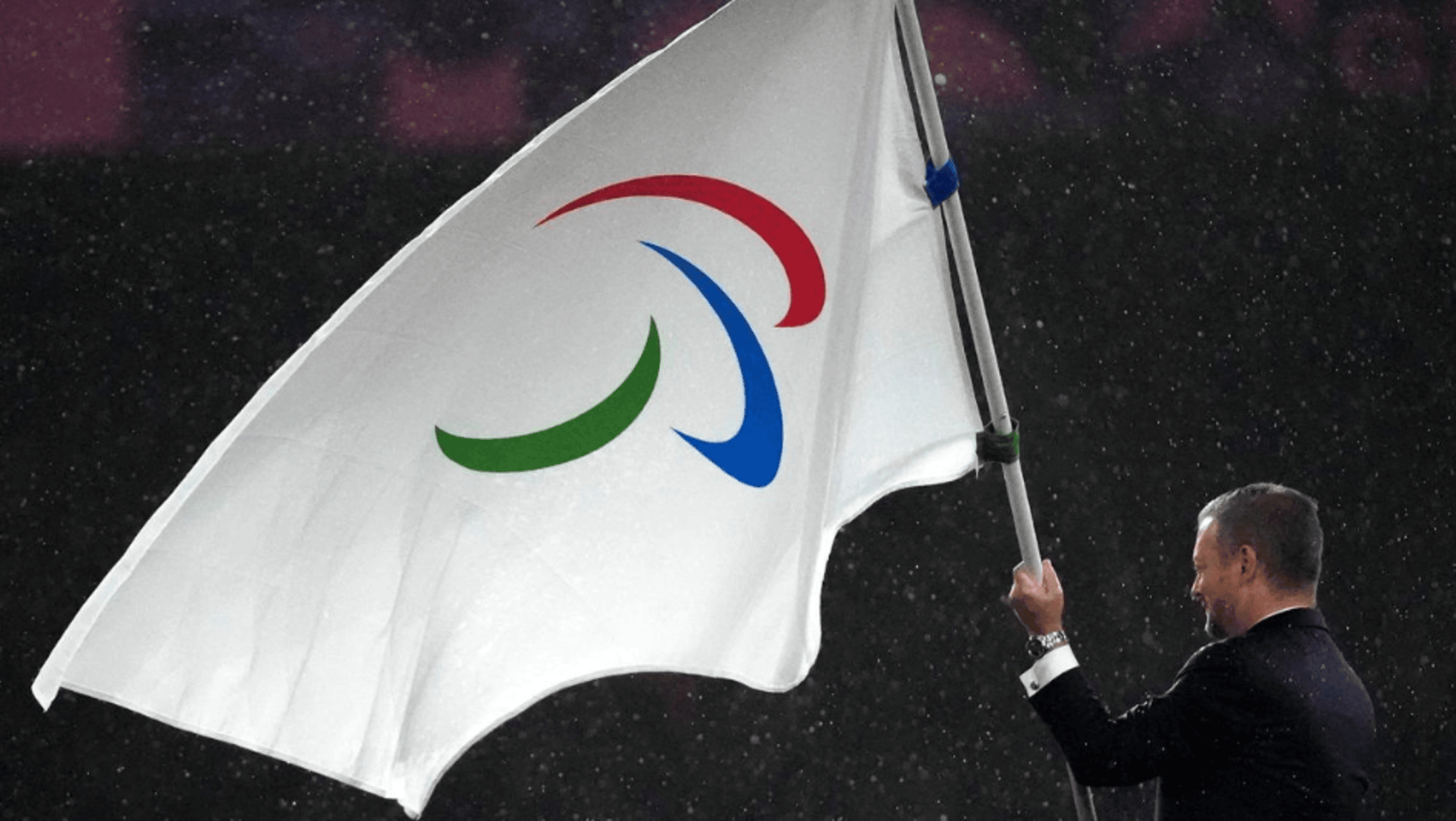

13. Ensuring a Clean Slate
The IPC has reiterated that reinstatement comes with conditions. Any future violations could trigger immediate sanctions.
Athletes will undergo regular testing, Russian Flag and Anthem Set to Return and independent observers will monitor compliance. The emphasis remains on transparency and fairness.
Officials say the aim is not merely to restore symbols, but to ensure sustainable reform.
14. Host Nation Preparations
The host nation for next month’s Paralympics is preparing for a politically sensitive yet celebratory event. Organizers stress inclusivity and neutrality, Russian Flag and Anthem Set to Return focusing on athletic excellence rather than controversy.
Security arrangements and diplomatic protocols will reflect the complexities of international representation.
Despite potential tensions, the Games are expected to showcase extraordinary talent and determination.
15. Athletes at the Heart of the Story
Amid debates over policy and politics, the athletes themselves remain central. Paralympians represent resilience, often overcoming profound physical challenges to compete at elite levels.
For many Russian competitors, the return of their flag symbolizes closure after years of uncertainty.
International peers have largely expressed solidarity with fellow athletes, Russian Flag and Anthem Set to Return emphasizing shared respect for dedication and hard work.
16. Lessons for Global Sport
The decade-long absence of the Russian flag serves as a case study in how international sport navigates crises.
Key lessons include:
-
The importance of independent oversight
-
The necessity of transparent reform
-
The balance between deterrence and reintegration
-
The power of symbols in shaping perception
Sports governance bodies may draw on these experiences when addressing future compliance challenges.
17. Conclusion: A New Chapter Begins
The return of the Russian flag and anthem at next month’s Paralympics marks the end of a turbulent era and the beginning of a cautiously optimistic new chapter.
While questions remain about long-term compliance and geopolitical sensitivities, the IPC’s decision underscores a belief in reform and reintegration.
For Russian athletes, the moment will be deeply personal—standing on the podium as their national anthem plays once again. For the global sporting community, it represents both resolution and reminder: that integrity must be defended, but redemption must also remain possible. ALSO READ:-What Are Bio-Based Chemicals and Enzymes? | Explained 2026