


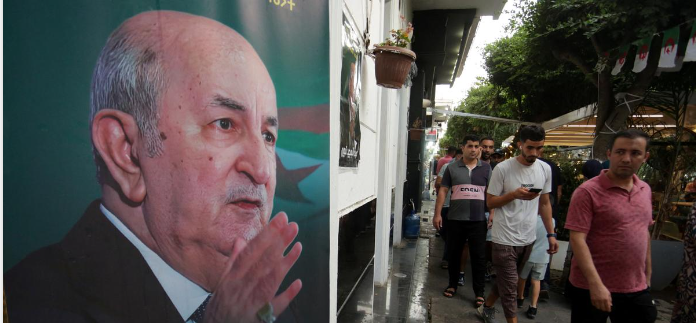
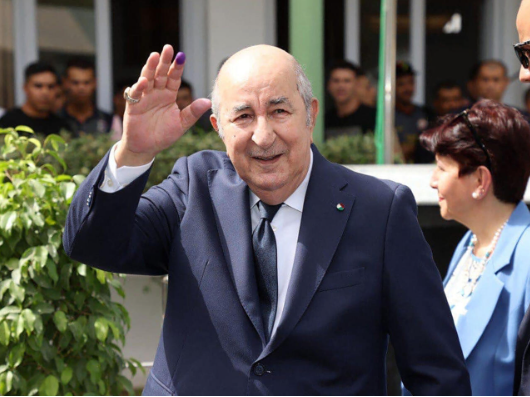
Tebboune In a resounding affirmation of support, Algeria’s President Abdelmadjid Tebboune has secured a second term in office, winning an impressive 95% of the vote in the recent presidential election. This landslide victory underscores the strong backing Tebboune enjoys among Algerian voters as he embarks on another term. Central to his campaign was a pledge to bolster social benefits, reflecting a commitment to addressing the economic and social challenges facing the country. This article delves into the details of Tebboune’s victory, the implications of his reelection, and the expected impact of his promised social reforms.
Election Results and Victory
The recent presidential election in Algeria saw President Tebboune achieve a decisive victory, capturing 95% of the votes cast. The overwhelming support is indicative of his political dominance and the public’s confidence in his leadership.
- Voter Turnout: The election saw a substantial turnout, Tebboune with many Algerians eager to exercise their democratic right amidst a climate of political and economic uncertainty. High voter turnout often signifies robust civic engagement and interest in the electoral process.
- Opposition and Criticism: While TTebboune’s victory was clear-cut, the election was not without controversy. Opposition parties and critics have raised concerns about the fairness and transparency of the electoral process. Accusations of vote manipulation and suppression of dissent have been notable, reflecting ongoing tensions within Algerian politics.
- International Reaction: The international community has largely acknowledged Tebboune’s victory, with various countries and organizations extending their congratulations. However, there have been calls for transparent and democratic reforms to address concerns raised by opposition groups and civil society.

Tebboune’s Promises for the Second Term
A key element of Tebboune’s campaign was his pledge to enhance social benefits, a move aimed at addressing pressing economic issues and improving the quality of life for Algerians. His promises include:
- Increased Social Welfare Programs: Tebboune has vowed to expand social welfare programs, including increased subsidies for essential goods, healthcare, and education. These measures are intended to alleviate the financial burden on Algerian families and improve access to basic services.
- Economic Reforms: In addition to social benefits, Tebboune has promised economic reforms designed to stimulate growth and reduce unemployment. His plans include investment in infrastructure, support for small and medium-sized enterprises, and initiatives to boost the national economy.
- Housing and Infrastructure Development: Addressing the housing deficit has been a priority for Tebboune. His second term will see a continued focus on housing projects and infrastructure development to enhance living conditions and support economic activities.
- Healthcare and Education Improvements: Recognizing the importance of quality healthcare and education, Tebboune has committed to investing in these sectors. Plans include expanding healthcare facilities, improving educational infrastructure, and increasing funding for public services.

Implications of the Victory
Tebboune’s victory and his promises for the second term carry significant implications for Algeria:
- Political Stability: A strong mandate provideswith a stable platform to implement his policies. However, the political landscape will need to be managed carefully to address dissent and opposition concerns.
- Economic Impact: The promised social benefits and economic reforms are expected to have a substantial impact on Tebboune Algeria’s economy. Successful implementation could lead to improved living standards and economic growth, but challenges such as funding and execution remain.
- Social Dynamics: Enhanced social benefits have the potential to improve public satisfaction and address some of the socio-economic issues that have led to unrest in the past. Effective policy implementation will be crucial in achieving these outcomes.
- International Relations: Tebboune’s second term may influence Algeria’s relationships with other countries. Positive economic and social reforms could enhance Algeria’s standing on the global stage, while any domestic issues could affect international perceptions.
Challenges Ahead
Despite the overwhelming support, Tebboune faces several challenges in his second term:
- Economic Constraints: Algeria’s economy has faced significant challenges, including low oil prices and economic d Tebboune iversification issues. Implementing his ambitious economic plans will require navigating these constraints and securing adequate funding.
- Political Opposition: The opposition remains a vocal critic ofadministration. Managing political dissent and addressing concerns about the electoral process will be important for maintaining stability and fostering democratic dialogue.
- Social Expectations: While Tebboune’s promises are aimed at improving social welfare, there will be high expectations for tangible results. Delivering on these promises effectively will be crucial for maintaining public support.
- Corruption and Governance: Addressing issues of corruption and improving governance will be essential for the success of Tebboune’s reforms. Ensuring transparency and accountability in the administration will be a key focus.
Public Reaction and Support
The public reaction to Tebboune’s victory has been mixed:
- Supporters’ Optimism: Many Algerians are optimistic about the prospects of enhanced social benefits and economic improvements. Supporters view promises as a positive step towards addressing long-standing issues.
- Critics’ Concerns: Opponents and critics have expressed skepticism about the feasibility of promises. Concerns about the effectiveness of the proposed reforms and the integrity of the electoral process persist.
- Civil Society Engagement: Civil society organizations have called for increased transparency and accountability. They emphasize the need for ongoing dialogue and engagement to ensure that reforms are implemented effectively and equitably.
Future Prospects
As President Tebboune embarks on his second term, the focus will be on translating campaign promises into concrete actions:
- Implementation of Reforms: The success of Tebboune’s second term will hinge on the effective implementation of promised reforms. Monitoring progress and making necessary adjustments will be crucial for achieving desired outcomes.
- Strengthening Institutions: Building strong institutions and enhancing governance will be key to sustaining progress and ensuring the successful execution of policies.
- Engaging with Stakeholders: Engaging with various stakeholders, including opposition parties, civil society, and international partners, will be important for fostering cooperation and addressing challenges.
- Long-Term Vision: second term offers an opportunity to lay the groundwork for long-term development and stability in Algeria. A strategic and inclusive approach will be essential for realizing the country’s potential and addressing its challenges.
Conclusion
President Abdelmadjid Tebboune’s landslide victory in the recent Algerian election marks a pivotal moment in the country’s political landscape. With a clear mandate and a commitment to enhancing social benefits, Tebboune enters his second term with the potential to drive significant change. While the path ahead is fraught with challenges, the focus on improving social welfare and economic conditions offers a promising vision for Algeria’s future. The coming months will be critical in determining the success of s reforms and the impact on Algerian society. As the nation moves forward, the interplay between policy implementation, political dynamics, and public expectations will shape the trajectory of Algeria’s development and stability .ALSO READ:-Algeria’s President Tebboune Wins Second Term with 95% of the Vote: A Pledge for Enhanced Social Benefits