


Move Aims to Ease Appointments to Key Bodies but Triggers Concerns Over Constitutional Process
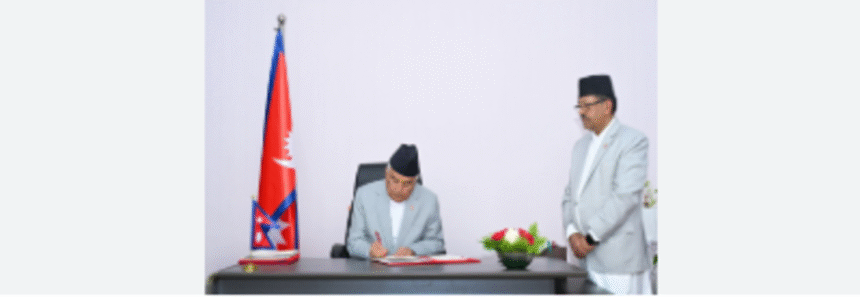
Nepal President Promulgates Constitutional in a significant political development, the President of Nepal has promulgated an ordinance amending provisions related to the functioning of the Constitutional Council, a crucial body responsible for recommending appointments to key constitutional institutions. The move has reignited debate over executive authority, constitutional norms, and the balance of power in the Himalayan nation.
The ordinance, issued at the recommendation of the government, is intended to streamline decision-making within the Constitutional Council. However, it has also drawn criticism from opposition leaders and constitutional experts who argue that it could undermine democratic processes and institutional checks and balances.
Understanding the Constitutional Council
The Constitutional Council of Nepal plays a vital role in Nepal’s governance structure.
Key Functions
- Recommending appointments to constitutional bodies
- Ensuring transparency in selection processes
- Maintaining institutional integrity
Composition
The council typically includes:
- The Prime Minister (Chairperson)
- The Chief Justice
- The Speaker of Parliament
- The Leader of the Opposition
- Other senior constitutional functionaries
Given its composition, the council is designed to reflect a balance of political and institutional representation.
What the Ordinance Changes
The newly promulgated ordinance introduces modifications aimed at making the council’s functioning more efficient.
Key Provisions
- Allows decisions to be taken with a reduced quorum
- Enables meetings even if some members are absent
- Facilitates quicker recommendations for appointments
The government has argued that these changes are necessary to avoid delays in filling critical positions in constitutional bodies. 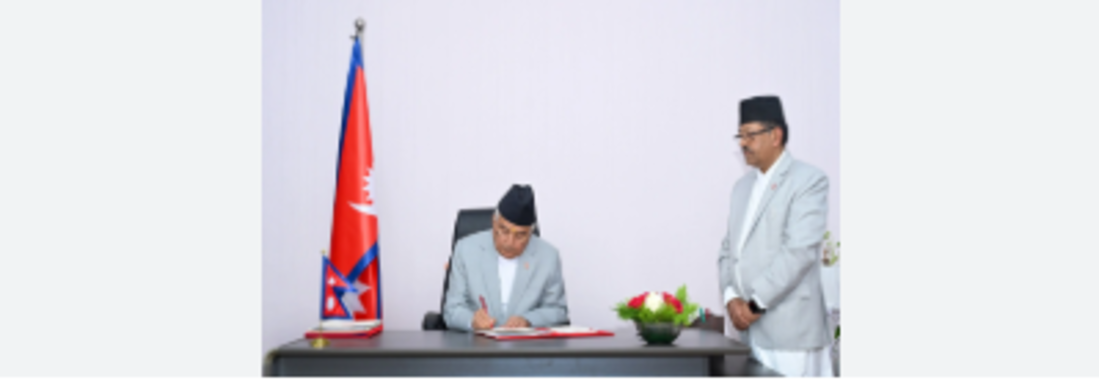

Government’s Justification
The ordinance was issued on the recommendation of the government led by Khadga Prasad Sharma Oli.
Reasons Cited
- Persistent deadlock within the council
- Delay in appointments affecting governance
- Need for administrative efficiency
Government officials maintain that the ordinance is a pragmatic solution to ensure continuity in governance and prevent institutional paralysis.
Role of the President
The ordinance was promulgated by Ram Chandra Poudel under constitutional provisions that allow the head of state to issue ordinances when Parliament is not in session.
Constitutional Basis
- Ordinances can be issued on the recommendation of the Cabinet
- They have the force of law until Parliament reconvenes
- Must be approved by Parliament within a specified period
While constitutionally valid, such ordinances often become subjects of political contention.
Opposition’s Criticism
Opposition parties have strongly criticized the move.
Key Concerns
- Undermining the spirit of collective decision-making
- Weakening the role of opposition members in the council
- Potential misuse of executive power
Critics argue that reducing quorum requirements could allow decisions to be made without adequate representation, Nepal President Promulgates Constitutional thereby compromising the integrity of appointments.
Constitutional Debate: Efficiency vs Accountability
The ordinance has sparked a broader debate on governance principles.
Arguments in Favor
- Reduces delays in appointments
- Ensures functioning of key institutions
- Addresses practical challenges in decision-making
Arguments Against
- Risks concentration of power
- Erodes checks and balances
- May set a precedent for bypassing institutional norms
Legal experts emphasize the need for a careful balance between efficiency and accountability Nepal President Promulgates Constitutional.
Impact on Key Institutions
The functioning of several constitutional bodies depends on timely appointments recommended by the council.
Affected Institutions
- Anti-corruption bodies
- Election Commission
- Human rights institutions
Delays in appointments can hinder these institutions’ effectiveness, Nepal President Promulgates Constitutional making the council’s role even more critical.
Political Context: A History of Deadlock
Nepal’s political landscape has often been marked by disagreements among major parties, Nepal President Promulgates Constitutional leading to delays in decision-making.
Past Challenges
- Disputes over appointments
- Boycotts of council meetings
- Prolonged vacancies in key positions
The ordinance is seen as an attempt to address these recurring issues.
Legal Implications and Possible Challenges
The ordinance may face legal scrutiny.
Potential Issues
- Interpretation of constitutional provisions
- Validity of reduced quorum requirements
- Scope of presidential powers
Courts may be called upon to adjudicate disputes arising from the implementation of the ordinance Nepal President Promulgates Constitutional.
Public Reaction: Mixed Responses
The public response has been varied.
Support
Some citizens believe the ordinance will improve governance by ensuring timely appointments.
Concerns
Others worry about the implications for लोकतंत्र (democracy) and institutional independence.
Regional and International Perspective
Nepal’s political developments are closely watched by neighboring countries and international observers Nepal President Promulgates Constitutional.
Key Considerations
- Stability of democratic institutions
- Transparency in governance
- Adherence to constitutional norms
The ordinance adds another layer to Nepal’s evolving political narrative.
Future Scenarios
1. Parliamentary Approval
The ordinance could be passed by Parliament, becoming a permanent law Nepal President Promulgates Constitutional.
2. Rejection or Modification
Lawmakers may amend or reject the ordinance.
3. Judicial Intervention
Courts may intervene if the ordinance is challenged. 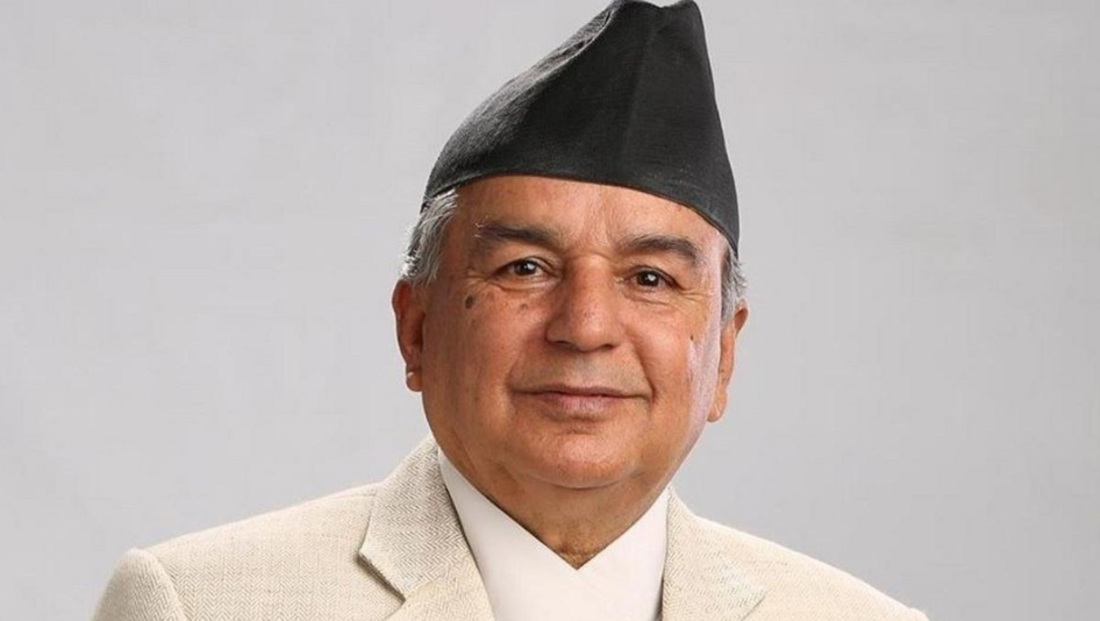

Expert Analysis
Political analysts view the ordinance as a double-edged sword.
Positive Outlook
- Addresses immediate governance challenges
- Prevents institutional stagnation
Negative Outlook
- Raises concerns about democratic processes
- Could deepen political divisions
The Road Ahead for Nepal
The coming weeks will be crucial as the ordinance moves through the political and legal system Nepal President Promulgates Constitutional.
Key Developments to Watch
- Parliamentary debates
- Opposition strategies
- Judicial responses
The outcome will shape Nepal’s governance framework and political dynamics.
Conclusion: A Crucial Test for Nepal’s Democratic Institutions
The promulgation of the ordinance by Ram Chandra Poudel, on the recommendation of Khadga Prasad Sharma Oli, marks a significant moment in Nepal’s political journey.
While the move aims to enhance efficiency in the functioning of the Constitutional Council of Nepal, it also raises important questions about the balance between executive authority and institutional accountability.
As Nepal navigates this complex issue, Nepal President Promulgates Constitutional the emphasis must remain on safeguarding democratic principles while ensuring effective governance. The ultimate test will be whether the ordinance strengthens or weakens the country’s constitutional framework. ALSO READ:-Congress Considers Backing Vijay for ‘Secular’ Government in Tamil Nadu After Outreach 2026