


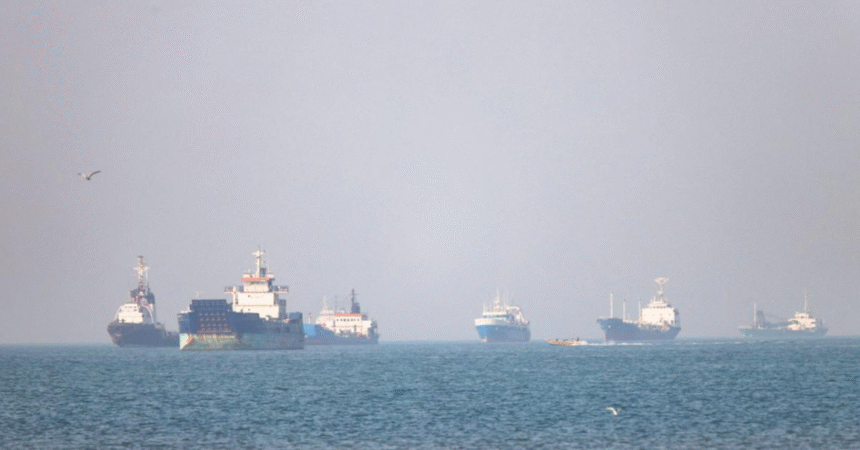
Iran–Israel War LIVE Tehran Tightens Grip on World’s Most Critical Oil Chokepoint Amid Escalating Conflict
Iran–Israel War LIVE a major escalation with far-reaching global implications, Iran has enforced new “sovereign” transit regulations in the Strait of Hormuz, mandating that all vessels obtain prior authorization before passing through the vital waterway. The move comes against the backdrop of the ongoing conflict involving Israel and rising tensions with the United States and its allies.
The new rules mark a significant shift in how maritime traffic is managed in one of the world’s busiest and most strategically important shipping routes—through which a substantial portion of global oil and gas supplies transit daily.
Breaking News Snapshot
Iran–Israel War LIVE What Iran’s New Transit Rules Mean
Under the newly introduced system, Iran–Israel War LIVE vessels seeking to transit the Strait of Hormuz must now:
- Obtain prior transit permits before entering the waterway
- Follow updated navigation rules and designated corridors
- Coordinate with Iranian authorities, including military bodies
- Comply with instructions issued electronically via an official system
Iran has described the initiative as a “sovereign governance mechanism” to regulate maritime traffic.
Ships will receive detailed instructions from a newly established authority—often referred to as the Persian Gulf Strait Authority—outlining operational requirements for safe passage.
Iran–Israel War LIVE A Strategic Waterway Under Pressure
The Strait of Hormuz is one of the most critical maritime chokepoints in the world:
- Connects the Persian Gulf to the Arabian Sea
- Handles a significant share of global oil exports
- Serves as a lifeline for energy-dependent economies
Any disruption or regulatory shift in this region has immediate consequences for global energy markets and trade flows.
Why Iran Is Tightening Control
Iran’s decision is widely seen as part of a broader strategy shaped by the ongoing conflict and geopolitical tensions.
Key Motivations
- Assert control over a strategic maritime corridor
- Respond to perceived threats from the U.S. and its allies
- Strengthen bargaining power in regional negotiations
- Enhance security amid wartime conditions
Iranian officials have argued that the move is necessary to ensure safe navigation and protect national interests, especially after alleged violations of ceasefire conditions.
Link to the Iran–Israel Conflict
The new transit rules are closely linked to the ongoing hostilities involving Israel.
Since the outbreak of the conflict:
- Maritime tensions in the Gulf have intensified
- Several incidents involving commercial vessels have been reported
- Military deployments by global powers have increased
Iran has accused adversaries of destabilizing the region, while Western nations have criticized Tehran’s actions as disruptive to global trade.
Global Reaction: Concern and Uncertainty
United States Response
The United States has expressed strong concerns about Iran’s move, Iran–Israel War LIVE warning that any attempt to restrict free navigation could trigger serious consequences.
Reports indicate that Washington has:
- Warned shipping companies against complying with Iranian demands
- Considered sanctions for firms paying transit-related fees
- Deployed naval forces to ensure freedom of navigation
International Shipping Industry
Shipping companies are facing a complex dilemma:
- Comply with Iran’s rules and risk sanctions
- Ignore them and risk security threats
This uncertainty has already begun affecting shipping schedules and insurance costs. 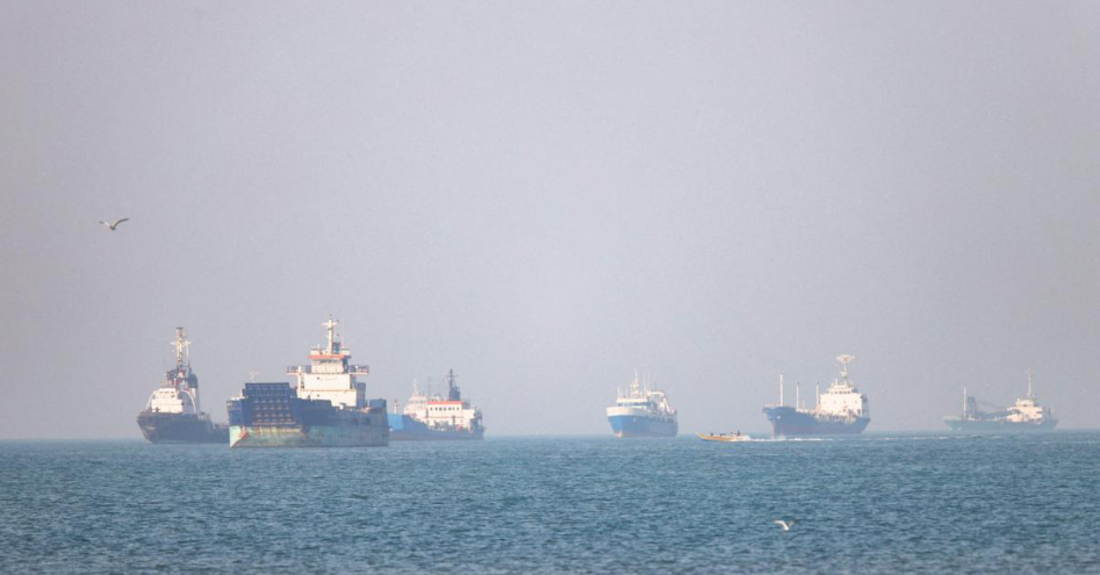

Military Dimensions of the Crisis
The situation in the Strait of Hormuz is increasingly militarized.
Recent developments include:
- Iranian warnings to foreign naval forces
- U.S.-led operations aimed at securing maritime routes
- Reports of vessel attacks and seizures
In some cases, Iran–Israel War LIVE commercial ships have been required to coordinate directly with Iranian military authorities for safe passage.
Economic Impact: Oil Markets on Edge
The implications for global energy markets are significant.
Immediate Effects
- Rising oil prices due to supply uncertainty
- Increased shipping costs and insurance premiums
- Disruptions in supply chains
Long-Term Risks
- Sustained volatility in energy markets
- Potential slowdown in global economic growth
- Increased geopolitical risk premiums
Countries heavily dependent on imported oil, including India, Iran–Israel War LIVE are particularly vulnerable to these developments.
Legal Debate: Sovereignty vs International Law
Iran’s move has sparked debate over international maritime law.
Iran’s Position
- Claims sovereign rights to regulate traffic
- Argues that security concerns justify new rules
International Perspective
- The strait is widely recognized as an international passage
- Ships are generally entitled to “transit passage” under global conventions
The tension between these positions adds another layer of complexity to the crisis.
Shipping Industry Adjustments
To adapt to the new reality, shipping companies are:
- Rerouting vessels where possible
- Delaying shipments
- Increasing reliance on alternative energy routes
However, given the strategic importance of the Strait of Hormuz, Iran–Israel War LIVE complete avoidance is not feasible.
Regional Implications
The crisis is affecting not just global trade but also regional dynamics.
Gulf Countries
- Concerned about economic impact
- Seeking diplomatic solutions
Asia
- Major energy importers like India, Iran–Israel War LIVE China, and Japan are closely monitoring developments
Europe
- Facing potential energy supply disruptions
Diplomatic Efforts and De-escalation Attempts
Amid rising tensions, Iran–Israel War LIVE diplomatic efforts are underway to prevent further escalation.
- Calls for dialogue between Iran and Western nations
- Mediation attempts by neutral countries
- Discussions on ensuring safe passage for commercial vessels
However, progress remains uncertain. 

Expert Analysis: A High-Stakes Gamble
Experts view Iran’s move as a calculated but risky strategy.
Potential Benefits for Iran
- Increased leverage in negotiations
- Demonstration of strategic control
Risks
- Escalation of military conflict
- Economic isolation
- International backlash
What Happens Next?
The situation remains fluid, Iran–Israel War LIVE with several possible scenarios:
1. Escalation
Further restrictions or military incidents could intensify the crisis.
2. Negotiated Settlement
Diplomatic efforts may lead to a framework ensuring safe passage.
3. Prolonged Standoff
A continued state of tension with periodic disruptions.
Conclusion: A Critical Moment for Global Trade and Security
Iran’s enforcement of new “sovereign” transit rules in the Strait of Hormuz marks a turning point in the ongoing Iran–Israel conflict and broader geopolitical tensions.
By mandating prior permits for vessels, Iran has asserted unprecedented control over one of the world’s most vital maritime routes. While the move may strengthen its strategic position, Iran–Israel War LIVE it also risks escalating tensions and disrupting global trade. ALSO READ:-Congress Considers Backing Vijay for ‘Secular’ Government in Tamil Nadu After Outreach 2026