


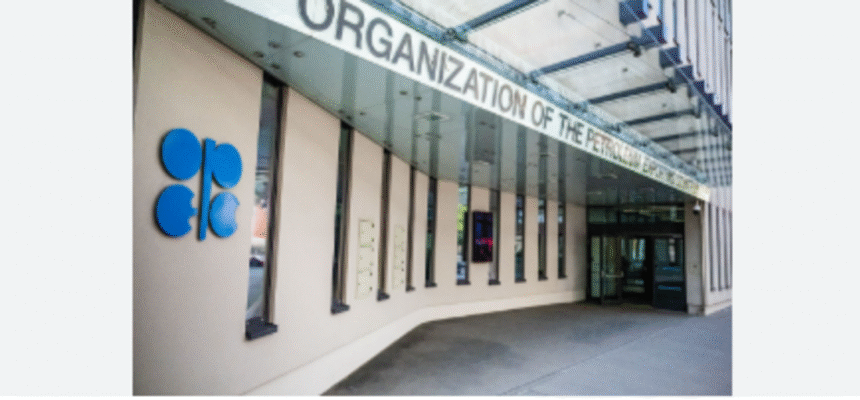
Global Oil Alliance Boosts Output Amid Market Pressures, Avoids Addressing Internal Rift
Introduction
OPEC+ Hikes Oil Production Quotas the oil-producing alliance known as OPEC+ has announced an increase in crude oil production quotas, signaling a shift in strategy as global energy markets face volatility. However, notably absent from the official communication was any mention of speculation surrounding a potential pull-out by the United Arab Emirates.
The move has raised questions about internal cohesion within the group, OPEC+ Hikes Oil Production Quotas even as it seeks to stabilize oil prices and respond to changing demand dynamics. Analysts view the decision as both a pragmatic economic step and a delicate political balancing act.
Understanding OPEC+ and Its Role
What Is OPEC+?
OPEC+ is a coalition of major oil-producing countries, OPEC+ Hikes Oil Production Quotas including members of the Organization of the Petroleum Exporting Countries (OPEC) and allied producers such as Russia.
The alliance plays a crucial role in:
- Regulating global oil supply
- Influencing crude prices
- Coordinating production policies
Why Production Quotas Matter
Production quotas are central to OPEC+ strategy. By adjusting output levels, the group can:
- Stabilize prices during market fluctuations
- Prevent oversupply or shortages
- Respond to global economic trends
The Latest Decision: Increasing Output
Details of the Production Hike
In its latest meeting, OPEC+ agreed to raise production quotas, OPEC+ Hikes Oil Production Quotas allowing member countries to pump more oil.
Key objectives include:
- Meeting rising global demand
- Preventing excessive price spikes
- Supporting economic recovery in key markets

Market Reaction
The announcement had an immediate impact on global oil markets:
- Prices showed moderate fluctuations
- Traders responded cautiously
- Analysts reassessed supply-demand projections
The UAE Factor: Silence Speaks Volumes
Speculation Over a Possible Exit
Recent reports have suggested tensions between United Arab Emirates and other members of OPEC+, particularly regarding production quotas and baseline calculations.
Some analysts have speculated that the UAE might consider leaving the alliance to pursue independent production policies.
OPEC+ Avoids the Topic
Despite these reports, the official statement from OPEC+ made no mention of the issue. This silence has been interpreted as:
- An attempt to downplay internal disagreements
- A strategy to maintain market confidence
- A sign of ongoing negotiations behind the scenes
Internal Dynamics Within OPEC+
Balancing Diverse Interests
OPEC+ comprises countries with varying economic priorities and production capacities. Balancing these interests is a constant challenge.
Key issues include:
- Disagreements over production limits
- Competition for market share
- National economic pressures
Role of Key Players
Major producers like Saudi Arabia and Russia often play a leading role in shaping decisions, OPEC+ Hikes Oil Production Quotas influencing the direction of the alliance.
Global Energy Context
Rising Demand and Economic Recovery
The decision to increase production comes amid:
- Recovery in global economic activity
- Increased energy consumption
- Seasonal demand variations
Geopolitical Factors
Geopolitical tensions also impact oil markets, influencing:
- Supply disruptions
- Trade routes
- Pricing dynamics
Implications for Oil Prices
Short-Term Effects
In the short term, higher production may:
- Ease upward pressure on prices
- Stabilize markets
- Provide relief to importing countries
Long-Term Outlook
Over the longer term, outcomes will depend on:
- Demand trends
- Geopolitical developments
- Internal cohesion within OPEC+
Impact on India and Other Importers
Energy Security Concerns
For countries like India, increased production is generally positive, OPEC+ Hikes Oil Production Quotas as it can:
- Reduce import costs
- Improve energy security
- Support economic growth
Inflation and Economy
Lower oil prices can help:
- Control inflation
- Reduce transportation costs
- Boost consumer spending
Challenges Facing OPEC+
Maintaining Unity
One of the biggest challenges for OPEC+ is maintaining unity among its members.
Adapting to Energy Transition
The global shift towards renewable energy poses a long-term challenge, requiring:
- Diversification of economies
- Strategic planning
- Investment in new technologies

Expert Analysis
Analysts’ Perspectives
Energy experts suggest that the production hike reflects a pragmatic approach to market conditions, but caution that internal tensions could resurface.
Risks and Opportunities
- Risks: Internal disagreements, market volatility
- Opportunities: Stabilized prices, improved global supply
The Road Ahead
Monitoring the UAE Situation
The stance of the United Arab Emirates will be closely watched, OPEC+ Hikes Oil Production Quotas as any significant change could impact the alliance’s stability.
Future Policy Decisions
OPEC+ is likely to continue adjusting production based on:
- Market conditions
- Economic indicators
- Member consensus
Conclusion
The decision by OPEC+ to increase oil production quotas highlights its ongoing efforts to navigate a complex and evolving energy landscape. While the move aims to stabilize markets and meet rising demand, the absence of any reference to the United Arab Emirates pull-out speculation underscores the delicate internal dynamics within the group.
As global energy markets continue to evolve, OPEC+ Hikes Oil Production Quotas the ability of OPEC+ to maintain cohesion and respond effectively to challenges will be crucial. For now, the alliance appears focused on projecting stability—but underlying tensions remain an important factor to watch. ALSO READ:-TMC Alleges Unauthorised Sorting of Postal Ballot Covers, Files Complaint with ECI 2026