




Introduction: A High-Stakes Warning From Washington
Trump Warns Iraq Against In a highly visible intervention in Iraqi politics, U.S. President Donald Trump has issued a sharp warning to Baghdad that the United States may withdraw its support if Nouri al-Maliki, Iraq’s controversial former prime minister, Trump Warns Iraq Against is reinstated to power. Trump’s warning — framed in unequivocal language — reflects deep U.S. concerns over Tehran’s growing influence in Iraq and a broader strategic contest for influence in the Middle East.
Trump’s public pronouncement comes at a tense moment for both nations. Iraq is struggling to form a stable government after recent elections, and its internal politics have become a focal point of regional rivalry involving Washington and Iran. Meanwhile, the U.S. is considering stronger responses to Iranian influence and aggressive diplomacy across the Middle East, marking a new phase in American foreign policy under Trump.
Who Is Nouri al-Maliki?
Nouri al-Maliki served as Iraq’s prime minister from 2006 to 2014, making him the longest-serving head of the Iraqi government in the post-Saddam Hussein era. His tenure was marked by profound challenges — sectarian tensions, insurgent violence, and political polarization. Initially welcomed by the United States, Trump Warns Iraq Against al-Maliki’s relationship with Washington deteriorated over time.
Critics accuse al-Maliki of favoring Shiite factions in government appointments and marginalizing Sunni and Kurdish communities. These policies contributed to sharp internal divisions and are widely seen as having weakened Iraq’s national cohesion. U.S. officials also blamed his leadership failures for creating conditions that allowed the Islamic State (ISIS) to grow and capture large swaths of Iraqi territory in 2014.
Despite this, al-Maliki has remained an influential political figure in Iraq. He leads the State of Law Coalition and continues to hold considerable support from elements within the Shiite political bloc known as the Coordination Framework — which recently nominated him for prime minister once again.
Trump’s Warning: “A Very Bad Choice”
On January 27, 2026, President Trump took to his social media platform to denounce al-Maliki’s potential return as a “very bad choice” for Iraq. He criticized the former premier’s previous leadership, asserting that the country “descended into poverty and total chaos” during his time in office. Trump vowed that if al-Maliki were elected again, Trump Warns Iraq Against the United States would cease its support for Iraq’s government.
Trump’s remarks were forceful:
“Because of his insane policies and ideologies, if elected, the United States of America will no longer help Iraq … If we are not there to help, Iraq has ZERO chance of success, prosperity, or freedom.”
This declaration was not merely rhetorical — it underscored the depth of U.S. concern that al-Maliki’s leadership could tilt Iraq further toward Iranian influence and away from American interests in the region.
Background: Iraq’s Political Deadlock
Iraq’s recent parliamentary elections in November 2025 produced a fragmented result that left no clear majority. The outgoing caretaker prime minister, Mohammed Shia al-Sudani, failed to build a governing coalition, Trump Warns Iraq Against clearing the way for al-Maliki as an alternative candidate backed by the Coordination Framework.
The Coordination Framework is a coalition of mainly Shiite political parties, Trump Warns Iraq Against many of which maintain ties to Iranian-aligned groups. This has stoked anxiety in Washington, which sees Iranian influence as a strategic threat to U.S. interests in the region.
Iraq’s political system — based on sectarian power-sharing among Shiite, Sunni, and Kurdish factions — has historically made governance complex and fragile. This complexity has increased as external powers, Trump Warns Iraq Against including the U.S. and Iran, attempt to shape the country’s political future. 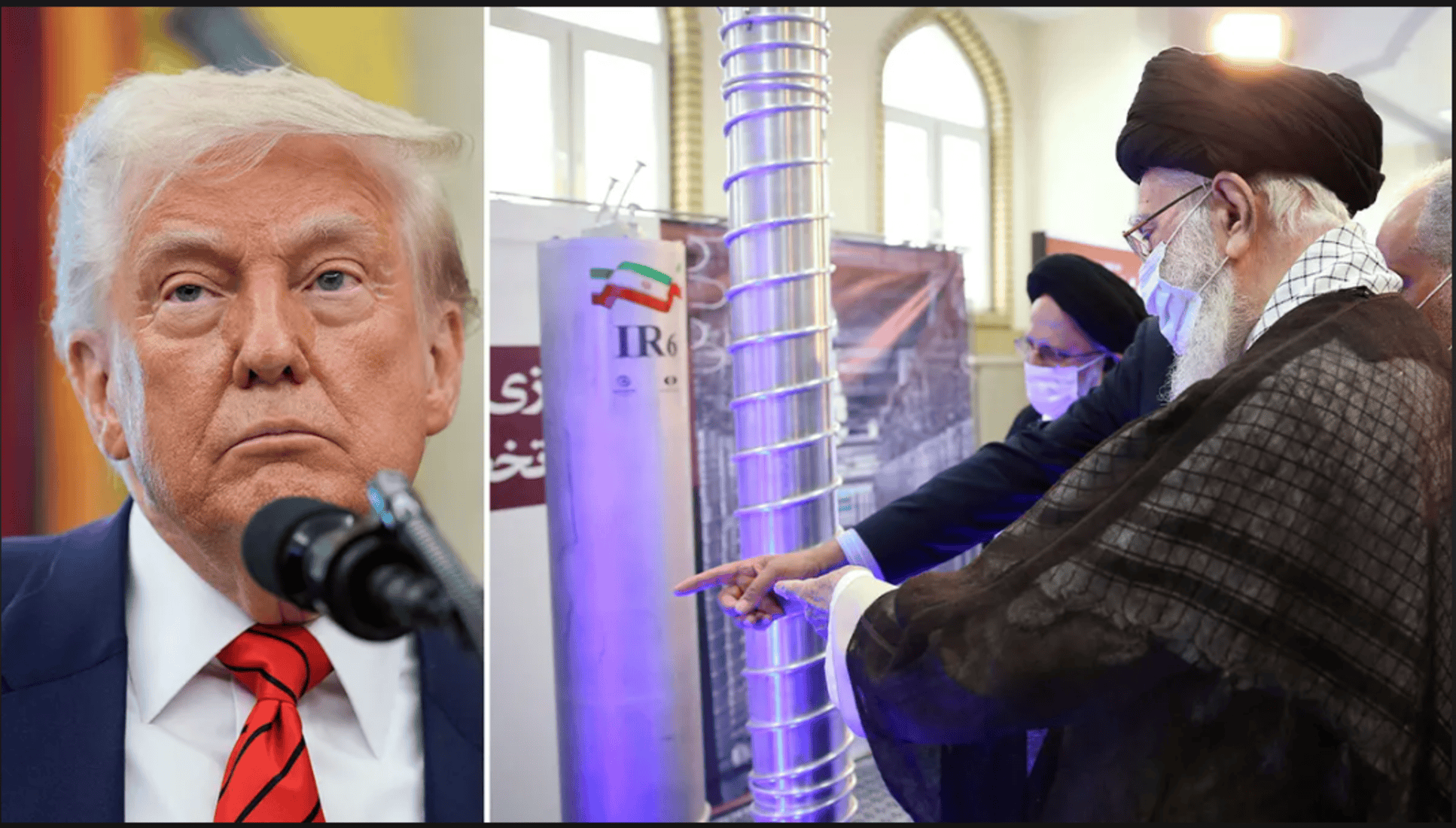 watch video for more info
U.S. Concerns Over Iranian Influence
One of the central reasons for Trump’s warning lies in fears that an al-Maliki premiership would reinforce Iran’s influence in Iraqi politics. Iran has cultivated deep relationships with many Shiite leaders in Iraq since the 2003 U.S. invasion that toppled Saddam Hussein. Tehran’s influence extends into political parties, Trump Warns Iraq Against militia groups, and socio-religious networks.
U.S. officials argue that a government increasingly aligned with Iran might compromise Iraq’s sovereignty. Washington contends that such influence could drag Iraq into broader regional conflicts, Trump Warns Iraq Against undermine efforts to counter extremist groups, and disrupt cooperation between Baghdad and Washington on security and economic issues.
The Trump administration has also increased pressure on Baghdad to disarm Iran-aligned militias operating within Iraq — a move that has proven politically sensitive, given the militia groups’ strength and their backing by segments of the Iraqi population.
Where Washington’s Policy Stands
The U.S. position, as articulated by Trump and echoed by other officials, Trump Warns Iraq Against is that Baghdad must choose a leadership committed to national unity and independent governance, rather than one perceived as a proxy for Tehran. Washington maintains that continued American support — including security cooperation and economic assistance — hinges on Iraq’s leadership decisions.
U.S. Secretary of State Rubio reportedly emphasized to Iraqi leaders that a government perceived as controlled by Iran would struggle to prioritize Iraq’s own interests or maintain balanced diplomatic relations. This message signals a broader U.S. strategy aimed at counter-balancing Iran’s regional influence.
Al-Maliki’s Response and Iraqi Sovereignty
Al-Maliki and his supporters have pushed back against what they view as foreign interference in Iraq’s internal affairs. In public comments following Trump’s warning, Trump Warns Iraq Against al-Maliki accused the United States of overstepping and emphasized Iraq’s sovereign right to choose its leadership through domestic political processes.
Iraqi nationalists and political analysts argue that foreign pressure, Trump Warns Iraq Against particularly from the U.S., could undermine Iraqi democratic norms and fuel resentment among citizens who feel their electoral choices are being dictated by external powers.
These critics also highlight that Iraqi politics has always been a balancing act between rival regional powers — a legacy of the country’s complex sectarian makeup and its strategic location between Iran and the broader Arab world.
Historical Context: al-Maliki’s Earlier Premiership
To fully understand the stakes, it’s essential to review al-Maliki’s earlier tenure as prime minister:
-
Sectarian Governance: Critics say al-Maliki’s policies disproportionately favored Shiite factions over Sunni and Kurdish groups, exacerbating internal tensions.
-
Rise of ISIS: His second term saw the 2014 collapse of large parts of northern Iraq to ISIS, a moment that exposed serious weaknesses in Iraq’s security apparatus.
-
Relations with the U.S.: Initially embraced by Washington, al-Maliki fell out of favor as his leadership style and sectarian policies strained cooperation with U.S. policymakers.
Despite these challenges, al-Maliki has sustained political relevance in Iraq’s fractured political landscape. His return to prominence underscores ongoing divisions within Iraq over governance and national identity.
Regional Repercussions
Trump’s warning is not merely a bilateral issue between the U.S. and Iraq — it has broader implications for the Middle East. Iran, long at odds with U.S. policy in the region, Trump Warns Iraq Against has cultivated alliances with several Iraqi political parties and militia networks. Tehran views Iraq as a critical geopolitical ally and a buffer against Western and Gulf Arab influence.
Should Iraq shift decisively toward Iran’s orbit, Trump Warns Iraq Against the balance of power in the region could be affected, with potential consequences for conflicts in Syria, Lebanon, and Yemen, and for U.S. strategic interests in the Gulf.
At the same time, other regional players — including Saudi Arabia and the Gulf Cooperation Council states — watch Iraq’s political developments closely, given their own concerns about Iranian expansionism and influence. 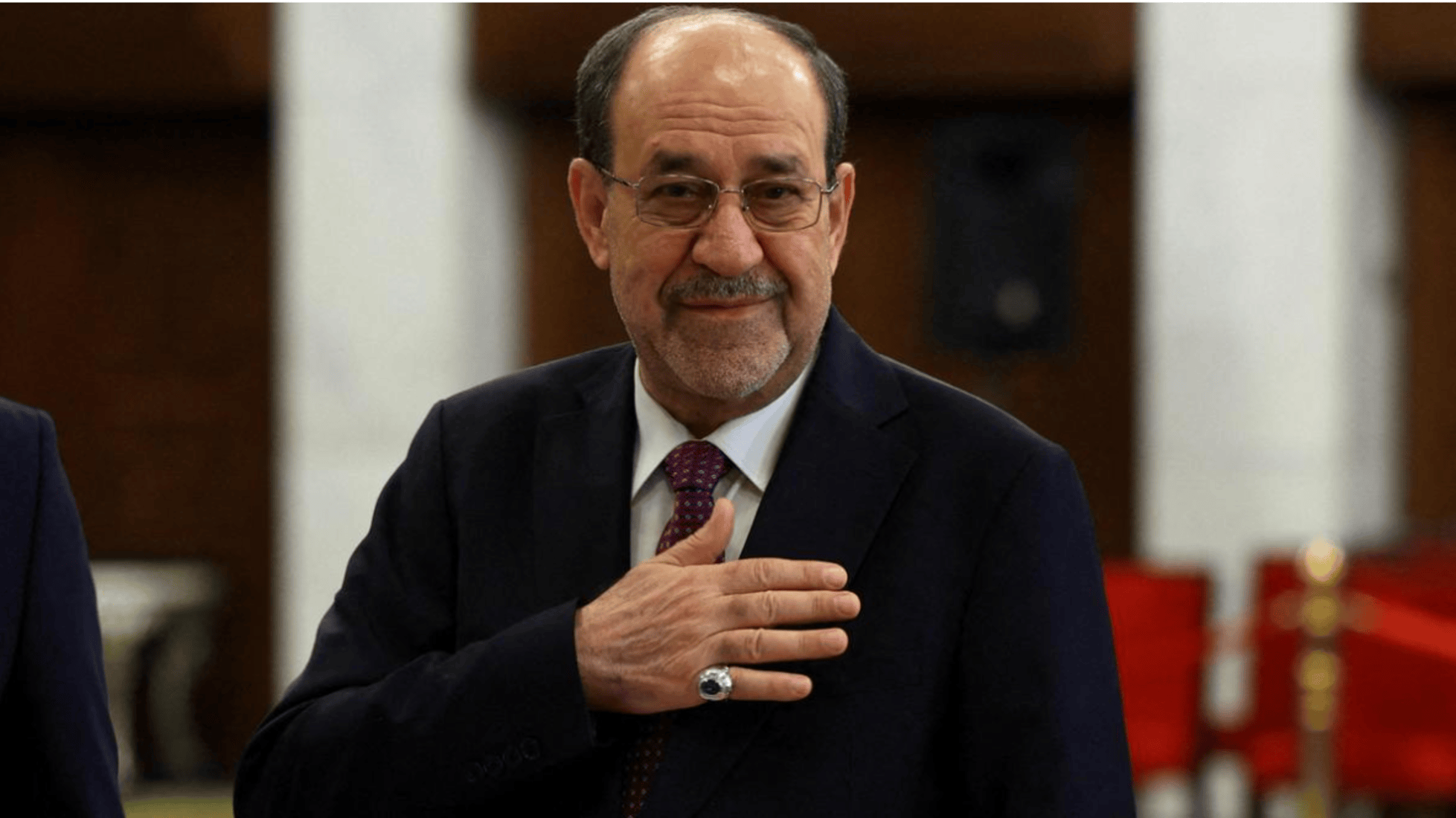 watch video for more info
International Reactions and Diplomatic Dynamics
The international community has varied responses to the U.S. warning. Some Western allies express concern that American pressure could destabilize Iraq’s delicate political process. Others agree with Washington’s assessment of Iranian influence but urge diplomatic engagement over public threats.
Humanitarian and diplomatic organizations warn that continued political instability in Iraq could stall reconstruction efforts, Trump Warns Iraq Against jeopardize economic recovery, and delay the delivery of essential services. Iraq already faces significant challenges, including unemployment, infrastructure deficits, and the ongoing need to rehabilitate areas liberated from extremist control.
What Happens Next in Iraq?
As of now, Iraq’s political future remains uncertain. Negotiations to form a government are ongoing, and the position of prime minister is still contested. The Coordination Framework’s nomination of al-Maliki has energized his supporters, but U.S. opposition creates a significant diplomatic hurdle.
Trump’s warning has put additional pressure on Iraqi political elites to consider how their choices will affect the country’s international relationships and security partnerships. With major powers watching closely, Trump Warns Iraq Against decisions made in Baghdad could shape Iraq’s trajectory for years to come — either toward broader regional alignment with Tehran or deeper partnership with Washington and its allies.
Conclusion: A Pivotal Moment for Iraq’s Sovereignty
President Donald Trump’s warning against the return of Nouri al-Maliki as Iraq’s prime minister highlights a profound geopolitical crossroad. Caught between Iran’s influence and American strategic interests, Iraq’s leadership decisions now carry weight well beyond national borders.
For Washington, maintaining influence in Iraq and curbing Tehran’s reach are central to its Middle East strategy. For Baghdad, the challenge is balancing foreign pressure with internal political autonomy and the pursuit of national stability.
As negotiations continue and political blocs maneuver for power, Iraq’s future governance — and the role of figures like al-Maliki — will be watched closely by capitals across the globe. The unfolding developments stand to shape not just Iraqi domestic politics, but the broader geopolitical landscape of the Middle East. ALSO READ:- Why Ukraine’s President Volodymyr Zelenskyy Is Under Growing Pressure: Five Key Factors 2025