





Introduction
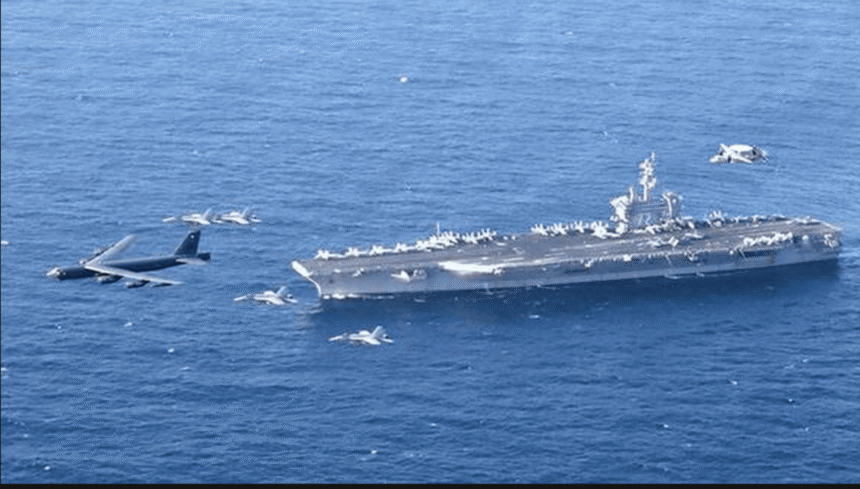
Military drills United States has announced plans to conduct a large-scale, multi-day Military drills in West Asia, a region that has long been a focal point of global geopolitics, security concerns, and strategic rivalries. The exercise comes at a time when tensions remain elevated due to ongoing conflicts, maritime security challenges, and shifting alliances across the Middle East and surrounding regions. According to U.S. defense officials, the drills aim to enhance military readiness, strengthen cooperation with regional allies, and deter potential threats that could destabilize the region.
West Asia, often referred to as the Middle East, is home to some of the world’s most critical energy routes, key U.S. allies, and flashpoints involving state and non-state actors. Against this backdrop, the announcement of a multi-day U.S. Military drills has drawn international attention, with analysts examining its potential impact on regional stability, diplomatic relations, and global security dynamics.
This article explores the objectives, scope, participants, strategic significance, and broader implications of the upcoming U.S. military exercise in West Asia.
Overview of the Planned Military Exercise
The U.S. Department of Defense has confirmed that the exercise will span several days and involve multiple branches of the American armed forces, including the Army, Navy, Air Force, and Marine Corps. The drills are expected to take place across land, air, Military drills and maritime domains, emphasizing joint and combined operations with partner nations in the region.
While specific operational details have not been fully disclosed for security reasons, officials stated that the exercise would include simulated combat scenarios, air defense drills, naval maneuvers, intelligence-sharing operations, Military drills and logistical coordination. Such exercises are designed to test rapid response capabilities and improve interoperability between U.S. forces and allied militaries.
The Pentagon has emphasized that the exercise is defensive in nature and part of routine military engagement, rather than a direct response to any single event.
Participating Countries and Regional Partners
The exercise is expected to involve several U.S. allies and partner nations in West Asia. While the Pentagon has not officially released a full list of participating countries, Military drills previous exercises in the region have included nations such as Saudi Arabia, the United Arab Emirates, Bahrain, Jordan, Kuwait, and Qatar.
Some NATO partners and allied naval forces operating in nearby waters may also take part or observe portions of the drills. The participation of regional partners reflects Washington’s broader strategy of collective security, Military drills where shared threats are addressed through coordinated military planning and joint training.
By involving multiple countries, Military drills the exercise aims to send a message of unity and readiness, reinforcing existing security partnerships and building trust among allied forces. 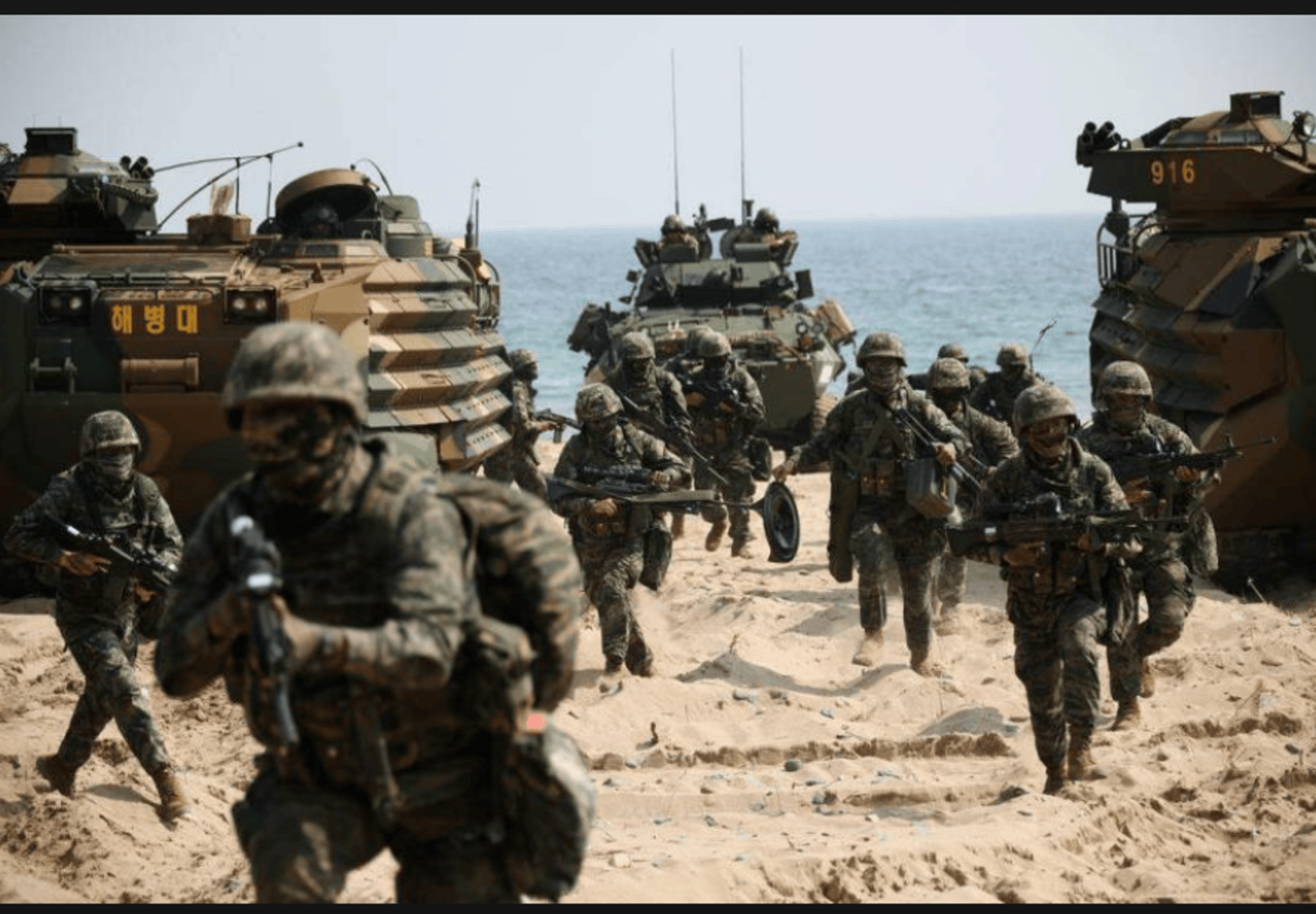 watch video for more info
Strategic Importance of West Asia for the United States
West Asia holds immense strategic importance for the United States due to several factors:
Energy Security
The region contains a significant portion of the world’s oil and natural gas reserves. Stability in West Asia is crucial for global energy markets and economic security. U.S. military presence and exercises help ensure the free flow of energy resources through critical chokepoints like the Strait of Hormuz.
Counterterrorism Efforts
Despite major setbacks to extremist organizations in recent years, terrorist networks continue to operate in parts of the region. U.S. military exercises often include counterterrorism components, Military drills focusing on intelligence coordination, rapid deployment, and special operations.
Protection of Allies
The U.S. maintains longstanding defense commitments to several countries in West Asia. Military exercises help reassure allies of Washington’s commitment to their security, especially in the face of missile threats, Military drills drone attacks, and regional rivalries.
Geopolitical Competition
West Asia has become a theater of competition among major powers. The U.S. seeks to maintain its influence while countering the growing presence of rival nations that are expanding their diplomatic, Military drills economic, and military footprints in the region.
Key Objectives of the Military Exercise
According to U.S. defense officials, the upcoming exercise has several core objectives:
-
Enhancing Readiness: Testing the ability of U.S. forces to deploy rapidly and operate effectively in complex environments.
-
Improving Interoperability: Ensuring seamless coordination between U.S. and allied forces during joint operations.
-
Strengthening Air and Missile Defense: Simulating responses to aerial threats, Military drills including missiles and unmanned aerial systems.
-
Maritime Security: Protecting vital sea lanes and conducting naval patrol drills to deter hostile actions.
-
Deterrence: Demonstrating military capability to discourage potential adversaries from aggressive actions.
These objectives align with Washington’s broader defense strategy in the region, Military drills which prioritizes preparedness and partnership.
Regional Security Context and Rising Tensions
The announcement of the exercise comes amid ongoing regional challenges, including conflicts, Military drills proxy tensions, and security incidents. Maritime incidents in strategic waterways, cross-border strikes, and concerns over missile proliferation have heightened the security environment.
While U.S. officials insist that the exercise is not targeted at any specific country, Military drills analysts note that military drills often carry symbolic significance. They can serve as signals of resolve, particularly during periods of heightened uncertainty.
At the same time, such exercises can raise concerns among neighboring states, Military drills potentially leading to increased military posturing or diplomatic reactions.
Reactions from Regional and Global Actors
Regional Allies
U.S. allies in West Asia have largely welcomed the exercise, Military drills viewing it as a sign of continued American engagement in regional security. For many partner nations, joint drills provide valuable training opportunities and access to advanced military tactics and technologies.
Neighboring States
Some regional actors have expressed caution, emphasizing the need to avoid escalation and calling for diplomatic solutions to ongoing disputes. Military exercises, while routine, Military drills can sometimes be perceived as provocative depending on the broader geopolitical climate.
International Community
Global reactions have been mixed, Military Exercise with some countries emphasizing the importance of stability and others urging restraint. International observers continue to monitor how such military activities affect diplomatic efforts in the region.
U.S. Military Presence in West Asia
The United States has maintained a military presence in West Asia for decades, including bases, naval fleets, and rotational deployments. This presence has evolved over time, Military drills shifting from large-scale ground deployments to a more flexible and partnership-driven approach.
Exercises such as the upcoming multi-day drills are part of this evolution. They allow the U.S. to maintain readiness without permanent troop increases, while still fulfilling its security commitments.
Potential Risks and Criticism
Despite official assurances, U.S. military exercises in West Asia are not without criticism. Some analysts argue that large-scale drills can heighten tensions and increase the risk of miscalculation. Others question whether continued military engagement aligns with long-term regional stability and diplomatic goals.
There are also concerns about civilian impact, Military drills environmental effects, and the financial cost of sustained military activities. Critics advocate for greater emphasis on diplomacy, conflict resolution, and regional dialogue. 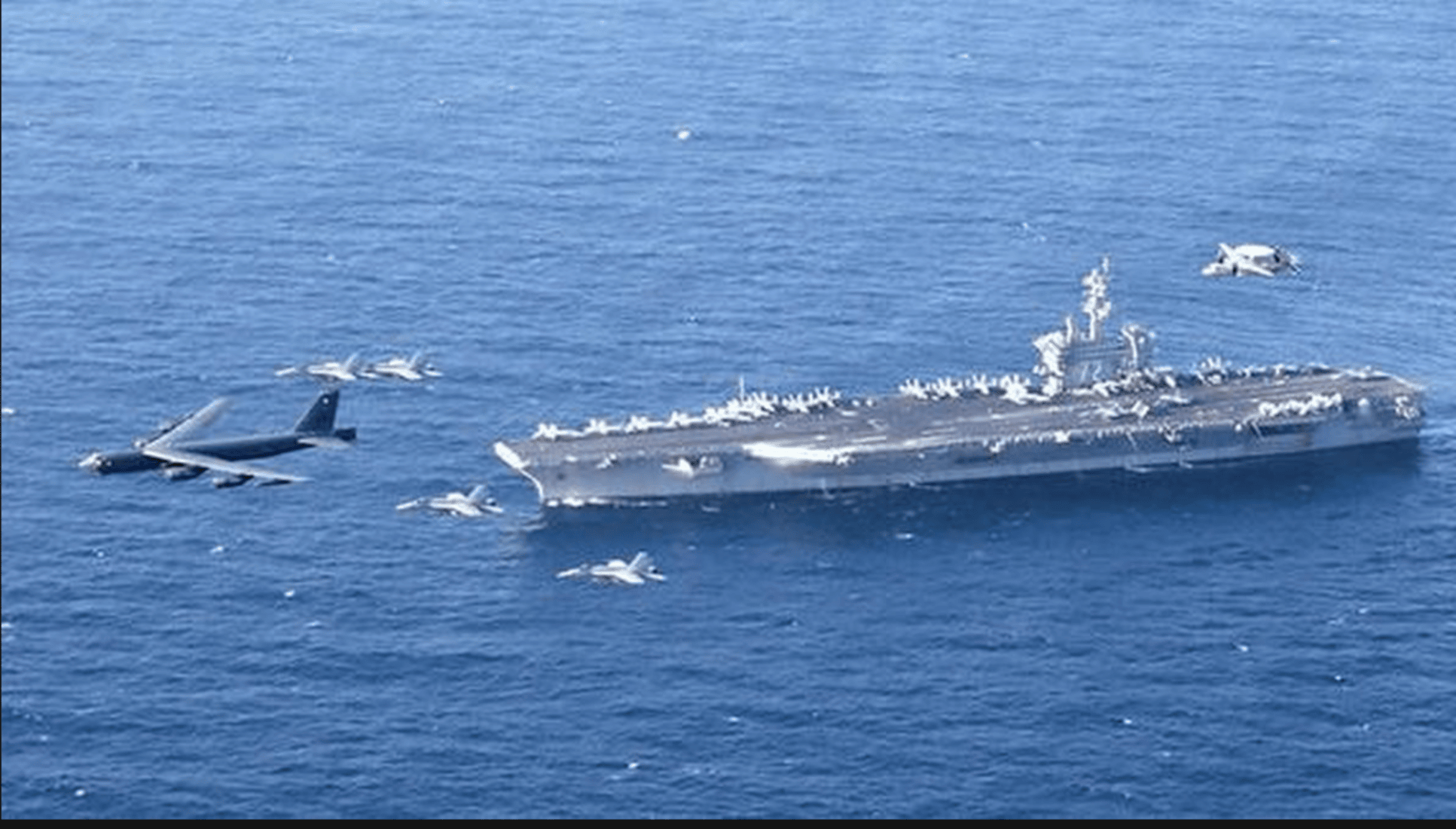 watch video for more info
Balancing Military Power and Diplomacy
U.S. officials have repeatedly stressed that military exercises are only one component of a broader strategy that includes diplomacy, economic engagement, Military drills and multilateral cooperation. Washington continues to engage with regional partners through diplomatic channels to address conflicts and promote de-escalation.
The challenge lies in balancing deterrence with dialogue—demonstrating strength while avoiding actions that could undermine peace efforts.
Implications for Regional Stability
The upcoming exercise is likely to have both short-term and long-term implications:
-
Short-term: Enhanced readiness and reassurance for U.S. allies.
-
Medium-term: Potential recalibration of regional military postures.
-
Long-term: Influence on how power dynamics and security arrangements evolve in West Asia.
Whether the exercise contributes to stability or fuels further tensions will depend largely on how it is conducted and how regional actors respond.
Conclusion
The U.S. decision to conduct a multi-day military exercise in West Asia underscores the region’s continued strategic importance in global security calculations. As tensions persist and geopolitical rivalries evolve, Military drills such exercises remain a key tool for maintaining readiness, strengthening alliances, and deterring threats.
While officially framed as routine and defensive, the drills carry broader political and strategic significance. They highlight Washington’s intent to remain an active security player in West Asia, Military drills even as it balances military engagement with diplomatic initiatives.
As the exercise unfolds, regional and global observers will closely watch its execution and aftermath, seeking clues about the future trajectory of security and stability in one of the world’s most complex and consequential regions. ALSO READ:- IndiGo Flight Cancellations LIVE: Day 5 of Disruptions Leaves Thousands of Passengers Stranded 2025