


Introduction
Iran Walks a Tightrope stands at a critical geopolitical crossroads, balancing its pursuit of diplomatic engagement with its deep-seated focus on deterrence and national security. Tehran is navigating an extraordinarily complex international environment—pressured by Western powers over its nuclear ambitions, confronting regional rivals, and grappling with internal socio-economic challenges. The strategy it adopts will have profound implications not only for the Middle East but for global security, energy markets, and geopolitical alignments.
Over recent years, Iran’s foreign policy has exhibited a duality: on the one hand, signaling openness to negotiations, particularly related to its nuclear program; and on the other, reinforcing its military and deterrent capabilities to stave off perceived threats. This tightrope walk reflects Tehran’s attempt to secure its sovereignty while maximizing leverage in dealings with global powers, especially the United States and its regional adversaries.
Historical Context: From Revolution to Realpolitik
Since the 1979 Islamic Revolution, Iran’s foreign policy has been shaped by its ideological opposition to Western dominance—especially that of the United States—and its aim to become a central power in the Middle East. Over the decades, Tehran has invested heavily in building regional networks of influence, sometimes referred to as the “Axis of Resistance,” comprising allied groups in Lebanon, Iraq, Syria, and Yemen.
Simultaneously, Iran’s nuclear program has evolved from civilian energy ambitions to a geopolitical thorn in relations with the West. While Tehran insists its nuclear activities are peaceful, other countries perceive them as a pathway to nuclear weaponization. Efforts to resolve the standoff have included past agreements like the 2015 Joint Comprehensive Plan of Action (JCPOA), which curbed Iran’s enrichment in exchange for sanction relief—but these agreements have repeatedly faltered.
Diplomacy with the West: Negotiations and Hesitation
In recent months, Iran has returned to diplomatic channels with the United States and other powers, partly to ease sanctions and partially to reduce the risk of military confrontation. Tehran’s willingness to engage—including its openness to reduce enriched uranium stockpiles under certain conditions—indicates a pragmatic streak. However, it also insists on sovereign rights to enrichment and rejects unilateral pressure.
Iran’s foreign minister, Abbas Araghchi, has echoed this approach, stressing Tehran’s openness to diplomacy while warning against coercion. According to statements by Araghchi, Iran remains ready to negotiate without sacrificing core national interests, and has reaffirmed its readiness to respond forcefully if physically threatened.
This diplomatic flexibility is not a simple capitulation; rather, it is a calculated attempt to obtain relief from crippling economic sanctions that have worsened internal strains and hindered Iran’s development.
Economic Struggles and Internal Pressures
Iran’s economy has been severely damaged by long-standing sanctions, regional conflict, and structural weaknesses. The 2025 military escalation with Israel—marked by strikes on Iranian infrastructure and a significant drop in oil exports—exposed vulnerabilities and deepened economic woes. During the conflict, oil exports temporarily plummeted, costing Iran billions in lost revenue and widening fiscal deficits.
These pressures have fueled domestic unrest, with protests over inflation and unemployment placing further stress on the regime. The government’s response has included increased repression, reflecting efforts to shore up control amid mounting economic hardship.
Faced with these internal challenges, diplomacy becomes not just a strategic choice, but a potential necessity to secure sanctions relief and avert further economic decline. 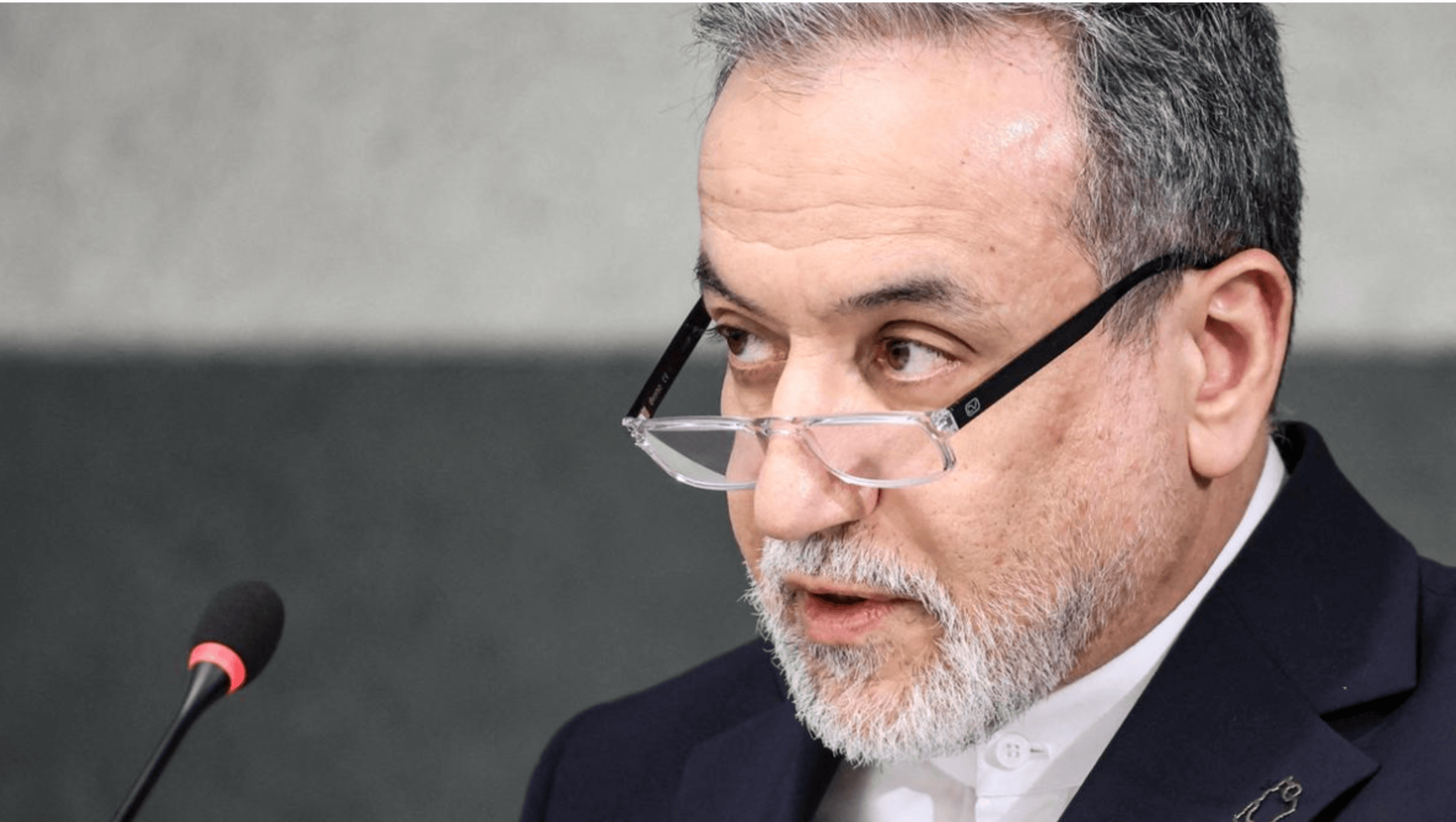 watch video for more info
Deterrence and Military Strategy
Despite diplomatic overtures, Tehran continues to invest heavily in deterrence capabilities. Its ballistic missile program—one of the largest in the Middle East—is central to this strategy, aimed at countering the conventional superiority of adversaries such as the United States and Israel. These capabilities are further reinforced by alliances with proxy forces and asymmetric warfare tools designed to impose costs on potential attackers.
Iran’s sharp warning to the United Nations that it would respond “decisively” to any military aggression underscores this deterrent posture. Tehran emphasized that while it does not seek war, Iran Walks a Tightrope it will consider hostile bases and assets in the region legitimate targets if attacked.
The acquisition of advanced weapons systems remains a priority. In recent developments, Iran has been reported to be nearing a deal with China to acquire supersonic anti-ship missiles—signaling deepening military ties with Beijing and a potential shift in the regional balance.
Nuclear Program: Between Ambiguity and Assertiveness
Iran’s nuclear program remains at the heart of its diplomatic and deterrence balance. Tehran claims peaceful intentions, but the enrichment of uranium near weapons-grade levels continues to alarm Western powers and regional rivals alike. The Iranian leadership has linked its nuclear activities to national security, Iran Walks a Tightrope rejecting demands for zero enrichment and instead seeking recognition of its sovereign rights under the Nuclear Non-Proliferation Treaty (NPT).
Opponents of Iran’s nuclear ambitions fear that advancing enrichment capabilities bring Tehran closer to a breakout threshold—beyond which weaponization becomes more feasible. Whether Iran’s leaders genuinely seek nuclear weapons or prefer a “virtual deterrent”—whereby the capability exists without actual weaponization—remains a debated issue. However, this ambiguity provides Iran with leverage in negotiations by keeping adversaries uncertain about its intentions. 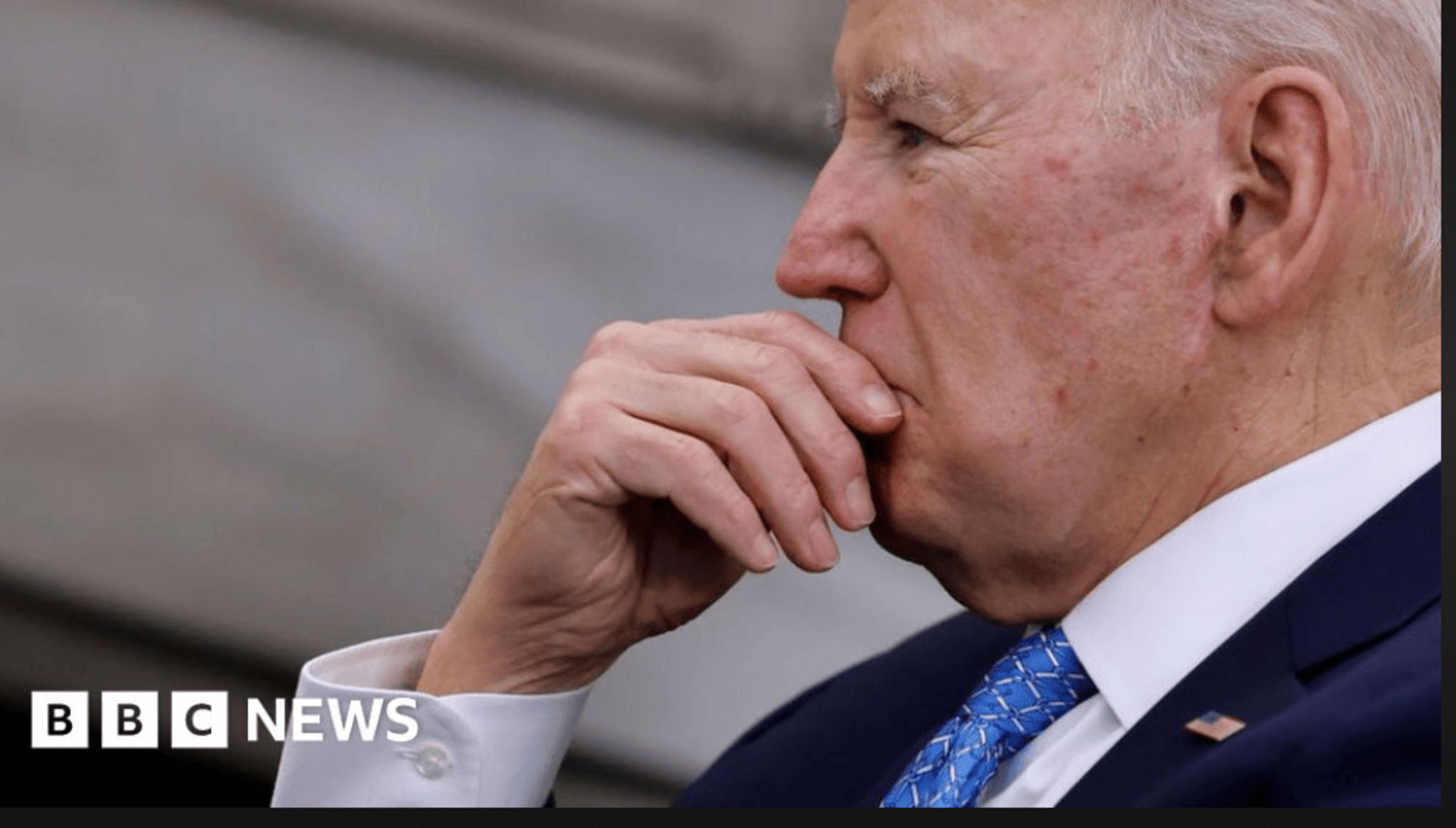 watch video for more info
Regional Tensions: Israel, Gulf States, and Gulf Security Architecture
Iran’s relationships with regional neighbors further complicate its tightrope diplomacy. The normalization of ties between Israel and several Gulf states—particularly under the Abraham Accords—has created a regional security dynamic that Tehran views as hostile and exclusionary. Iran’s leadership fears encirclement and increased cooperation between Israel and Gulf partners on intelligence and military fronts.
Israel, in turn, regards Iran’s regional posture and missile capabilities as existential threats. Frequent military exchanges and mutual deterrent signaling underscore the fragility of peace in the region, Iran Walks a Tightrope with intermittent escalations creating flashpoints that risk broader war.
The Gulf Cooperation Council (GCC) and other regional actors have sought to manage tensions through careful diplomacy, preserving stability while hedging against potential escalation. This backdrop shapes Tehran’s external calculations, where deterrence is meant to prevent conflict even as diplomatic openings are pursued.
Great Power Rivalries and Strategic Partnerships
Iran’s geopolitical positioning is also influenced by broader global rivalries. As the United States maintains pressure through military deployments and diplomatic negotiations, Iran seeks support from other major powers. Russia and China, in particular, have deepened cooperation with Tehran, Iran Walks a Tightrope providing military technology and economic partnerships that offer Tehran alternate avenues of engagement beyond the West.
China’s indirect support through arms cooperation and sustained energy trade alleviates some economic strain on Iran, Iran Walks a Tightrope while Russia’s role as a strategic partner provides geopolitical cushioning. These relationships help Tehran resist unilateral pressure and resist isolation, Iran Walks a Tightrope strengthening its deterrence posture even as it remains open to negotiation.
The Tightrope: Risks and Opportunities
Iran’s balancing act carries serious risks. The combination of military buildup and diplomatic engagement sends mixed signals that can be misinterpreted, increasing the danger of accidental escalation. Meanwhile, Iran Walks a Tightrope unresolved nuclear disputes and persistent mistrust between Tehran and Western powers—particularly the United States—threaten to derail negotiation efforts.
Yet there are opportunities. Diplomatic engagement offers pathways to easing economic sanctions and stabilizing the region, while deterrence provides Iran with the leverage necessary to negotiate from a position of perceived strength rather than weakness.
Conclusion: A Calculated Gamble
Iran’s strategy of walking a tightrope between diplomacy and deterrence represents a calculated gamble aimed at securing its sovereignty, preserving regime stability, and maximizing its strategic options. By engaging in negotiations while maintaining robust deterrent capabilities, Tehran seeks to balance competing pressures from global powers and regional adversaries. ALSO READ:- India’s Permanent Contribution to the World Community’s Agenda Is of Enormous Importance to Us: Antonio Guterres 2026