



1. The Latest: Dhaka’s Demand for Hasina’s Return
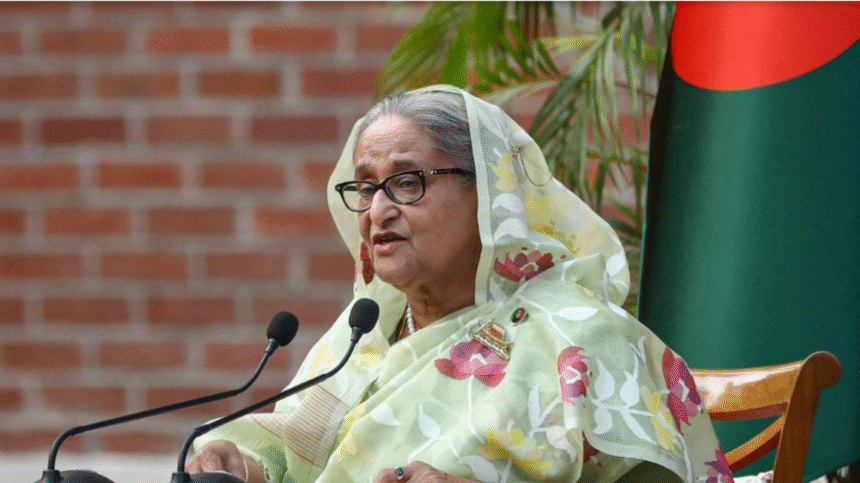
Bangladesh Urges India to Extradite Hasina In a dramatic escalation of tensions between Dhaka and New Delhi, Bangladesh’s interim government has formally sent a letter to India calling for the extradition of former Prime Minister Sheikh Hasina. The request comes on the heels of a landmark verdict by Bangladesh’s International Crimes Tribunal (ICT-BD), which handed Hasina a death sentence in absentia, citing “crimes against humanity” related to last year’s violent student uprising.
According to Touhid Hossain, the Foreign Affairs Adviser of Bangladesh’s interim administration, the letter was dispatched just days after the tribunal’s verdict.Dhaka argues that under a bilateral extradition treaty between the two countries, India is obliged to facilitate Hasina’s return.
2. The Tribunal Verdict That Sparked the Crisis
On November 17, 2025, the Special International Crimes Tribunal of Bangladesh announced its decision: Sheikh Hasina, now 78 and living in India, was found guilty of orchestrating mass violence during a widespread student-led protest in July–August 2024. Alongside her, Bangladesh Urges India to Extradite Hasina former Home Minister Asaduzzaman Khan Kamal was also sentenced to death.
Bangladesh’s Foreign Ministry strongly framed the tribunal verdict as more than just legal — it is a moral and diplomatic demand. They say offering refuge to Hasina, who they call a “convicted fugitive,” would be “a grave act of unfriendly conduct” and “a travesty of justice.”
According to Dhaka, India’s failure to act would not just be a diplomatic snub but a violation of its treaty obligations.
3. India’s Measured Response
India’s Ministry of External Affairs (MEA) has responded with caution. While New Delhi says it has “noted” the tribunal’s verdict, it has not publicly committed to extraditing Hasina.
In its statement, the MEA reiterated India’s commitment to peace, democracy, inclusion, and stability in Bangladesh, framing its approach as “constructive engagement” rather than a direct legal response.
This careful response reflects the diplomatic tightrope India now walks: balancing treaty obligations, regional stability, Bangladesh Urges India to Extradite Hasina and long-term strategic relations with Bangladesh. 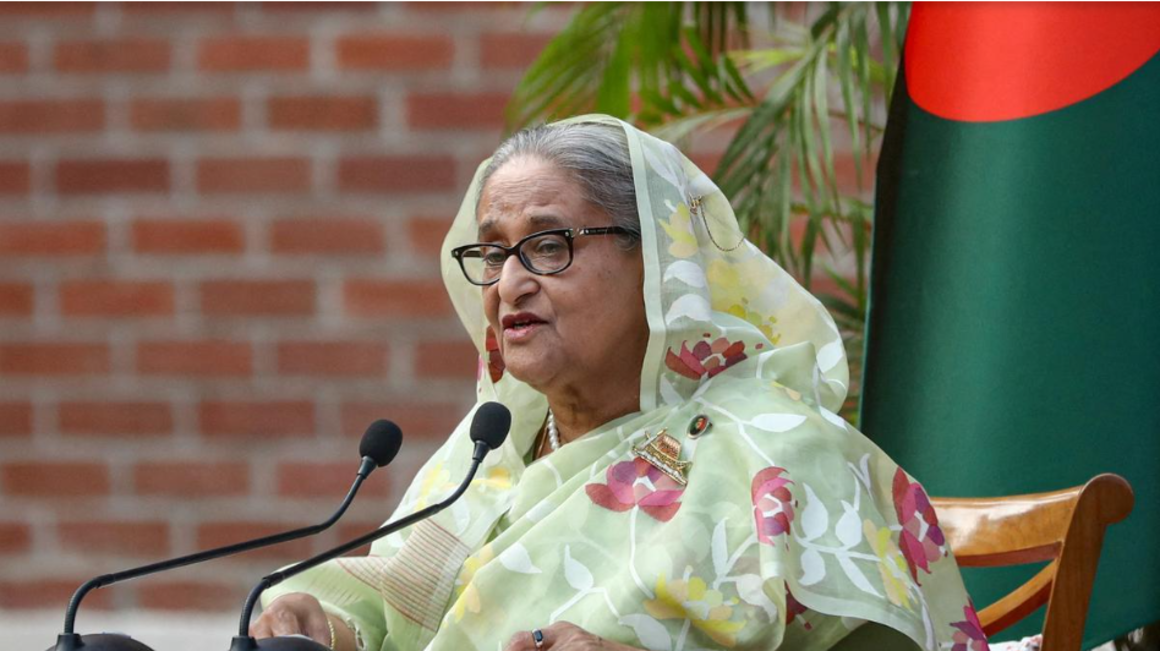 FORE MORE INFORMATION
4. Hasina’s Defense: “Rigged Tribunal”
Sheikh Hasina has denounced the tribunal’s ruling as politically motivated. In her own statement, she labeled the court a “rigged tribunal established and presided over by an unelected government” that lacks democratic legitimacy.
She has also questioned the fairness of the trial and called the verdict part of a larger effort by her political opponents — including the interim government — to permanently sideline her and her party, the Awami League.
Hasina has floated the idea of taking her case to the International Criminal Court (ICC) in The Hague, arguing that she deserves a fair trial before an impartial, international judicial forum.
5. Legal Basis: The Extradition Treaty
At the heart of Dhaka’s demand lies a bilateral extradition treaty between Bangladesh and India, signed in 2013. According to Bangladesh Urges India to Extradite Hasina foreign ministry, the treaty imposes a “mandatory obligation” on India to return Hasina given her conviction.
In its demand letter, Dhaka has framed the issue not merely as political, but as a legal duty arising from this treaty.
However, critics question how simple or straightforward this process will be in practice. Extradition — especially in politically fraught cases involving high-profile leaders, in absentia trials, Bangladesh Urges India to Extradite Hasina and capital punishment — is rarely just a matter of legal paperwork.
6. Political Stakes & Regional Implications
The extradition demand is resonating far beyond the courtrooms of Dhaka — it is a geopolitical flashpoint with deep implications for India-Bangladesh relations.
-
Political Stability in Bangladesh: The interim government, led by Nobel Laureate Muhammad Yunus, sees prosecuting Hasina as central to its legitimacy and narrative of accountability.
-
Bilateral Ties Under Strain: Historically, India under Hasina enjoyed a strong partnership with Dhaka. Now, with her ouster and the extradition demand, ties risk being redefined in a far more transactional and security-focused way.
-
Regional Reputation: How India responds could set a precedent for how it handles political refugees, asylum seekers, Bangladesh Urges India to Extradite Hasina and treaty obligations in South Asia. A refusal may be seen as ignoring legal responsibility; compliance could be framed domestically as destabilizing a former ally.
-
International Law & Human Rights: The case raises broader questions about trials in absentia, the death penalty, and the international legitimacy of tribunals dealing with “crimes against humanity.” Observers are watching whether international legal norms are being upheld or politicized.
7. Challenges Ahead
Several hurdles make this extradition process far from straightforward:
-
Legal Complexity: Even with a treaty in place, extraditing a former head of government is legally sensitive, especially given the death penalty. India may demand guarantees, or question the fairness and procedural integrity of the ICT-BD trial.
-
Diplomatic Risk: Extradition could seriously strain India’s relations with the Awami League’s support base, as well as with other global partners wary of politically charged prosecutions.
-
Domestic Backlash: For Bangladesh’s interim government, failure to secure Hasina’s return could undermine its political agenda. For India, Bangladesh Urges India to Extradite Hasina returning Hasina could be domestically controversial, Bangladesh Urges India to Extradite Hasina particularly among those who consider her a key regional democratic leader.
-
International Pressure: Human rights organizations may scrutinize the trial process, Bangladesh Urges India to Extradite Hasina pressuring both Dhaka and New Delhi to ensure that extradition does not become political persecution.
-
Precedent Setting: How this case is handled may set a precedent for future high-stakes extraditions in South Asia, raising the question of whether political leaders can be safely tried and transferred across borders.
8. What Comes Next
Several possible scenarios could play out in the coming weeks and months:
-
India’s Formal Reply: New Delhi may respond via diplomatic channels — possibly demanding further legal guarantees (fair trial, no death penalty) before agreeing to extradition.
-
International Legal Engagement: Hasina may seek intervention from international bodies like the ICC or UN human rights forums. Whether this yields legal traction remains to be seen.
-
Domestic Backlash in Bangladesh: If Hasina is not extradited, Dhaka could use the failure to galvanize public opinion or political mobilization, especially as it prepares for its next electoral cycle.
-
Bilateral Negotiations: Beyond judicial demands, Bangladesh Urges India to Extradite Hasina both governments may negotiate broader political and diplomatic terms — trade-offs, assurances, or conditional returns.
-
Global Attention: The case is likely to attract global scrutiny, Bangladesh Urges India to Extradite Hasina particularly from human rights defenders, international law experts, and neighboring nations worried about stability in Bangladesh and the precedent this could set.
 FORE MORE INFORMATION
9. Broader Significance
This extradition drama is not just about one political leader. It reflects larger dynamics in South Asia and beyond:
-
The fragility of democratic institutions and transitional justice: Can a government in flux prosecute its former leaders without political bias?
-
The role of international law in national politics: How do states use (or misuse) tribunals to settle political scores?
-
The balance between sovereignty and accountability: When domestic courts convict former leaders, how should neighboring countries react — as legal partners or political adversaries?
-
The future of extradition treaties: High-profile cases like this may test the strength and utility of bilateral pacts in politically sensitive contexts.
10. Conclusion
Bangladesh’s renewed call for the extradition of Bangladesh Urges India to Extradite Hasina , following her death penalty verdict from the International Crimes Tribunal, signals a deeply consequential moment in Dhaka–New Delhi relations. At its core, the demand is legal — rooted in a bilateral extradition treaty — but its implications are profoundly political, regional, and symbolic.
For Bangladesh Urges India to Extradite Hasina , securing Hasina’s return could validate its transitional justice agenda and strengthen the authority of its interim government. For India, how it responds will test its diplomatic balancing act: respecting legal obligations, preserving regional stability, Bangladesh Urges India to Extradite Hasina and managing the risks of high-stakes political fallout.
As both governments navigate this complex terrain, the world will be watching — not just for whether Hasina is extradited, but for what this case means for accountability, justice, and power in South Asia. ALSO READ:-IAF’s Tejas Fighter Jet Crashes at Dubai Air Show — Pilot Killed in Tragic Display Accident 2025