


Introduction
Being Kejriwal in just over a decade, the Aam Aadmi Party (AAP) has scripted one of the most remarkable and complex political journeys in contemporary India. Founded in 2012 amid the fervor of the anti-corruption movement, the party promised a new kind of politics—transparent, accountable, and rooted in citizen participation. At the heart of this transformation stands Arvind Kejriwal, Being Kejriwal a former bureaucrat-turned-activist who evolved into one of India’s most influential political leaders.
Over 13 years, AAP has undergone a striking metamorphosis. What began as a movement against corruption has gradually shifted toward governance-driven welfarism, Being Kejriwal accompanied at times by calibrated use of cultural and religious symbolism. Along the way, power within the party has become increasingly centralized around Kejriwal himself.
This article explores the evolution of AAP, Being Kejriwal the changing political strategies of Kejriwal, and the contradictions that define the party’s journey.
The Birth of a Movement: Anti-Corruption as Ideology
AAP’s origins lie in the nationwide protests against corruption led by Anna Hazare in 2011. The movement, popularly known as the India Against Corruption campaign, Being Kejriwal galvanized millions and created an unprecedented demand for institutional accountability.
Arvind Kejriwal emerged as one of the key faces of this movement, advocating for the Jan Lokpal Bill. However, differences soon surfaced within the movement regarding its future direction. While Anna Hazare preferred to remain apolitical, Kejriwal believed that systemic change required political participation.
This led to the formation of the Aam Aadmi Party in November 2012, with a promise to clean up politics and empower ordinary citizens.
Early Success and Idealism
AAP’s debut in the 2013 Delhi Assembly elections was nothing short of sensational. The party disrupted the traditional political order by winning 28 out of 70 seats, Being Kejriwal positioning itself as a formidable challenger to established parties.
Kejriwal briefly became Chief Minister of Delhi, marking a symbolic victory for grassroots politics. However, his decision to resign after 49 days—citing obstruction in passing the Jan Lokpal Bill—was both celebrated and criticized.
Supporters saw it as a principled stand, Being Kejriwal while critics viewed it as political immaturity.
The 2015 Landslide: A Turning Point
The real turning point came in 2015, when AAP won a historic mandate in Delhi, Being Kejriwal securing 67 out of 70 seats. This overwhelming victory gave Kejriwal both political legitimacy and administrative authority.
With power firmly in hand, AAP began shifting its focus from agitation to governance.
This phase marked the beginning of a new political strategy—one that emphasized delivery over ideology.
From Anti-Corruption to Governance
While anti-corruption remained part of AAP’s narrative, Being Kejriwal it gradually took a backseat to governance initiatives.
Key Areas of Focus:
- Education Reform: Revamping government schools with improved infrastructure and teaching quality
- Healthcare: Establishing Mohalla Clinics for accessible primary care
- Subsidies: Free electricity up to a certain limit, subsidized water, and free bus travel for women
- Public Services: Streamlining government services through digital platforms
These initiatives transformed AAP’s image from a protest movement to a governance-oriented party.
Kejriwal positioned himself as an administrator rather than an activist, Being Kejriwal focusing on tangible outcomes that directly impacted voters’ lives. 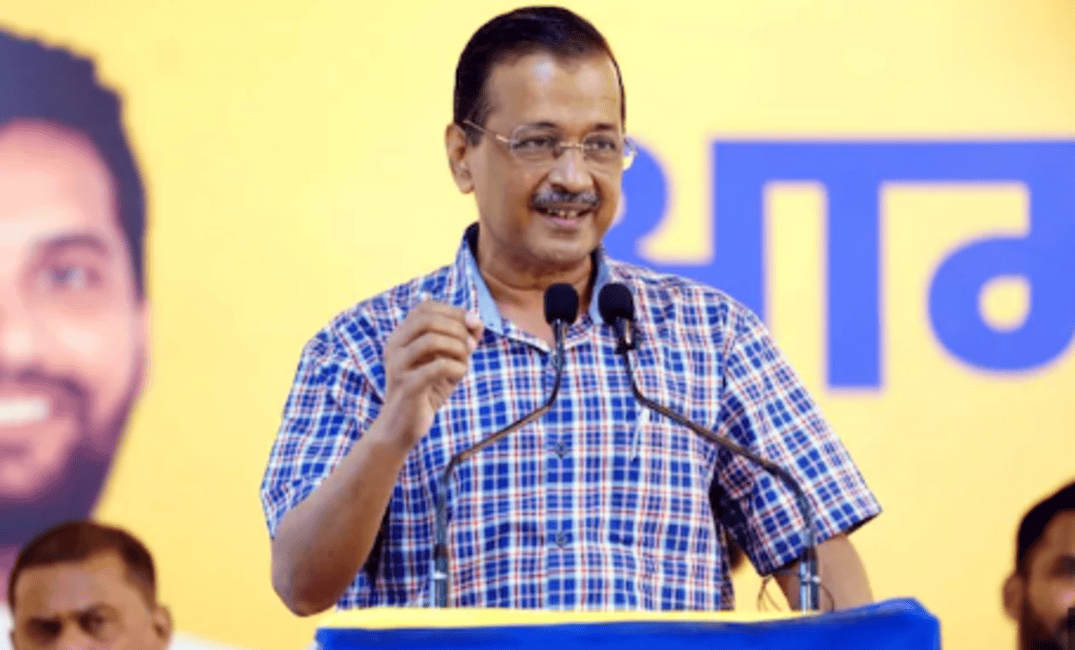

The Rise of Welfarism
AAP’s governance model increasingly revolved around welfare policies. Critics labeled it “freebie politics,” while supporters argued it was essential for social equity.
The party’s welfare agenda included:
- Free electricity and water
- Improved public education
- Accessible healthcare
- Financial relief for marginalized groups
This approach proved electorally successful, helping AAP retain power in Delhi in 2020 with another decisive victory.
Welfarism became the cornerstone of AAP’s political identity, Being Kejriwal replacing its earlier emphasis on systemic reform.
Expanding Beyond Delhi
AAP’s ambitions extended beyond the national capital. The party sought to establish itself as a national alternative.
Its most notable success came in Punjab, where it formed the government in 2022. This marked AAP’s transition from a regional force to a multi-state player.
However, expansion efforts in other states yielded mixed results, Being Kejriwal highlighting the challenges of replicating the Delhi model elsewhere.
The Role of Hindu Symbolism
One of the more controversial aspects of AAP’s evolution has been its occasional use of Hindu symbolism.
From organizing Hanuman Chalisa recitations to public displays of religious identity, Kejriwal has adopted a softer form of cultural signaling.
This shift is often seen as a strategic response to the dominance of identity politics in India.
While AAP maintains that it represents inclusive governance, Being Kejriwal critics argue that such moves dilute its secular credentials.
Centralization of Power
As AAP grew, so did the concentration of power within the party.
Arvind Kejriwal emerged as the undisputed leader, with key decisions often revolving around him.
Several founding members, including Yogendra Yadav and Prashant Bhushan, Being Kejriwal exited the party after internal disagreements.
These departures raised questions about internal democracy and the party’s commitment to its founding principles.
Today, AAP’s structure is highly centralized, with Kejriwal at its core.
Contradictions in Ideology
AAP’s journey is marked by several contradictions:
1. Activism vs Governance
From street protests to administrative pragmatism, Being Kejriwal the party has shifted its approach significantly.
2. Transparency vs Centralization
While advocating transparency, the party has faced criticism for centralized decision-making.
3. Secularism vs Symbolism
The use of religious imagery contrasts with its initial secular positioning.
4. Reform vs Welfare
The focus has moved from systemic reform to immediate welfare benefits.
These contradictions reflect the complexities of transitioning from a movement to a political institution.
Kejriwal’s Leadership Style
Arvind Kejriwal’s leadership has been a defining factor in AAP’s evolution.
Key Traits:
- Pragmatism: Willingness to adapt strategies based on political realities
- Communication Skills: Direct engagement with voters through media and public outreach
- Focus on Delivery: Emphasis on measurable outcomes
- Centralized Control: Strong grip over party decisions
Kejriwal’s ability to reinvent himself—from activist to administrator—has been crucial to the party’s survival and success.
Criticism and Challenges
Despite its achievements, AAP faces several challenges:
- Allegations of corruption within its own ranks
- Administrative conflicts with the central government
- Questions about financial sustainability of welfare schemes
- Difficulty in expanding its base nationally
Opponents argue that AAP’s model is not scalable, Being Kejriwal while supporters believe it represents a new paradigm in governance. 

Impact on Indian Politics
AAP’s rise has had a significant impact on Indian politics:
- Shift Toward Welfare: Other parties have adopted similar welfare policies
- Focus on Governance: Increased emphasis on service delivery
- New Political Narrative: Emergence of alternative political discourse
The party has redefined electoral strategies, Being Kejriwal emphasizing everyday issues over traditional ideological battles.
Public Perception
Public opinion on AAP and Kejriwal remains divided:
- Supporters: View him as a reformer delivering tangible benefits
- Critics: See him as a populist compromising on principles
This duality reflects the broader contradictions within the party itself.
The Road Ahead
As AAP enters its second decade, several questions remain:
- Can it sustain its welfare model?
- Will it regain its anti-corruption focus?
- Can it expand beyond its current strongholds?
- How will it balance ideology with pragmatism?
The answers will determine the party’s future trajectory.
Conclusion
The story of the Aam Aadmi Party is, in many ways, Being Kejriwal the story of Arvind Kejriwal himself—a journey marked by ambition, adaptation, and contradiction.
From its origins in the anti-corruption movement led by Anna Hazare to its current focus on governance and welfare, AAP has evolved in response to political realities.
In the process, power has become increasingly centralized, Being Kejriwal and the party’s ideology has undergone significant shifts.
Whether this transformation represents political maturity or a departure from its founding ideals is a matter of perspective. What is undeniable, however, is that AAP has left an indelible mark on Indian politics. ALSO READ:-Rajnath Singh Urges Italy to Refrain from Sharing Defence Technology with Pakistan: Strategic Concerns and Global Implications 2026