


Introduction
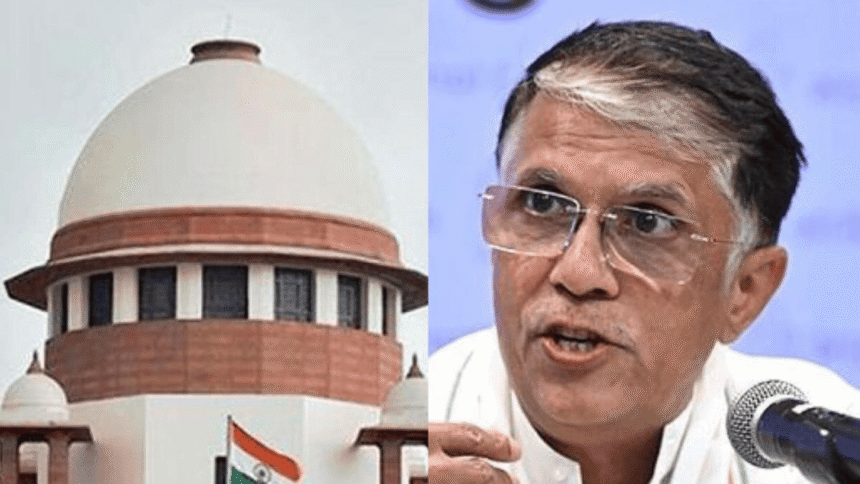
Supreme Court Grants Pre-Arrest Bail in a development that has drawn nationwide attention, the Supreme Court of India granted pre-arrest bail to senior Congress leader Pawan khera in connection with a case registered in Assam. The case, which stems from remarks allegedly made by Khera, had sparked political controversy and raised questions about free speech, political rivalry, and the use of legal provisions in political discourse.
The apex court’s intervention not only provides immediate relief to Khera but also underscores the judiciary’s role in safeguarding individual liberty in politically sensitive cases. This article explores the background of the case, the legal arguments, the Supreme Court’s observations, political reactions, and the broader implications for Indian democracy.
Background of the Case
The controversy began when Pawan Khera, a prominent spokesperson of the Indian National Congress, allegedly made remarks that led to the filing of an FIR in Assam. The complaint accused him of making statements that were deemed offensive and potentially disruptive to public harmony.
Following the FIR, Assam Police initiated action against khera, which raised concerns within the Congress party about what it described as “politically motivated targeting.” Khera was reportedly at risk of arrest, prompting him to seek legal protection through anticipatory bail.
The legal proceedings quickly escalated, with multiple petitions being filed in different courts. Given the political sensitivity and urgency, the matter eventually reached the Supreme Court.
What is Pre-Arrest Bail?
Pre-arrest bail, also known as anticipatory bail, is a legal provision that allows an individual to seek protection from arrest in anticipation of being accused of a non-bailable offense. It ensures that a person is not subjected to unnecessary detention while the case is being investigated.
In India, anticipatory bail is governed by Section 438 of the Criminal Procedure Code (CrPC). Courts grant such relief after considering factors such as the nature of the allegations, the applicant’s conduct, and the likelihood of misuse of legal provisions.
In Khera’s case, the plea for pre-arrest bail was based on the argument that the charges were politically motivated and that his arrest would be unjustified. 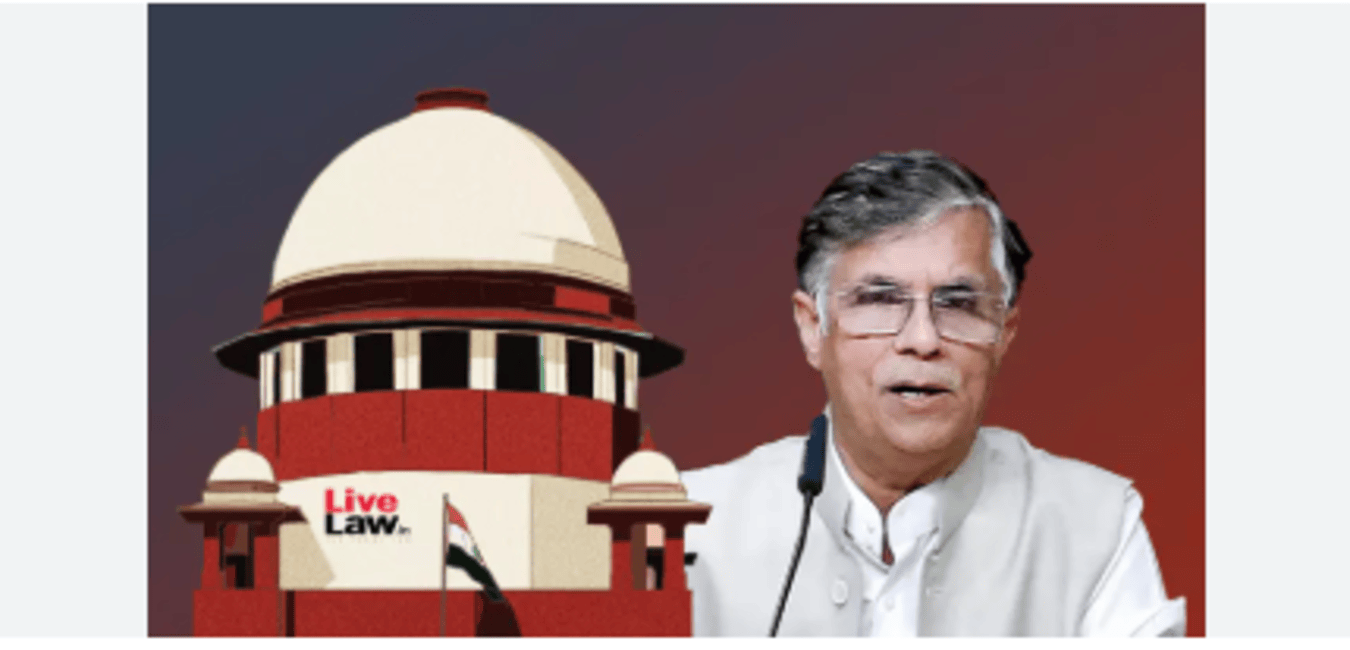

Supreme Court’s Intervention
The Supreme Court took up the matter urgently, recognizing the potential implications of the case on personal liberty and political expression.
After hearing arguments from both sides, Supreme Court Grants Pre-Arrest Bail the court granted interim protection to Pawan Khera, effectively ensuring that he would not be arrested in connection with the Assam case until further orders.
The bench observed that:
- Arrest should not be used as a punitive tool in cases involving speech.
- The legal process must not be misused for political vendetta.
- Personal liberty is a fundamental right that must be protected.
The court’s decision reflects a cautious approach, balancing the need for investigation with the protection of individual rights.
Arguments Presented by the Defense
Khera’s legal team argued that:
- Freedom of Speech: The remarks in question fell within the ambit of political speech, Supreme Court Grants Pre-Arrest Bail which is protected under Article 19(1)(a) of the Constitution.
- No Criminal Intent: There was no intention to incite violence or disrupt public order.
- Political Motivation: The case was filed with the intention of harassing a political opponent.
- Cooperation with Investigation: Khera was willing to cooperate fully with authorities, making arrest unnecessary.
The defense emphasized that arrest should be a last resort and not the first step in such cases.
Arguments by the Prosecution
On the other hand, the Assam government and the complainant argued that:
- The remarks were offensive and could hurt sentiments.
- Public figures have a responsibility to maintain decorum in their statements.
- The investigation required custodial interrogation.
However, the prosecution faced scrutiny from the court regarding the necessity of arrest in this particular case.
Political Reactions
Congress Party’s Response
The Congress party welcomed the Supreme Court’s decision, calling it a victory for democracy and freedom of expression. Party leaders accused the ruling government of using law enforcement agencies to silence विपक्षी voices.
They argued that such cases create a chilling effect on political discourse and undermine democratic values.
BJP’s Stand
Leaders from the Bharatiya Janata Party (BJP) maintained that the law must take its course and that no individual is above the law. They emphasized that public figures should be accountable for their statements.
The BJP also rejected allegations of political vendetta, Supreme Court Grants Pre-Arrest Bail stating that the case was based on legitimate legal grounds.
Legal and Constitutional Implications
The Supreme Court’s decision has broader implications beyond the immediate relief granted to Khera.
1. Protection of Personal Liberty
The ruling reinforces the principle that arrest should not be arbitrary. It highlights the importance of protecting individuals from unnecessary detention, Supreme Court Grants Pre-Arrest Bail especially in cases involving speech.
2. Freedom of Expression
Political speech is a cornerstone of democracy. The case raises important questions about the limits of free speech and the role of law in regulating it.
3. Judicial Oversight
The judiciary’s intervention demonstrates its role as a guardian of constitutional rights. It acts as a check against potential misuse of power by investigative agencies.
Similar Cases in the Past
India has witnessed several cases where politicians and activists have sought anticipatory bail in politically sensitive matters. Courts have often emphasized the need to strike a balance between investigation and individual rights.
In many such cases, the judiciary has intervened to prevent misuse of legal provisions, Supreme Court Grants Pre-Arrest Bail particularly when allegations involve speech rather than direct criminal acts.
Impact on Political Discourse
The case has reignited debates on the nature of political discourse in India.
- Polarization: Political statements are increasingly leading to legal battles.
- Legal Risks: Politicians face the risk of criminal cases for remarks made during campaigns or public appearances.
- Chilling Effect: Fear of legal action may discourage open debate.
The Supreme Court’s decision could set a precedent for handling similar cases in the future.
Role of Media
The media played a significant role in amplifying the issue, Supreme Court Grants Pre-Arrest Bail with extensive coverage of Khera’s remarks, the FIR, and the court proceedings.
While media attention helps in ensuring transparency, it also contributes to public polarization. Responsible reporting is essential in such cases to avoid inflaming tensions. 

Public Reaction
Public opinion on the case has been divided:
- Supporters of Khera view the case as an attack on free speech.
- Critics believe that public figures should be held accountable for their words.
Social media platforms were flooded with debates, Supreme Court Grants Pre-Arrest Bail reflecting the broader ideological divide in the country.
Future Course of the Case
While the Supreme Court has granted pre-arrest bail, Supreme Court Grants Pre-Arrest Bail the case is far from over. The investigation will continue, Supreme Court Grants Pre-Arrest Bail and the court will eventually decide on the merits of the case.
Key aspects to watch include:
- Whether charges are sustained.
- The outcome of the investigation.
- Any further observations by the court on free speech and political accountability.
Conclusion
The Supreme Court’s decision to grant pre-arrest bail to Pawan Khera in the Assam case is a significant moment in the ongoing debate over free speech, political rivalry, and the rule of law in India.
By prioritizing personal liberty and cautioning against the misuse of arrest powers, the court has reaffirmed its commitment to constitutional principles. At the same time, the case highlights the challenges of maintaining a balance between accountability and freedom in a लोकतांत्रिक society.
As the legal proceedings continue, Supreme Court Grants Pre-Arrest Bail the case will likely remain a focal point in discussions about the intersection of law and politics in India. Its outcome could shape the way similar cases are handled in the future, making it an important chapter in the country’s legal and political landscape. ALSO READ:-Rajnath Singh Urges Italy to Refrain from Sharing Defence Technology with Pakistan: Strategic Concerns and Global Implications 2026