




1. Introduction: High Stakes in the Heart of Bengal
Bengal Elections Second Phase second phase of elections in West Bengal has turned into a high-stakes political battle, with Chief Minister Mamata Banerjee and several of her Cabinet colleagues facing intense contests in Kolkata and its surrounding suburban constituencies.
This phase is being closely watched as it could significantly influence the overall outcome of the elections. With urban voters playing a decisive role, Bengal Elections Second Phase political parties are leaving no stone unturned to secure victory.
2. Electoral Landscape: Why the Second Phase Matters
The second phase covers key constituencies in and around Kolkata, Bengal Elections Second Phase making it one of the most critical stages of the election.
Key Features:
- High voter density
- Urban and semi-urban mix
- Politically aware electorate
The results from this phase often set the tone for the rest of the election, Bengal Elections Second Phase.
3. Mamata Banerjee: Leading from the Front
Mamata Banerjee, the face of the All India Trinamool Congress (TMC), is once again leading from the front.
Known for her grassroots connect and strong leadership, Mamata is seeking to retain her hold over Kolkata—a region that has traditionally been a stronghold of her party.
Her campaign focuses on:
- Welfare schemes
- Development projects
- Regional identity
4. Cabinet Ministers in the Fray: A Collective Test
Several senior leaders from Mamata’s Cabinet are also contesting in this phase, Bengal Elections Second Phase turning it into a collective test for the ruling party.
Significance:
- Reflects public trust in governance
- Determines leadership credibility
- Impacts party morale
A strong performance by these leaders is crucial for TMC’s overall prospects.
5. BJP’s Challenge: Aiming for Urban Breakthrough
The Bharatiya Janata Party (BJP) is aggressively targeting urban constituencies in Kolkata and its suburbs.
Strategy Includes:
- Highlighting governance issues
- Targeting middle-class voters
- Leveraging central leadership
The party aims to make significant inroads into TMC’s urban stronghold. 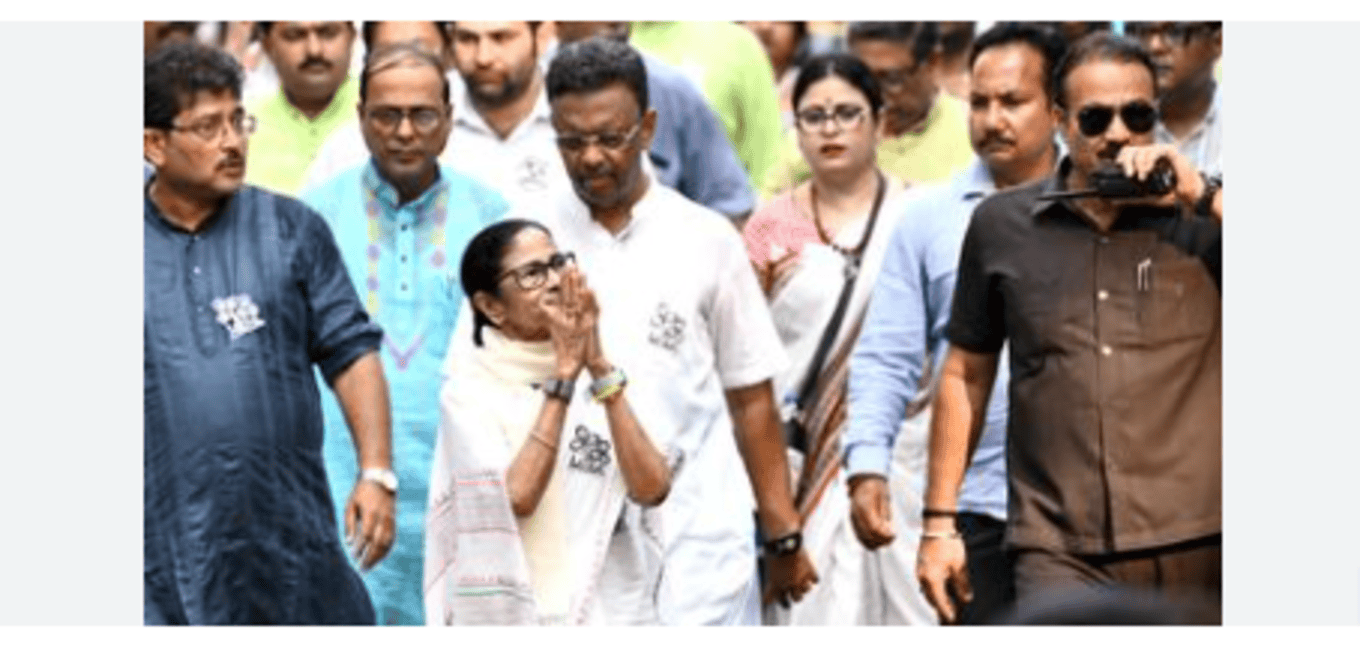 FORE MORE INFORMATION
6. Congress and Left: Fighting for Relevance
The Indian National Congress and Left parties are also in the fray, Bengal Elections Second Phase though their influence has declined over the years.
Their focus is on:
- Regaining lost ground
- Appealing to traditional voter bases
- Forming strategic alliances
While not the primary contenders, Bengal Elections Second Phase they could influence outcomes in close contests.
7. Key Issues: What Matters to Voters
Urban voters in Kolkata and its suburbs are influenced by a range of issues:
- Infrastructure and traffic
- Employment opportunities
- Cost of living
- Civic amenities
These concerns are shaping voter preferences and campaign narratives.
8. Campaign Dynamics: Intense and Competitive
The campaign for this phase has been marked by:
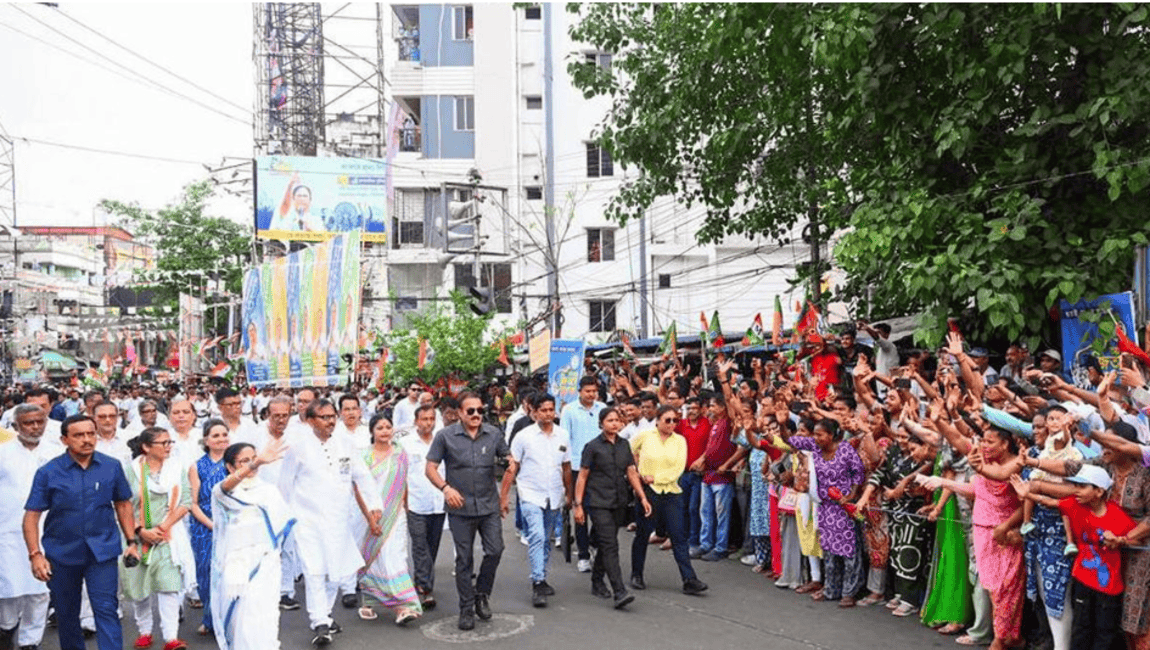
- High-energy rallies
- Door-to-door outreach
- Social media engagement
All major parties are investing heavily in connecting with voters.
9. Role of Women Voters: A Decisive Factor
Women voters are expected to play a crucial role in this phase.
Mamata Banerjee’s welfare schemes targeting women have:
- Increased female participation
- Strengthened TMC’s support base
However, Bengal Elections Second Phase opposition parties are also trying to appeal to this demographic.
10. Youth Influence: Shaping the Outcome
Young voters in urban areas are emerging as a key force.
Their Priorities:
- Jobs and career opportunities
- Education
- Digital infrastructure
Their choices could significantly impact the results.
11. Security and Election Management
Ensuring free and fair elections is a top priority.
The Election Commission of India has deployed:
- Security personnel
- Monitoring teams
- Strict guidelines
These measures aim to maintain transparency and credibility.
12. Voter Turnout: A Critical Indicator
Turnout in urban constituencies often determines the outcome.
Higher turnout could indicate:
- Increased political engagement
- Stronger mandate
All parties are encouraging voters to come out in large numbers.
13. Possible Outcomes: Scenarios to Watch
Scenario 1: TMC Retains Dominance
- Strong performance by Mamata and Cabinet
- Continued control over Kolkata
Scenario 2: BJP Gains Ground
- Breakthrough in urban constituencies
- Shift in political dynamics
Scenario 3: Fragmented Results
- Close contests
- Influence of smaller parties
 FORE MORE INFORMATION
14. Impact on Overall Election
The second phase results will have a significant impact on:
- Party momentum
- Voter perception
- Campaign strategies for remaining phases
A strong showing here can boost confidence and influence subsequent voting.
15. Conclusion: A निर्णायक Phase
The second phase of elections in West Bengal represents a निर्णायक moment in the political battle.
With Mamata Banerjee and her Cabinet colleagues facing tough contests in Kolkata and its suburbs, Bengal Elections Second Phase the stakes could not be higher.
As voters head to the polls, their decisions will shape not only the future of the state government but also the broader political landscape of West Bengal.
16. Key Highlights (Quick Summary)
- Mamata Banerjee and Cabinet ministers contest in second phase
- Kolkata and suburbs are key battlegrounds
- BJP aims for urban breakthrough
- Women and youth voters play crucial roles
- Results will influence overall election outcome ALSO READ:-White House Correspondents’ Dinner Shooting LIVE: Suspect’s Anti-Christian Manifesto Revealed, Trump Responds Strongly 2026