






1. Introduction: Dhoni Speaks From Experience
Dhoni Calls Cricket Commentary, Mahendra Singh Dhoni has seen cricket from angles very few ever do. From a small-town ticket collector to one of the most successful captains in the history of the game, Dhoni’s journey has covered the full spectrum of professional cricket — pressure situations, brutal criticism, adulation, and intense scrutiny. So when Dhoni talks about the challenges of cricket commentary, his words carry a unique weight.
Recently, Dhoni described cricket commentary as “very difficult,” highlighting the “fine line” that commentators must walk between describing what is happening in a match and unfairly criticising players. Coming from a man who has spent nearly two decades being analysed ball by ball, Dhoni’s remarks have reignited an important discussion around commentary standards, fan expectations, and the mental impact on players.
2. Why Commentary Matters in Modern Cricket
Cricket commentary today is far more than just narrating events on the field. In the age of high-definition broadcasts, social media clips, and instant reactions, commentators shape how audiences perceive the game. A single sentence can turn into a viral clip, influence public opinion, or define a player’s reputation.
Earlier, commentary was largely descriptive — telling listeners what was happening on the field. Now, it is analytical, opinionated, and often judgmental. Former players, journalists, and experts are expected not only to explain tactics but also to pass verdicts on technique, mindset, and decision-making.
Dhoni’s observation acknowledges this evolution and questions where commentary should draw the line. 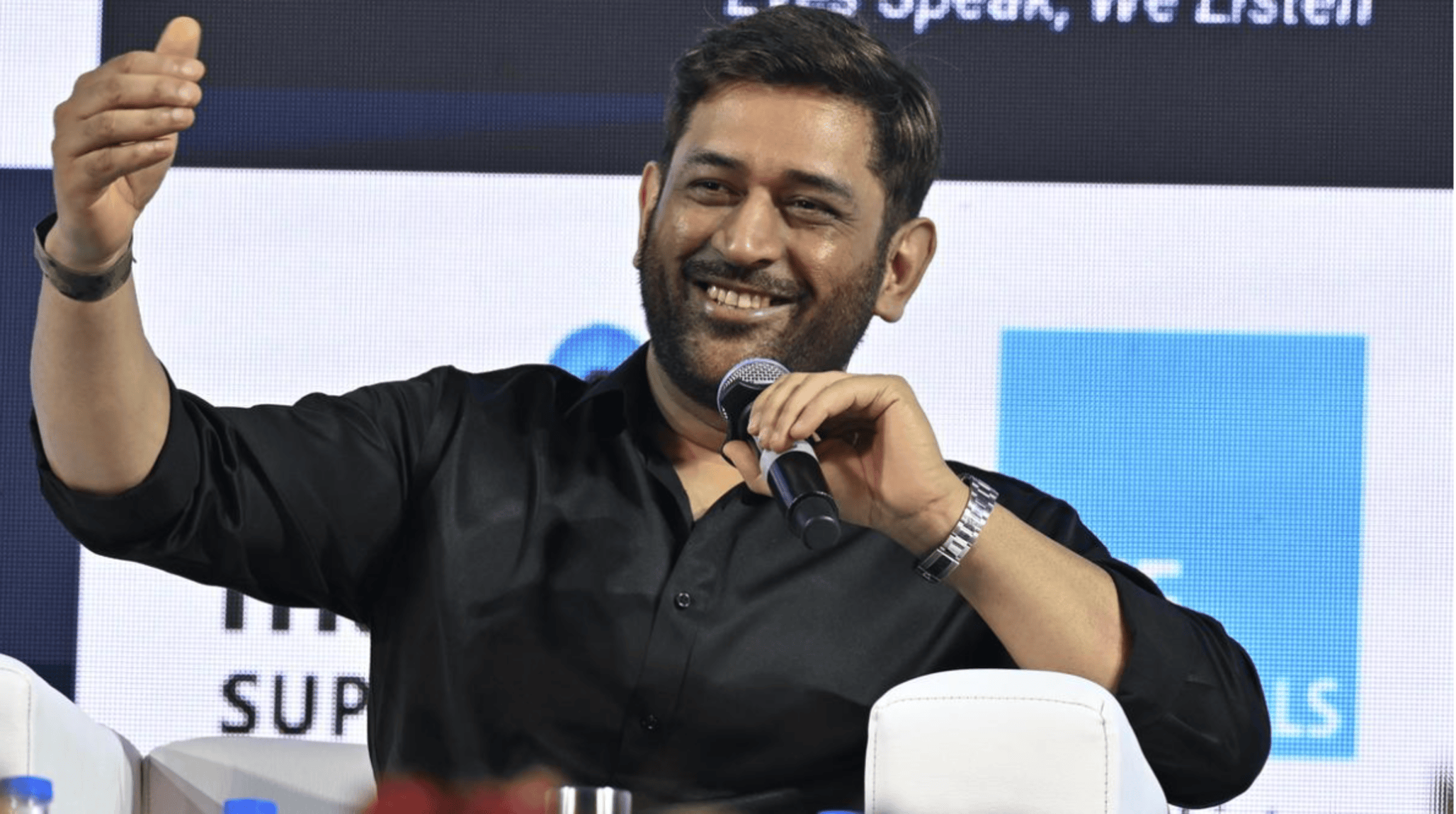 watch video for more info
3. Dhoni on the ‘Fine Line’ in Commentary
Dhoni pointed out that there is a delicate balance between explaining the game and criticising players. According to him, it is easy for commentators to cross that line without realising it, especially when they speak from the comfort of a studio rather than the pressure of the middle.
A mistimed shot or a dropped catch may look simple on television, but players deal with multiple variables — pitch conditions, match situation, fatigue, crowd noise, and personal form. Dhoni emphasised that commentary should ideally help viewers understand these complexities instead of reducing moments to harsh judgments.
4. The Player’s Perspective: Pressure You Can’t See
As a former captain and wicketkeeper, Dhoni was involved in almost every ball of a match. He understands that cricket is a game of errors, not perfection. Even the best players fail more often than they succeed.
When commentators criticise without context, it can amplify negativity around players, especially younger ones. Dhoni’s concern reflects a broader issue — fans often forget that players are humans, not machines. Commentary that constantly highlights mistakes can add to the mental burden athletes already carry.
5. From Dressing Room to Commentary Box
Interestingly, many modern commentators are former cricketers themselves. One might assume that ex-players would be more empathetic, having experienced the same pressures. Dhoni’s remarks subtly challenge this assumption.
While ex-players bring tactical insight, they may also have strong opinions shaped by their own playing styles and experiences. Dhoni suggests that translating on-field understanding into balanced commentary is not easy. Speaking freely without hurting players or misleading audiences requires restraint, empathy, and awareness.
6. Social Media and the Amplification of Criticism
In today’s digital age, commentary does not remain confined to television or radio. Clips circulate rapidly on social media platforms, often stripped of context. A critical remark can trend within minutes, inviting trolling and abuse directed at players.
Dhoni’s comments indirectly highlight this ecosystem where commentary feeds social media narratives. When criticism becomes sensational, it can snowball into something far bigger than intended, affecting players’ confidence and public image.
7. Commentary Versus Criticism: Where Is the Line?
Dhoni’s idea of a “fine line” raises an important question — what exactly distinguishes fair analysis from unfair criticism?
-
Description involves explaining what happened and why.
-
Analysis goes a step further, discussing alternatives and strategies.
-
Criticism, however, often assigns blame without considering context.
Dhoni believes commentary should lean towards education rather than judgment. Explaining why a player attempted a risky shot is more constructive than branding it as “stupid” or “careless.” 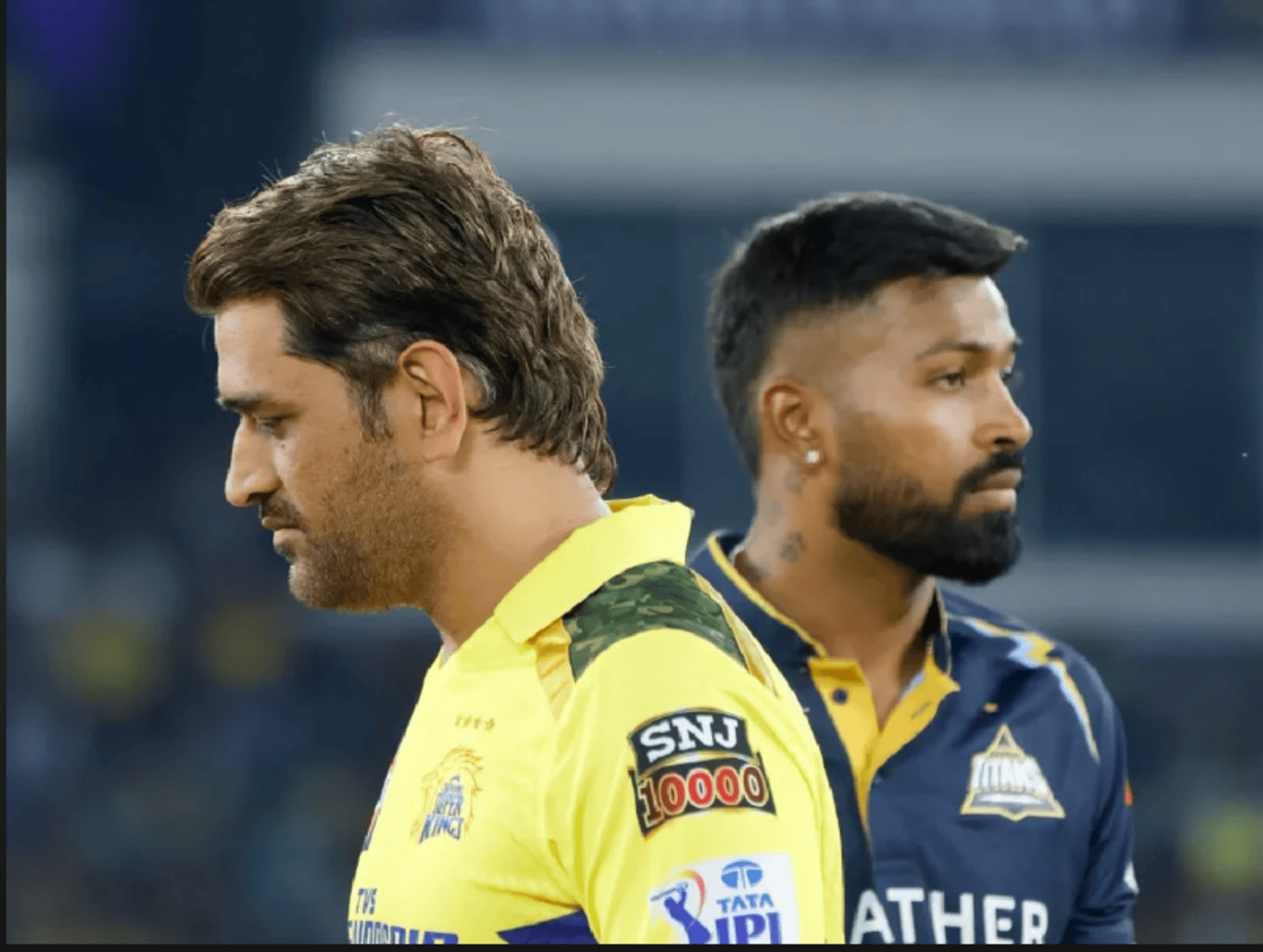 watch video for more info
8. Impact on Young and Emerging Players
Young cricketers are particularly vulnerable to commentary-driven narratives. A few negative remarks during early matches can label a player as inconsistent, mentally weak, or technically flawed.
Dhoni, known for backing youngsters during his captaincy, Dhoni Calls Cricket Commentary understands the value of confidence. He has always believed in allowing players space to grow. His comments on commentary echo the same philosophy — harsh words can stunt development, while balanced analysis can guide improvement.
9. Fans, Expectations, and the Role of Commentators
Fans often expect commentators to echo their emotions — frustration after a loss or excitement after a big win. This expectation puts commentators under pressure to be opinionated and dramatic.
Dhoni’s statement serves as a reminder that catering to emotions should not override responsibility. Commentators influence how fans view players and the game itself. Balanced commentary can foster respect for the sport, even in defeat.
10. Dhoni’s Own Relationship With Criticism
Throughout his career, Dhoni faced intense scrutiny — from questioning his batting position to his captaincy decisions. He was criticised for batting too slow, promoting himself too high, or not high enough.
Yet, Dhoni rarely responded publicly. His calm demeanour and focus on outcomes rather than noise earned him admiration. His comments on commentary reflect that lived experience — he knows how words spoken in studios can echo loudly in dressing rooms.
11. The Art of Constructive Commentary
Constructive commentary, as implied by Dhoni, Dhoni Calls Cricket Commentary requires preparation and humility. Commentators must acknowledge that players have more information in the middle than viewers do.
Instead of declaring decisions right or wrong, they can discuss probabilities, conditions, and strategic intent. This approach respects players while enriching the viewer’s understanding of cricket.
12. Learning From Global Commentary Styles
Around the world, commentary styles vary. Some focus heavily on storytelling, others on data and analytics. Dhoni’s remarks invite broadcasters to rethink formats that prioritise sensational soundbites over thoughtful insight.
Analytical tools, statistics, Dhoni Calls Cricket Commentary and expert breakdowns can reduce the need for harsh verbal criticism, shifting focus toward understanding the game deeply.
13. A Message Beyond Commentary
Dhoni’s statement is not just about commentary — it reflects a broader philosophy of leadership and communication. Whether in cricket, work, or life, Dhoni Calls Cricket Commentary criticism without empathy often does more harm than good.
His words resonate beyond sport, reminding audiences that feedback should aim to inform and improve, not belittle.
14. Reaction From the Cricketing World
Dhoni’s comments have found support among current and former players who have long expressed discomfort with overly critical commentary. Dhoni Calls Cricket Commentary Many believe that the role of commentators should evolve to protect the spirit of the game rather than feed controversy.
Fans, too, have responded positively, appreciating Dhoni’s honesty and perspective shaped by years at the highest level.
15. Conclusion: Wisdom From a Cricketing Icon
When MS Dhoni calls cricket commentary “very difficult,” Dhoni Calls Cricket Commentary he speaks with the authority of experience. His emphasis on the “fine line” between describing the game and criticising players is a timely reminder for broadcasters, commentators, and fans alike.
Cricket is a game of skill, pressure, and uncertainty. Commentary should reflect that complexity, offering insight without unfair judgment. Dhoni’s words challenge the cricketing world to listen more carefully, speak more responsibly, and remember the human side of the sport. ALSO READ:- Trinamool Claims 40 SIR-Related Deaths in West Bengal; Says CEC Has ‘Blood on His Hands’ 2026