




“Fifteen Killed Overnight Israeli-Palestinian conflict has seen another tragic escalation, with 15 people killed overnight in the Gaza Strip following a series of Israeli airstrikes. The strikes, part of a broader military operation, have once again brought the decades-long conflict to the forefront of international attention, highlighting the deep-rooted tensions, complex political dynamics, and immense human cost. This article aims to unpack the details of the recent escalation, examine the ongoing conflict between Israel and Hamas, and explore the humanitarian, geopolitical, and diplomatic implications of the airstrikes.
The Incident: A Deadly Night in Gaza
On the night of September 21, 2024, Israeli warplanes conducted multiple airstrikes across the Gaza Strip, targeting what the Israeli Defense Forces (IDF) described as military infrastructure linked to Hamas, the militant group that governs Gaza. The IDF claims that the airstrikes were in response to rocket attacks launched from Gaza into southern Israel. While Israeli officials maintain that the strikes were aimed at neutralizing threats, the operation resulted in the deaths of 15 Palestinian civilians, including women and children, and left dozens more injured.
According to local reports, the airstrikes targeted densely populated areas in Gaza City, Beit Lahia, and Khan Younis. Residential buildings, infrastructure, and even a refugee camp were severely damaged, exacerbating the already dire humanitarian situation in Gaza. Hospitals in the region struggled to cope with the influx of casualties, Fifteen Killed Overnight as medical supplies are already stretched thin due to the ongoing blockade imposed by Israel and Egypt. 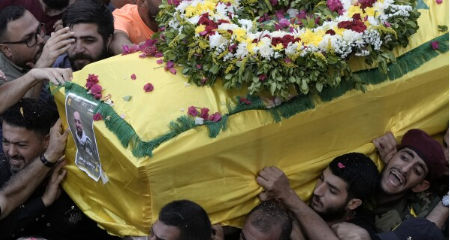 For the more information click on this link
Context: The Broader Israeli-Palestinian Conflict
The Israeli airstrikes are the latest chapter in a conflict that has spanned over seven decades, rooted in competing national claims to the land of historic Palestine. The Israeli-Palestinian conflict is characterized by cycles of violence, failed peace negotiations, Fifteen Killed Overnight and profound suffering for civilians on both sides.
- Hamas and Israel: Since 2007, when Hamas took control of Gaza after defeating Fatah in a brief civil war, the group has been in constant conflict with Israel. Hamas, which refuses to recognize Israel’s right to exist, has frequently launched rocket attacks into Israeli territory, Fifteen Killed Overnight prompting retaliatory airstrikes from the IDF. The recent flare-up is part of this broader cycle of violence, in which every act of aggression is met with a disproportionate response, perpetuating the conflict.
- The Blockade on Gaza: The Gaza Strip has been under a blockade imposed by Israel and Egypt since 2007. The blockade severely restricts the movement of goods and people in and out of Gaza, creating a humanitarian crisis. The region faces shortages of essential supplies, including food, Fifteen Killed Overnight medical aid, and fuel. The blockade has contributed to the radicalization of the population, as many see Hamas as the only force standing against Israeli occupation.
- The Two-State Solution: International efforts to resolve the conflict have long focused on the two-state solution, which envisions an independent Palestinian state alongside Israel. However, peace talks have repeatedly stalled due to disagreements over borders, the status of Jerusalem, and the right of return for Palestinian refugees. Meanwhile, Fifteen Killed Overnight Israeli settlement expansion in the West Bank continues, making a two-state solution increasingly difficult to achieve.
Humanitarian Impact of the Airstrikes
The latest airstrikes in Gaza have had devastating consequences for the civilian population, adding to the already overwhelming toll of the conflict.
- Civilian Casualties: Of the 15 people killed in the airstrikes, several were civilians, including women and children. These casualties are not uncommon in Israeli military operations in Gaza, where densely populated areas make it difficult to avoid civilian deaths. The loss of life is a stark reminder of the human cost of the ongoing conflict, Fifteen Killed Overnight which disproportionately affects the Palestinian population.
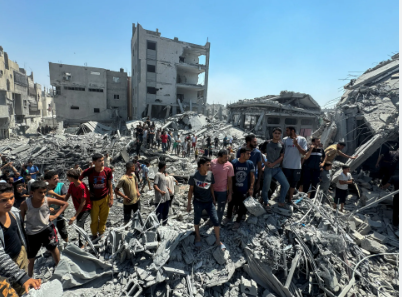
- Damage to Infrastructure: The airstrikes caused widespread destruction to homes, schools, and public infrastructure, further straining Gaza’s already fragile economy. The destruction of residential areas has left many families homeless, while damage to essential services, such as electricity and water supply, has worsened living conditions in the strip.
- Health Crisis: Gaza’s healthcare system, already weakened by years of conflict and the blockade, is struggling to cope with the influx of wounded civilians. Hospitals are running out of basic medical supplies, and the lack of electricity due to power cuts makes it difficult to treat critical patients. The ongoing conflict has also exacerbated mental health issues, with a growing number of people, Fifteen Killed Overnight especially children, suffering from trauma-related disorders.
- Displacement: The destruction of homes in the airstrikes has displaced hundreds of families, many of whom have sought refuge in temporary shelters or with relatives. Gaza, already one of the most densely populated areas in the world, faces a severe housing crisis, and the ongoing violence is only making it worse.
 For the more information click on this link
Israel’s Justification: Defense Against Rocket Attacks
The Israeli government justifies its airstrikes as acts of self-defense against Hamas, which has been launching rockets into southern Israel. While Israel’s right to defend itself is recognized under international law,Fifteen Killed Overnight the disproportionate nature of its military response has drawn criticism from human rights organizations and the international community.
- Rocket Fire from Gaza: According to Israeli officials, the airstrikes were in retaliation for rocket attacks from Gaza. Hamas and other militant groups have launched hundreds of rockets into Israeli territory over the past month, targeting civilian areas in southern Israel. While Israel’s Iron Dome missile defense system intercepts most of these rockets, the threat of indiscriminate rocket fire has caused widespread fear and disruption in Israeli communities.
- Targeting of Hamas Infrastructure: The IDF claims that its airstrikes are aimed at degrading Hamas’s military capabilities by targeting weapons storage facilities, training camps, and tunnels used by militants to smuggle weapons. However, Fifteen Killed Overnight the precision of these strikes has been called into question, as residential areas and civilian infrastructure are often caught in the crossfire.
- International Law and Proportionality: Under international humanitarian law, Israel is obligated to take all necessary precautions to avoid civilian casualties and to ensure that its military actions are proportionate to the threat posed. However, the high civilian death toll in Gaza raises questions about whether Israel is complying with these obligations.
International Reactions: Calls for Restraint
The recent escalation in Gaza has sparked a flurry of international reactions, with world leaders calling for restraint and urging both sides to return to the negotiating table.
- United Nations: The UN has expressed deep concern over the loss of civilian life in Gaza and has called for an immediate ceasefire. UN officials have urged both Israel and Hamas to exercise maximum restraint and to prioritize the protection of civilians. The UN has also reiterated its call for a negotiated solution to the Israeli-Palestinian conflict, emphasizing the need for a two-state solution.
- United States: The U.S. has long been a key ally of Israel, providing military aid and diplomatic support. In response to the latest airstrikes, Fifteen Killed Overnight the U.S. State Department has reaffirmed Israel’s right to defend itself against rocket attacks but has also called for measures to prevent civilian casualties. The Biden administration has emphasized the need for de-escalation and has offered to mediate between the parties.
- European Union: The EU has condemned both the rocket attacks by Hamas and the Israeli airstrikes, calling for an immediate cessation of hostilities. European leaders have expressed concern over the deteriorating humanitarian situation in Gaza and have called for increased international efforts to address the root causes of the conflict.
- Arab States: Arab nations, particularly those with close ties to the Palestinian cause, have condemned Israel’s airstrikes as disproportionate and have called for international intervention to protect Palestinian civilians. However, the response from some Arab governments has been more muted than in the past, Fifteen Killed Overnight reflecting shifting regional dynamics and the normalization of relations between Israel and several Arab states.
The Broader Geopolitical Implications
The Israeli airstrikes in Gaza are part of a larger geopolitical landscape that has seen significant shifts in recent years, particularly with the Abraham Accords and changing alliances in the Middle East.
- Normalization of Israel’s Relations with Arab States: The signing of the Abraham Accords in 2020 marked a historic shift in the Middle East, as Israel normalized relations with the United Arab Emirates, Bahrain, and Morocco. While these agreements have created new economic and diplomatic opportunities for Israel, Fifteen Killed Overnight they have also strained its relationships with the Palestinian leadership and grassroots movements in the Arab world. The recent violence in Gaza may put these new alliances to the test, Fifteen Killed Overnight as Arab governments face domestic pressure to stand in solidarity with the Palestinians.
- Iran and Proxy Groups: Iran, a staunch opponent of Israel, has continued to support militant groups in Gaza, including Hamas and Islamic Jihad. The escalation in Gaza could draw in Iranian-backed groups in Lebanon and Syria, Fifteen Killed Overnight further destabilizing the region. Israel has long viewed Iran’s influence in Gaza as a major security threat and has taken preemptive action to limit the flow of weapons and funds to Hamas.
- The Role of the United States: The U.S. remains a central player in the Israeli-Palestinian conflict, providing Israel with military aid and diplomatic cover in international forums. However, the Biden administration has faced criticism from progressives within the Democratic Party who argue that U.S. support for Israel should be conditioned on its respect for human rights. The recent violence in Gaza may prompt a re-evaluation of U.S. policy toward the conflict.
Conclusion: A Perpetual Cycle of Violence
The overnight Israeli airstrikes in Gaza, which claimed the lives of 15 civilians, are a tragic reminder of the seemingly perpetual cycle of violence that defines the Israeli-Palestinian conflict. As both sides continue to engage in tit-for-tat escalations, the prospects for peace remain elusive. The international community, while calling for restraint, has yet to put forward a viable solution that addresses the core grievances of both Israelis and Palestinians. In the meantime, the civilian population in Gaza continues to bear the brunt of the violence, trapped in a conflict with no end in si ALSO READ:-Hacker Uses Telegram Chatbots to Leak Data of Star Health: A Deep Dive into Data Breach, Cybersecurity, and the Growing Threat of Telegram Bots” 2024