

1. Political Storm Over a Sporting Gesture
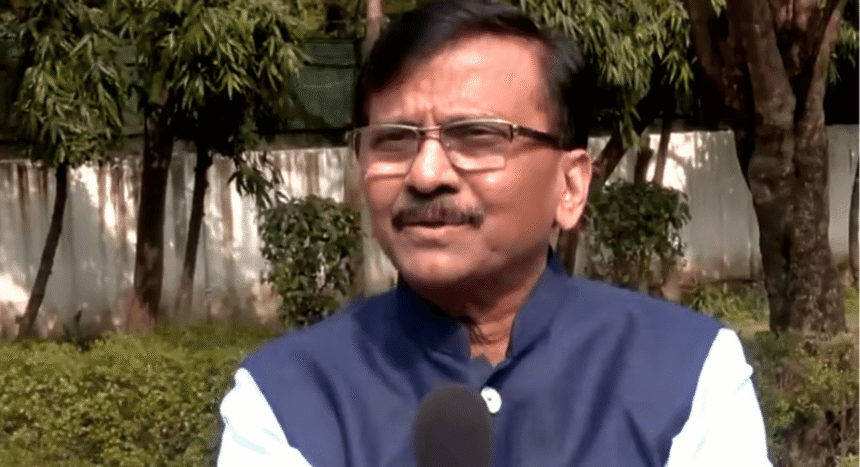
Indian Cricketers Not Shaking a fresh political controversy erupted after senior leader Sanjay Raut alleged that Indian cricketers refraining from shaking hands with their Pakistani counterparts amounted to “dadagiri” (bullying) by the Bharatiya Janata Party (BJP). The remark has reignited debate over the intersection of politics and sport, especially when it comes to India-Pakistan cricket ties.
Raut’s statement comes amid heightened diplomatic tensions between India and Pakistan, where even symbolic gestures on the cricket field often carry political undertones. His criticism has drawn sharp reactions from BJP leaders, cricket fans, and former players, turning a post-match ritual into a national talking point.
2. The Incident That Triggered the Row
The controversy reportedly began after visuals surfaced showing Indian players walking past Pakistani cricketers without the customary handshake following a high-profile match in a multinational tournament. While some described it as a minor protocol shift or an emotional response to the match’s intensity, others interpreted it as a deliberate gesture reflecting strained bilateral ties.
Traditionally, cricket matches conclude with players shaking hands as a mark of sportsmanship, regardless of rivalry. The absence of that gesture between players from India and Pakistan—two cricketing giants with a complex political history—quickly captured public attention.
3. Raut’s ‘Dada Giri’ Allegation
Addressing reporters in Mumbai, Sanjay Raut accused the BJP-led government of influencing cricketing conduct through political pressure. According to him, the refusal to shake hands symbolized political arrogance rather than sporting spirit.
Raut alleged that sport should remain above political agendas. He argued that cricket has historically served as a bridge between India and Pakistan, particularly during tense diplomatic periods. “If players are discouraged from even basic courtesy on the field, it sends a troubling message,” he reportedly stated.
The BJP, however, rejected the allegations, asserting that no such directive had been issued and that cricketers act independently within the boundaries of national sentiment.
4. BJP’s Response: ‘National Sentiment Comes First’
Leaders from the Bharatiya Janata Party dismissed Raut’s remarks as politically motivated. Party spokespersons emphasized that national security and public sentiment must be respected, especially given the history of cross-border tensions.
They argued that if players choose not to engage in symbolic gestures with Pakistani counterparts, it may reflect prevailing public mood rather than political coercion. According to BJP representatives, Indian Cricketers Not Shaking questioning players’ intentions or attributing them to government pressure undermines the autonomy of the sport.  FORE MORE INFORMATION
5. The Role of the BCCI
The Board of Control for Cricket in India (BCCI), which governs Indian cricket, has not officially commented on the handshake controversy. Historically, the BCCI has maintained that cricketing decisions, Indian Cricketers Not Shaking including bilateral tours, align with government advisories due to diplomatic sensitivities.
While the BCCI operates independently, Indian Cricketers Not Shaking international fixtures—especially against Pakistan—often involve consultation with the central government. Critics argue that this dynamic blurs the line between sports administration and political influence.
6. India-Pakistan Cricket: A Historical Backdrop
Cricket matches between India and Pakistan are among the most watched sporting events globally. Since the partition in 1947, Indian Cricketers Not Shaking cricket has reflected broader diplomatic fluctuations between the two nations.
Bilateral series have frequently been suspended following political or military tensions. Currently, India and Pakistan primarily face each other in ICC or multinational tournaments rather than bilateral tours.
Despite political strains, players from both nations have historically shared cordial relationships on and off the field. Handshakes, jersey exchanges, and friendly conversations have often provided glimpses of mutual respect amid intense rivalry.
7. Former Cricketers Weigh In
Several former players have shared differing views on the issue. Some veterans believe that sportsmanship should remain sacrosanct and free from political overtones. They argue that gestures like handshakes symbolize cricket’s spirit and serve as a reminder that players are ambassadors of goodwill.
Others contend that athletes are citizens first and may choose to reflect national sentiment during tense times. According to this perspective, Indian Cricketers Not Shaking refusing a handshake could be an emotional, spontaneous act rather than a politically directed decision.
The debate underscores how cricket in the subcontinent transcends sport and often mirrors geopolitical realities.
8. Opposition Parties Join the Debate
Beyond Sanjay Raut, Indian Cricketers Not Shaking leaders from other opposition parties have also criticized what they describe as politicization of sports. Some have questioned whether athletes feel compelled to act in accordance with perceived government expectations.
Opposition voices argue that cricket should foster dialogue rather than division. They point to past instances of “cricket diplomacy,” where matches between India and Pakistan coincided with diplomatic thawing.
However, BJP leaders counter that opposition parties are exploiting a minor on-field moment to generate controversy and distract from larger governance issues.
9. Public Opinion: Divided Reactions
Public response to the handshake controversy has been deeply divided. On social media platforms, some users applauded the Indian players for prioritizing national sentiment. Others criticized the move as unsportsmanlike and contrary to cricket’s traditions.
Hashtags supporting both viewpoints trended for hours, Indian Cricketers Not Shaking reflecting polarized public discourse. The episode demonstrates how even brief gestures during India-Pakistan matches can ignite widespread debate.
10. International Perspective
International cricket observers have largely viewed the incident through the lens of rivalry and regional tensions. In global tournaments governed by the International Cricket Council (ICC), Indian Cricketers Not Shaking sportsmanship norms remain central to the game’s ethos.
ICC regulations emphasize fair play and mutual respect. However, they do not mandate specific gestures like handshakes, leaving room for interpretation based on circumstances.  FORE MORE INFORMATION
11. Sport and Politics: An Ongoing Debate
The controversy once again highlights the age-old debate: should sports be insulated from politics?
Globally, sports have often intersected with political realities—from Olympic boycotts during the Cold War to symbolic protests on podiums. In South Asia, cricket has frequently mirrored diplomatic tides between India and Pakistan.
While many argue for a strict separation of sports and politics, Indian Cricketers Not Shaking practical realities often blur these boundaries, particularly when national identity and security concerns are involved.
12. Diplomatic Sensitivities and Bilateral Freeze
India and Pakistan’s diplomatic ties have been strained for years, impacting cultural exchanges, trade, and bilateral sports. Cricket, once a regular fixture between the two nations, Indian Cricketers Not Shaking has been reduced to occasional encounters in global tournaments.
Government policy significantly influences whether bilateral series resume. As a result, players often find themselves navigating a delicate balance between sporting courtesy and national expectations.
13. The Symbolism of a Handshake
In cricket, the handshake symbolizes closure, mutual respect, and acknowledgment of shared competition. Its absence, especially between high-profile rivals, Indian Cricketers Not Shaking inevitably attracts scrutiny.
However, experts note that players may also express sportsmanship in other ways—such as congratulatory gestures during play or respectful conduct throughout the match.
Whether the absence of a handshake reflects political messaging or spontaneous emotion remains a matter of interpretation.
14. Raut’s Political Context
Sanjay Raut’s remarks must also be viewed within Maharashtra’s evolving political landscape. As a vocal critic of the BJP, Raut has frequently accused the ruling party of centralizing control over institutions.
By framing the handshake issue as “dadagiri,” Raut appears to be reinforcing his broader narrative of alleged political overreach. BJP leaders, meanwhile, Indian Cricketers Not Shaking have characterized his comments as attention-seeking and divisive.
15. Cricket Diplomacy: Lost Opportunity or Overblown Issue?
Some analysts argue that focusing on the handshake distracts from the larger picture—India’s performance in the tournament, the spirit of competition, and broader sporting excellence.
Others believe symbolic gestures carry significant weight in high-stakes rivalries and can either escalate tensions or foster goodwill.
The debate ultimately reflects deeper societal divisions about nationalism, diplomacy, and cultural exchange.
16. Looking Ahead
As the tournament progresses, attention may shift back to on-field performances. However, the episode has once again illustrated how India-Pakistan cricket transcends the boundary rope.
For policymakers, Indian Cricketers Not Shaking the incident may serve as a reminder of the delicate interplay between diplomacy and sport. For players, it underscores the scrutiny that accompanies every action in such high-profile contests.
17. Conclusion: Beyond the Boundary
The allegation by Sanjay Raut that Indian cricketers not shaking hands with Pakistani counterparts amounts to BJP “dadagiri” has sparked intense political and public debate. While the BJP denies any influence and defends national sentiment, critics warn against politicizing sports traditions.
At its heart, the controversy reflects the enduring complexity of India-Pakistan relations. Cricket remains both a battleground of rivalry and a potential bridge for dialogue. Whether gestures like handshakes should carry political significance is a question that continues to divide opinion. ALSO READ:-India’s Permanent Contribution to the World Community’s Agenda Is of Enormous Importance to Us: Antonio Guterres 2026