



1. Introduction: Diplomacy Amid Conflict
Iran’s FM Abbas Araghchi Calls Islamabad as tensions continue in the ongoing Israel–Iran conflict, diplomatic activity has intensified across multiple regions. In a significant development, Abbas Araghchi described his recent visit to Islamabad as “successful” upon arriving in Russia, signaling renewed diplomatic efforts even as military and political tensions remain high.
The statement comes at a crucial moment when global powers are closely watching every move in the Middle East, hoping for a breakthrough that could prevent further escalation.
2. The Islamabad Visit: ‘Very Productive’ Talks
According to official statements, Araghchi termed his visit to Islamabad as “very productive,” highlighting “good consultations” with Pakistani leadership.
Key Outcomes of the Visit:
- Discussions on Iran–U.S. negotiations
- Review of previous rounds of talks
- Exploration of conditions for future diplomacy
Araghchi emphasized that the meetings helped assess how and under what circumstances negotiations could move forward.
3. Pakistan’s Role: A Quiet Mediator
Pakistan has emerged as an important intermediary in the crisis.
Why Pakistan Matters:
- Maintains diplomatic ties with both Iran and the U.S.
- Offers a neutral ground for indirect talks
- Acts as a communication bridge
Despite no direct Iran–U.S. talks taking place in Islamabad, Iran’s FM Abbas Araghchi Calls Islamabad the consultations were crucial for shaping the next phase of diplomacy.
4. Talks with the U.S.: Progress and Friction
Araghchi acknowledged that earlier rounds of negotiations with the United States had seen some progress but ultimately failed to achieve results.
Reasons for the Breakdown:
- “Excessive demands” from the U.S.
- Disagreements over negotiation terms
- Lack of mutual trust
Recent reports suggest that Washington is waiting for Iran to take the next step, Iran’s FM Abbas Araghchi Calls Islamabad reinforcing a diplomatic stalemate.
5. From Islamabad to Moscow: A Strategic Shift
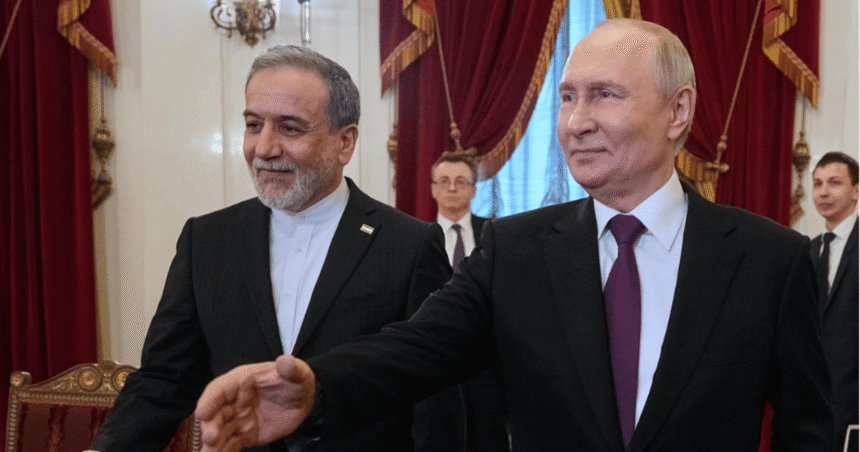
After concluding his visit to Pakistan, Araghchi traveled to Russia, Iran’s FM Abbas Araghchi Calls Islamabad where he is expected to hold high-level talks.
Objectives of the Russia Visit:
- Strengthen Tehran–Moscow cooperation
- Discuss regional security
- Coordinate diplomatic strategies
This move highlights Iran’s effort to diversify its diplomatic engagements and seek support from key global players. 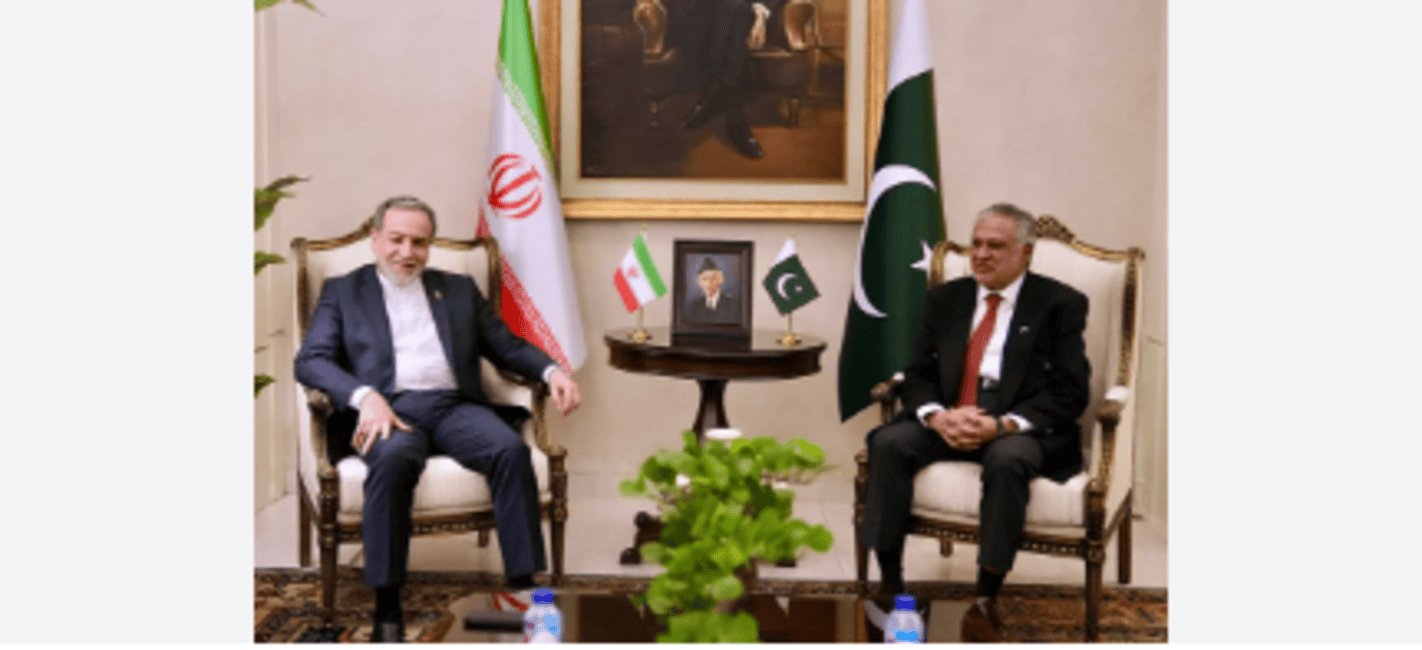 FORE MORE INFORMATION
6. Russia’s Role: Strategic Ally and Mediator
Russia has positioned itself as both a partner and a potential mediator in the conflict.
Reports indicate that Vladimir Putin has expressed willingness to support Iran and facilitate peace efforts,Iran’s FM Abbas Araghchi Calls Islamabad.
Key Aspects of Russia–Iran Relations:
- Military and intelligence cooperation
- Shared geopolitical interests
- Opposition to U.S. influence
Araghchi’s visit underscores the growing importance of this partnership.
7. Broader Diplomatic Tour: Oman and Beyond
Before arriving in Pakistan, Araghchi had also visited Oman, Iran’s FM Abbas Araghchi Calls Islamabad another key player in regional diplomacy.
Importance of Oman:
- Long-standing mediator in Iran–U.S. talks
- Strategic location near the Strait of Hormuz
- Neutral diplomatic stance
This multi-country tour reflects Iran’s strategy of engaging multiple partners simultaneously.
8. Strait of Hormuz: A Critical Factor
The Strait of Hormuz remains a central issue in the conflict.
- Vital for global oil shipments
- Frequent site of tensions and incidents
- Strategic leverage point for Iran
Discussions in Islamabad and Oman reportedly included coordination on security in the region.
9. Trump’s Position: No Rush, But Pressure Builds
Meanwhile, Donald Trump has reiterated that the U.S. is in no rush for negotiations, Iran’s FM Abbas Araghchi Calls Islamabad while maintaining pressure on Iran.
He has emphasized that:
- Iran must initiate meaningful proposals
- Talks will occur only on favorable terms
- Military and economic pressure will continue
This stance has contributed to the current diplomatic deadlock.
10. Cancellation of Islamabad Talks: A Missed Opportunity
A planned meeting between U.S. envoys and Iranian officials in Islamabad was reportedly canceled after disagreements over participation.
This incident highlights:
- Fragility of diplomatic efforts
- Lack of coordination between parties
- Deep mistrust on both sides
11. Military Tensions Continue Despite Diplomacy
Even as diplomatic efforts continue, Iran’s FM Abbas Araghchi Calls Islamabad military tensions remain high.
Key Developments:
- Naval deployments in strategic waters
- Continued surveillance and operations
- Risk of accidental escalation
This dual track of diplomacy and military readiness defines the current phase of the conflict.
12. Global Implications: A Crisis with Wide Impact
The Israel–Iran conflict has far-reaching consequences:
- Energy markets remain volatile
- Shipping routes face disruption
- Regional stability is under threat
Countries across the world are closely monitoring developments.
13. Iran’s Strategy: Multi-Track Diplomacy
Iran’s approach appears to involve:
- Engaging regional partners
- Strengthening alliances
- Keeping negotiation options open
By calling the Islamabad visit “successful,” Araghchi signaled that progress is being made, even if slowly,Iran’s FM Abbas Araghchi Calls Islamabad. 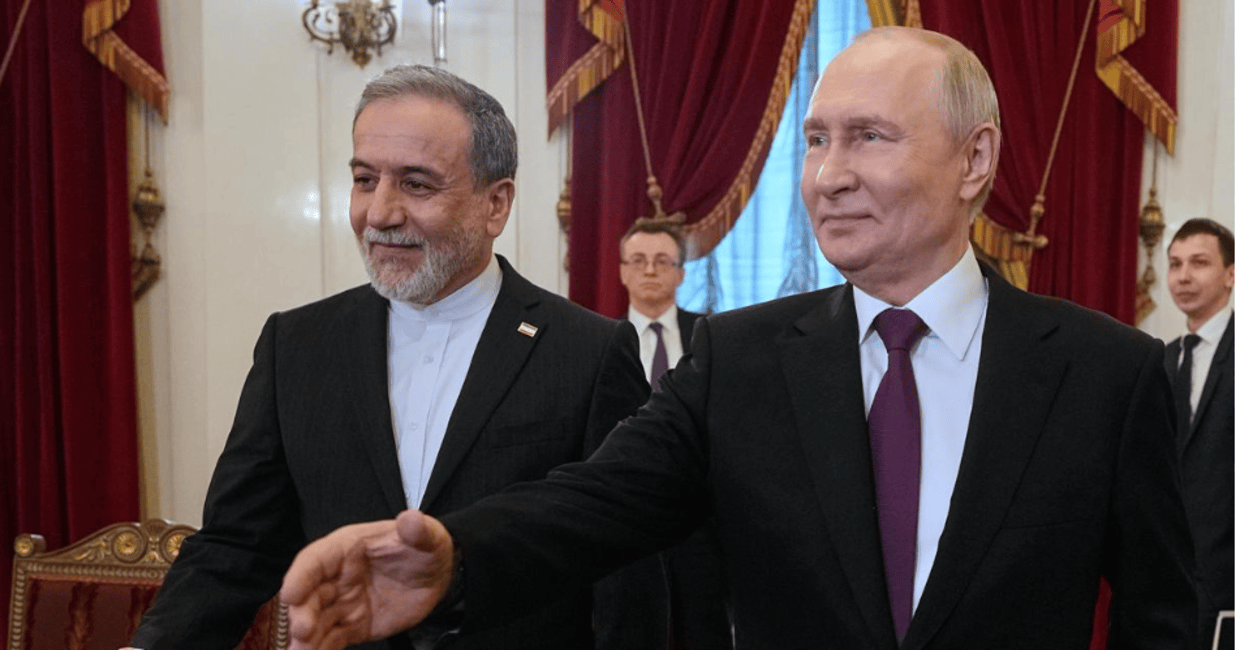 FORE MORE INFORMATION
14. Challenges Ahead: Obstacles to Peace
Several challenges continue to hinder progress:
- Deep mistrust between Iran and the U.S.
- Conflicting demands
- Ongoing military tensions
Without compromise, achieving a lasting resolution will be difficult.
15. Future Outlook: What Comes Next?
Possible Scenarios:
- Resumption of talks through intermediaries
- Continued diplomatic stalemate
- Escalation into broader conflict
The outcome will depend on how both sides navigate the current situation.
16. Conclusion: A Delicate Balance Between War and Diplomacy
The statement by Abbas Araghchi describing his Islamabad visit as “successful” reflects cautious optimism in an otherwise tense geopolitical environment.
As he engages with Russia and other regional players, Iran’s FM Abbas Araghchi Calls Islamabad the focus remains on finding a path toward peace. However, with negotiations stalled and pressures mounting, the situation continues to hang in a delicate balance between diplomacy and conflict.
17. Key Highlights (Quick Summary)
- Araghchi calls Islamabad visit “successful” after consultations
- Pakistan plays key mediating role
- Talks with the U.S. remain stalled
- Iran strengthens ties with Russia
- Conflict continues amid fragile diplomacy ALSO READ:-AAP Seeks Disqualification of Raghav Chadha, Other Alleged Defecting MPs; Submits Formal Plea 2026