





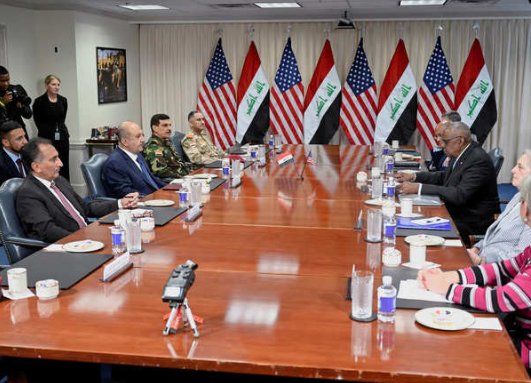
Iraq and U.S. Agree In a significant development for Middle Eastern geopolitics, Iraq and the United States have reached an agreement on a phased withdrawal of coalition troops stationed in Iraq. This decision marks a crucial pivot in the ongoing battle against the Islamic State (IS) group and reflects broader shifts in regional security dynamics. With approximately 2,500 U.S. troops in Iraq and 900 in Syria as part of the international coalition, this decision will reshape the landscape of military engagement in the region. This article delves into the details of the agreement, its implications for Iraq, the U.S., and the broader international community, and the potential consequences for the fight against IS.
Iraq and U.S. Agree Historical Context
The U.S. military involvement in Iraq dates back to the early 2000s, with the initial invasion in 2003 leading to a prolonged period of conflict and instability. The rise of IS in 2014 further complicated the situation, prompting a coalition of international forces led by the U.S. to intervene. Over the years, the coalition’s presence has been instrumental in reclaiming territory from IS and restoring some semblance of order to the region. However, as IS has been significantly weakened, the role of international troops has come under increasing scrutiny.
The Iraq and U.S. Agree Agreement: Key Details
The newly agreed-upon phased withdrawal plan reflects a mutual understanding between the Iraqi government and U.S. officials. The details of the agreement are still emerging, but several key points have been outlined:
- Phased Withdrawal: The agreement outlines a gradual reduction of coalition troops, starting with a phased drawdown over the coming months. This approach aims to ensure that security responsibilities are effectively transferred to Iraqi forces without compromising the gains made in the fight against IS.
- Iraq and U.S. Agree Focus on Training and Support: As combat troops leave, the remaining coalition forces will shift their focus to training, advising, and supporting Iraqi security forces. This transition is designed to bolster the capabilities of local forces and enable them to maintain stability independently.
- Iraq and U.S. Agree Coordination with Local Authorities: The phased withdrawal will be closely coordinated with Iraqi authorities to ensure a smooth transition. Both sides have committed to regular consultations to address any emerging security concerns and adjust the plan as needed.
- Iraq and U.S. Agree Regional Implications: The agreement also addresses the presence of coalition troops in Syria, where U.S. forces have been involved in counter-IS operations. The withdrawal plan includes provisions for a coordinated approach to ensure that security gaps are minimized across the border.
 for more information click on this link
Implications for Iraq and U.S. Agree
The phased withdrawal of coalition troops represents a significant shift in Iraq’s security landscape. For Iraq, this agreement holds several implications:
- Increased Sovereignty: The withdrawal of foreign troops aligns with Iraq’s long-standing desire to assert its sovereignty and reduce external military influence. The agreement is likely to be viewed positively by many Iraqis who have long sought a reduction in foreign military presence.
- Enhanced Security Responsibilities: With the departure of coalition forces, Iraqi security forces will face increased responsibility for maintaining stability. While the agreement includes provisions for continued support and training, the effectiveness of Iraqi forces in managing security will be closely monitored.
- Political Repercussions: The agreement is expected to have political ramifications within Iraq. The decision could impact the balance of power among various political factions and influence the country’s domestic and foreign policy.
Iraq and U.S. Agree Implications for the United States
For the U.S., the agreement represents a strategic recalibration of its military presence in the region:
- Shift in Strategy: The phased withdrawal reflects a shift from direct combat operations to a more supportive and advisory role. This change aligns with broader U.S. strategic objectives and allows for a reevaluation of military priorities in the Middle East.
- Diplomatic Considerations: The agreement underscores the importance of maintaining strong diplomatic relations with Iraq. The U.S. will need to navigate the transition carefully to ensure continued cooperation and avoid any potential fallout from the withdrawal.
- Regional Security Dynamics: The withdrawal of U.S. troops could influence regional security dynamics, particularly in relation to IS and other militant groups. The U.S. will need to monitor developments closely and adjust its strategy as necessary to address emerging threats.
Iraq and U.S. Agree International Reactions
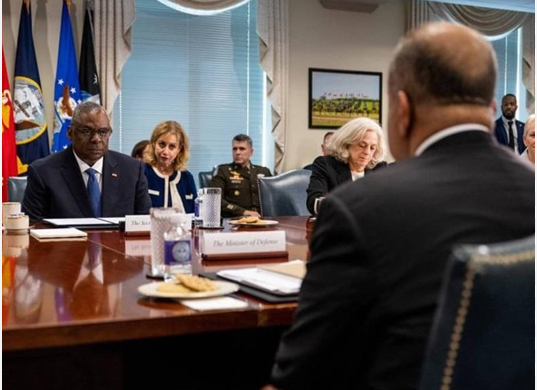
The phased withdrawal agreement has elicited a range of reactions from the international community:
- Support from Allies: Many of the U.S.’s international allies have expressed support for the agreement, recognizing the importance of a coordinated approach to security and stability in the region. The shift in strategy aligns with broader goals of promoting local ownership and reducing reliance on external forces.
- Concerns from Regional Actors: Some regional actors have voiced concerns about the potential impact of the withdrawal on security and stability. Neighboring countries and other stakeholders will be watching the situation closely and may seek to influence the outcome through diplomatic or other means.
- Impact on Humanitarian Efforts: The withdrawal could impact ongoing humanitarian efforts in Iraq and Syria. Ensuring that security conditions remain conducive to humanitarian work will be a key consideration as the transition unfolds.
 for more information click on this link
Challenges and Opportunities
The phased withdrawal presents both challenges and opportunities for Iraq, the U.S., and the broader international community:
- Challenges:
- Maintaining Stability: Ensuring that the withdrawal does not lead to a resurgence of IS or other militant groups will be a significant challenge. Effective coordination and support for Iraqi security forces will be crucial.
- Political Stability: The agreement’s impact on Iraq’s internal political dynamics will need to be carefully managed to avoid exacerbating existing tensions.
- Iraq and U.S. Agree Opportunities:
- Strengthening Iraq and U.S. Agree Security Forces: The focus on training and advising presents an opportunity to enhance the capabilities of Iraqi forces and promote long-term stability.
- Iraq and U.S. Agree Diplomatic Engagement: The agreement provides a platform for renewed diplomatic engagement and cooperation between Iraq and the U.S., with potential benefits for broader regional relations.
Conclusion
The agreement between Iraq and the United States on a phased coalition troop pullout marks a significant development in the ongoing struggle against IS and the broader quest for stability in the Middle East. As the phased withdrawal unfolds, the focus will shift to ensuring a smooth transition, supporting Iraqi security forces, and addressing the evolving security landscape. The implications of this decision will resonate across the region and beyond, shaping the future of Middle Eastern geopolitics and the international community’s role in the fight against terrorism. ALSO READ:- Odisha Braces for Heavy Rain as Depression Forms in Bay of Bengal: Preparing for the Impact 2024