




A Wake-Up Call for Environmental Accountability in India
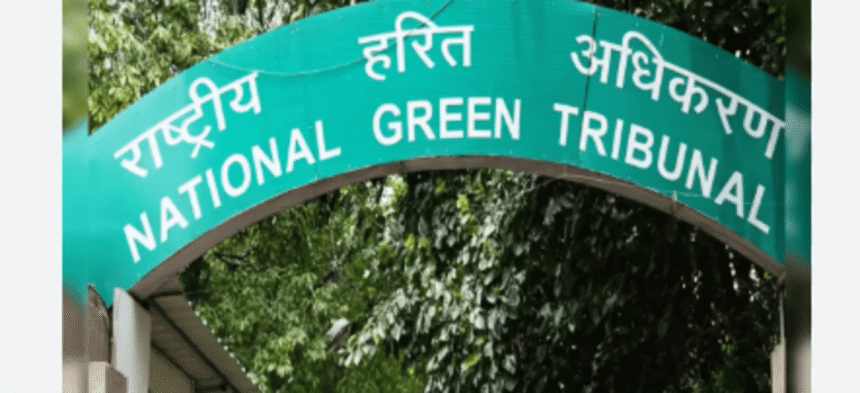
NGT Warns Southern States in a significant development that underscores the urgency of tackling air pollution, the National Green Tribunal (NGT) has issued a stern warning to several southern States of India regarding the underutilisation of funds allocated for improving air quality. The tribunal has cautioned that failure to properly deploy these funds could invite financial penalties, marking a decisive shift toward stricter environmental governance and accountability.
This directive comes at a time when India continues to grapple with deteriorating air quality in both metropolitan and non-metropolitan regions. While northern cities like Delhi often dominate headlines due to severe pollution levels, southern States are not immune. The NGT’s order signals that environmental compliance is not optional and that even regions with relatively better air quality must remain vigilant and proactive.
Background: The Clean Air Funds Initiative
The clean air funds in question are part of the broader efforts under the National Clean Air Programme (NCAP), a flagship initiative launched by the Government of India in 2019. The programme aims to reduce particulate matter pollution by 20–30% by 2024 (later extended), focusing on cities that consistently fail to meet national air quality standards.
Under NCAP and related schemes, financial resources are allocated to States and urban local bodies for measures such as:
- Installation of air quality monitoring stations
- Dust control initiatives
- Traffic management improvements
- Promotion of public transport
- Industrial emission control
- Public awareness campaigns
Despite the availability of these funds, reports suggest that several States have either been slow in utilising them or have failed to implement effective pollution control strategies.
NGT’s Observations: A Serious Concern
The NGT’s recent order is based on data and compliance reports submitted by State governments. The tribunal observed that substantial amounts of allocated funds remain unspent or poorly utilised, raising serious concerns about administrative inefficiency and lack of prioritisation.
The tribunal noted that:
- Some States have not even prepared comprehensive action plans for air quality improvement.
- In several cases, funds were allocated but not disbursed to implementing agencies.
- Monitoring mechanisms are either weak or non-existent.
- There is inadequate coordination between State departments and local bodies.
The NGT emphasized that such lapses defeat the very purpose of the clean air initiative and delay the benefits intended for citizens.
Southern States Under Scrutiny
While the order applies broadly, it specifically highlights certain southern States where fund utilisation has been particularly poor. These include:
- Tamil Nadu
- Karnataka
- Telangana
- Andhra Pradesh
- Kerala
These States, known for relatively better governance indicators in other sectors, now face criticism for lagging in environmental management. The NGT’s warning serves as a reminder that economic development must go hand-in-hand with environmental sustainability. 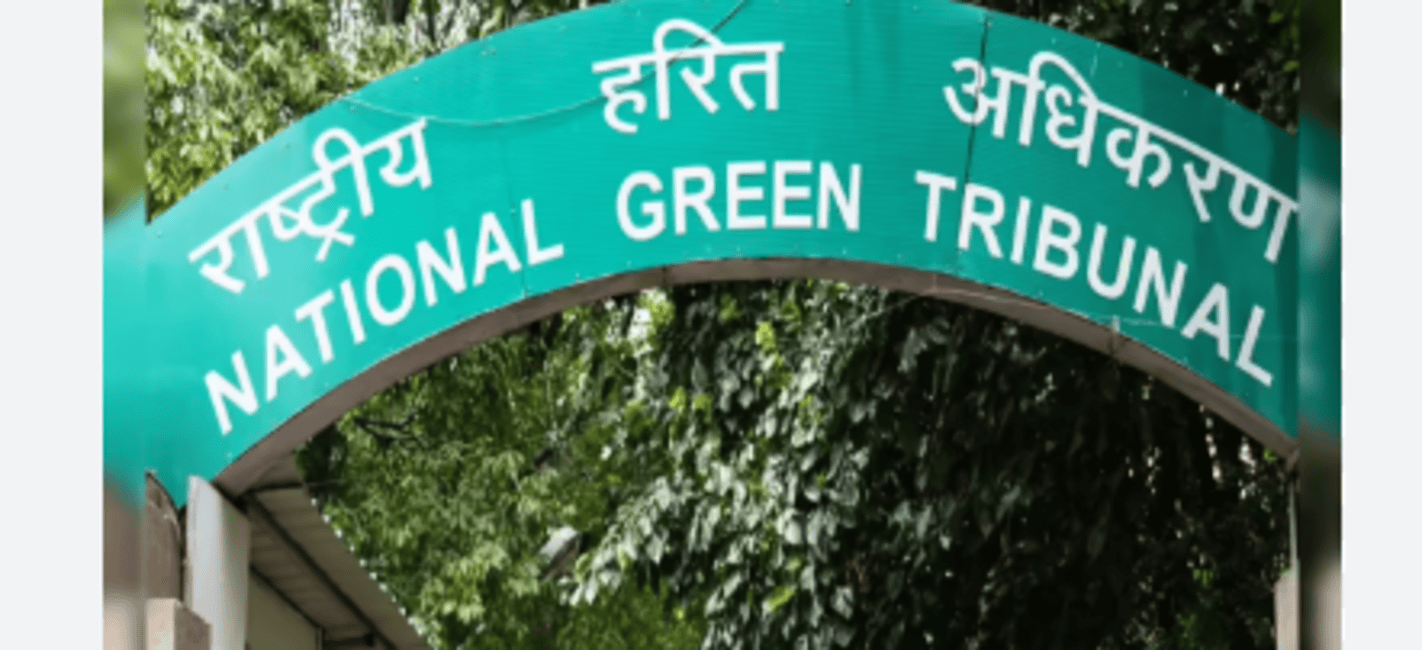 FORE MORE INFORMATION
The Penalty Clause: A Strong Deterrent
One of the most striking aspects of the NGT’s order is the mention of financial penalties. The tribunal has made it clear that continued failure to utilise funds effectively could lead to fines imposed on the States.
This is significant for several reasons:
- Accountability: It places direct responsibility on State governments and officials.
- Urgency: It accelerates decision-making and implementation processes.
- Precedent: It sets an example for other environmental issues where compliance is often delayed.
The NGT has the authority to impose environmental compensation under the “polluter pays” principle, a well-established legal doctrine in India’s environmental jurisprudence.
Why Fund Utilisation Matters
The underutilisation of clean air funds is not just a bureaucratic issue—it has real-world consequences for public health, economic productivity, and ecological balance.
1. Public Health Crisis
Air pollution is a major contributor to respiratory diseases, cardiovascular conditions, and premature deaths. According to various studies, millions of Indians are exposed to harmful air pollutants daily.
2. Economic Impact
Poor air quality leads to increased healthcare costs, reduced workforce productivity, and lower quality of life, all of which have economic implications.
3. Environmental Degradation
Air pollution affects soil quality, water bodies, and biodiversity, creating a cascading effect on ecosystems.
By failing to utilise funds, States are essentially missing an opportunity to mitigate these risks.
Challenges Faced by States
While the NGT’s warning is justified, it is also important to understand the challenges that States face in implementing clean air initiatives:
Administrative Bottlenecks
Complex approval processes and lack of coordination between departments often delay project execution.
Technical Limitations
Many local bodies lack the expertise required to design and implement pollution control measures.
Data Gaps
Inadequate air quality monitoring infrastructure leads to poor data, making it difficult to formulate effective policies.
Financial Mismanagement
In some cases, funds are diverted or remain unused due to lack of planning.  FORE MORE INFORMATION
The Role of Urban Local Bodies
Urban local bodies (ULBs) play a crucial role in executing air quality improvement measures. However, NGT Warns Southern States their capacity is often limited due to:
- Insufficient manpower
- Lack of technical knowledge
- Financial constraints
The NGT has stressed the need for empowering ULBs through training, NGT Warns Southern States funding, and institutional support.
Need for a Multi-Stakeholder Approach
Improving air quality is not the responsibility of governments alone. It requires a coordinated effort involving:
- Government agencies
- Industries
- नागरिक समाज (civil society)
- Researchers and experts
- Citizens
Public participation, in particular, NGT Warns Southern States is critical. Awareness campaigns and community engagement can significantly enhance the effectiveness of pollution control measures.
Technology as a Game Changer
Modern technology offers innovative solutions for air quality management:
- Real-time monitoring systems
- AI-based pollution forecasting
- Electric mobility
- Smart traffic management
- Industrial emission tracking
States that leverage these technologies can achieve better outcomes with the available funds.
Case Studies: Lessons from Other Regions
Some Indian cities and States have demonstrated effective utilisation of clean air funds:
Delhi’s Graded Response Action Plan (GRAP)
Though challenges remain, NGT Warns Southern States Delhi’s structured approach to pollution control provides a model for other regions.
Maharashtra’s Pollution Control Measures
Cities like Mumbai and Pune have implemented dust control and traffic management initiatives with measurable impact.
These examples highlight the importance of planning, execution, and monitoring.
Judicial Activism and Environmental Governance
The NGT has emerged as a key player in India’s environmental governance framework. Its proactive approach has led to:
- Stricter enforcement of environmental laws
- Increased accountability of government agencies
- Greater public awareness
The recent order reinforces the tribunal’s commitment to ensuring that policies translate into action.  FORE MORE INFORMATION
The Way Forward
To address the concerns raised by the NGT, NGT Warns Southern States southern States must take immediate and concrete steps:
1. Develop Clear Action Plans
States should create detailed, time-bound strategies for utilising clean air funds.
2. Strengthen Monitoring Mechanisms
Regular audits and progress reports can ensure transparency and accountability.
3. Enhance Coordination
Better collaboration between departments and agencies is essential.
4. Build Capacity
Training programmes for officials and local bodies can improve implementation efficiency.
5. Encourage Innovation
Adopting new technologies and best practices can accelerate progress.
Conclusion: A Critical Moment for Environmental Action
The NGT’s warning is more than just a legal directive—it is a call to action. As India strives to balance development with sustainability, effective utilisation of resources becomes crucial.
Southern States, often seen as leaders in governance, NGT Warns Southern States now have an opportunity to set an example in environmental management. By acting swiftly and decisively, they can not only avoid penalties but also ensure cleaner air and a healthier future for their citizens. ALSO READ:-From Advisory to Action: What It Takes to Make Heat Action Plans Legally Binding in India 2026