



One Person, One Vote, India’s Parliament witnessed a sharp and politically charged debate after Union Home Minister Amit Shah raised concerns in the Lok Sabha over what he described as a violation of the democratic principle of “one person, one vote, one value.” His remarks did not merely touch upon constitutional theory but opened up a broader and more complex discussion around representation, delimitation, population imbalance, and the contentious “north-south divide” narrative.
In a speech that combined constitutional reasoning with political messaging, Shah dismissed claims of a regional divide as “detrimental to the country” and asserted that such narratives would not dent the popularity of the government. He also launched a scathing attack on the Opposition, remarking that even if they “greyed their hair,” they would not come to power. The statement, both provocative and strategic, has since triggered intense reactions across the political spectrum.
This article explores the constitutional foundation of Shah’s argument, the historical context of delimitation in India, the political implications of his remarks, and the broader debate over representation and federal balance.
Understanding the Principle: One Person, One Vote, One Value
The principle of “one person, one vote, one value” is a cornerstone of modern democracy. It ensures that each citizen’s vote carries equal weight in determining electoral outcomes. In India, this principle is embedded in the constitutional framework, particularly through provisions that guarantee universal adult suffrage and equal representation. 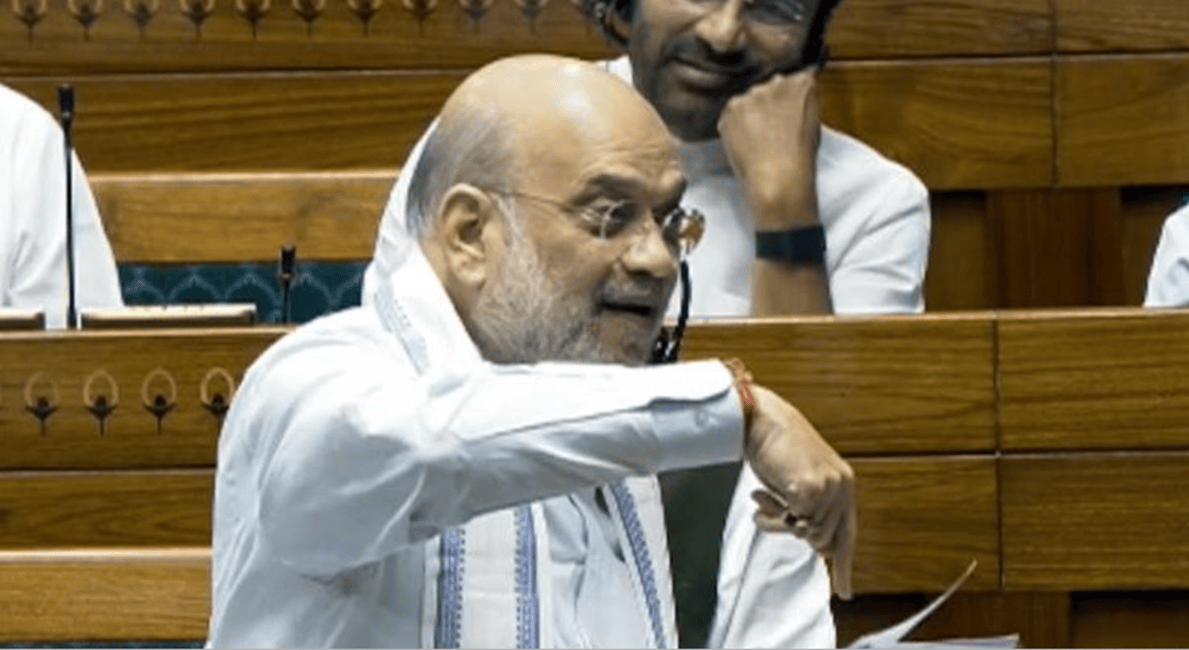 FORE MORE INFORMATION
However, in practice, maintaining this equality is a complex task, especially in a country as vast and diverse as India. Differences in population growth across states, combined with a freeze on delimitation, have led to disparities in representation. As a result, the value of a vote in one state may differ from that in another—precisely the concern raised by Amit Shah.
Delimitation: The Core of the Issue
At the heart of the debate lies the process of delimitation—the redrawing of parliamentary and assembly constituencies based on population data. India last undertook a major delimitation exercise based on the 1971 Census.
In 1976, during the period of the Emergency under Indira Gandhi, the government froze the allocation of Lok Sabha seats among states to encourage population control measures. This freeze was later extended until 2026.
While the intention behind the freeze was to prevent states that had successfully controlled population growth from being penalized, it has had unintended consequences. States with rapidly growing populations—primarily in northern India—now have constituencies with significantly larger populations compared to those in southern states.
This imbalance means that a Member of Parliament (MP) from a populous state may represent far more citizens than an MP from a less populous state, thereby diluting the principle of equal vote value.
Amit Shah’s Argument in the Lok Sabha
In his address, Amit Shah argued that the current system undermines democratic fairness. He pointed out that the disparity in population-to-representation ratios effectively results in unequal voting power across regions.
Shah emphasized that addressing this imbalance is essential to uphold the integrity of India’s democratic system. He framed the issue not as a political maneuver but as a constitutional necessity. 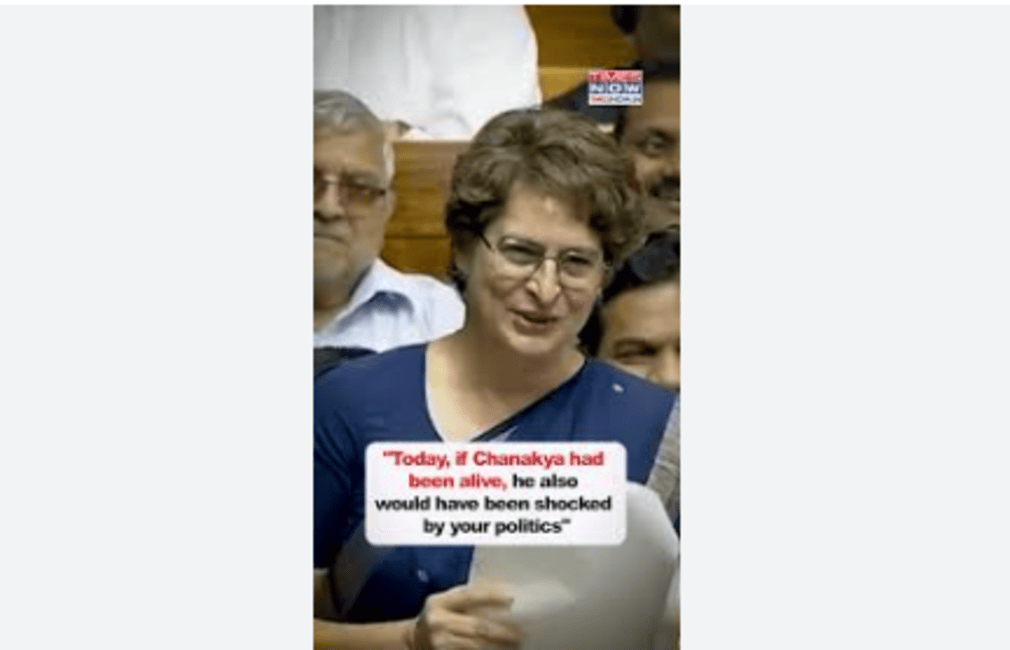 FORE MORE INFORMATION
At the same time, he dismissed fears that the exercise of delimitation would disproportionately benefit certain regions. According to him, the narrative of a “north-south divide” is politically motivated and harmful to national unity.
The “North-South Divide” Debate
One of the most contentious aspects of the discussion is the perception that delimitation could shift political power toward northern states. Southern states such as Tamil Nadu, Kerala, and Karnataka have historically performed better in controlling population growth and improving social indicators.
Leaders from these states argue that a population-based redistribution of seats would unfairly penalize them for their success. They fear a reduction in their political influence in the Lok Sabha.
However, Amit Shah categorically rejected this narrative. He stated that framing the issue as a regional conflict undermines the idea of India as a unified nation. According to him, such narratives are not only misleading but also dangerous.
Political Undertones: A Direct Attack on the Opposition
Beyond the constitutional argument, Shah’s speech carried strong political undertones. His remark that the Opposition would never come to power “even if they greyed their hair” was widely seen as a direct challenge to rival parties.
This statement reflects the ruling party’s confidence in its electoral prospects, as well as its strategy of portraying the Opposition as ineffective and out of touch with the जनता.
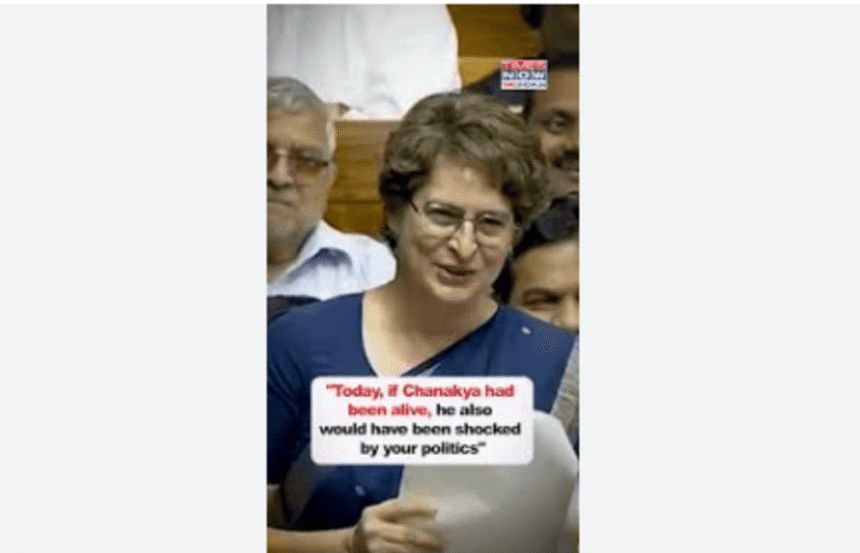
Opposition leaders, however, were quick to respond. Many accused the government of using the delimitation issue to consolidate power and shift the political balance in its favor. They argued that the timing and tone of Shah’s remarks indicate a calculated political move rather than a purely constitutional concern.
Opposition’s Concerns and Counterarguments
The Opposition has raised several concerns regarding the potential implications of delimitation:
- Political Imbalance: A population-based redistribution could significantly increase the number of seats in northern states, where the ruling party has strong support.
- Federal Structure: Critics argue that such a shift could weaken the federal balance by reducing the influence of southern states.
- Policy Disincentives: There is concern that states may feel discouraged from pursuing population control measures if they perceive a loss of political representation as a consequence.
Some Opposition leaders have called for alternative criteria for delimitation, such as development indicators or a combination of population and performance metrics.
Possible Solutions and Policy Options
Addressing the issue of unequal representation is not straightforward. Several potential solutions have been proposed:
1. Increasing the Number of Lok Sabha Seats
Expanding the total number of seats could allow for better representation without reducing any state’s existing share.
2. Strengthening the Rajya Sabha
Enhancing the role of the Rajya Sabha could help balance regional interests, as it represents states rather than population.
3. Hybrid Formula for Delimitation
A combination of population and other indicators—such as human development or governance performance—could be used to allocate seats more equitably.
4. Gradual Implementation
Phasing in changes over time could reduce the shock of sudden shifts in political power.
Implications for Future Elections
The issue of delimitation is likely to play a significant role in shaping India’s political landscape in the coming years, particularly as the 2026 deadline approaches.
If implemented, a new delimitation exercise could alter electoral dynamics, influence party strategies, and reshape alliances. It may also become a key campaign issue in future general elections. 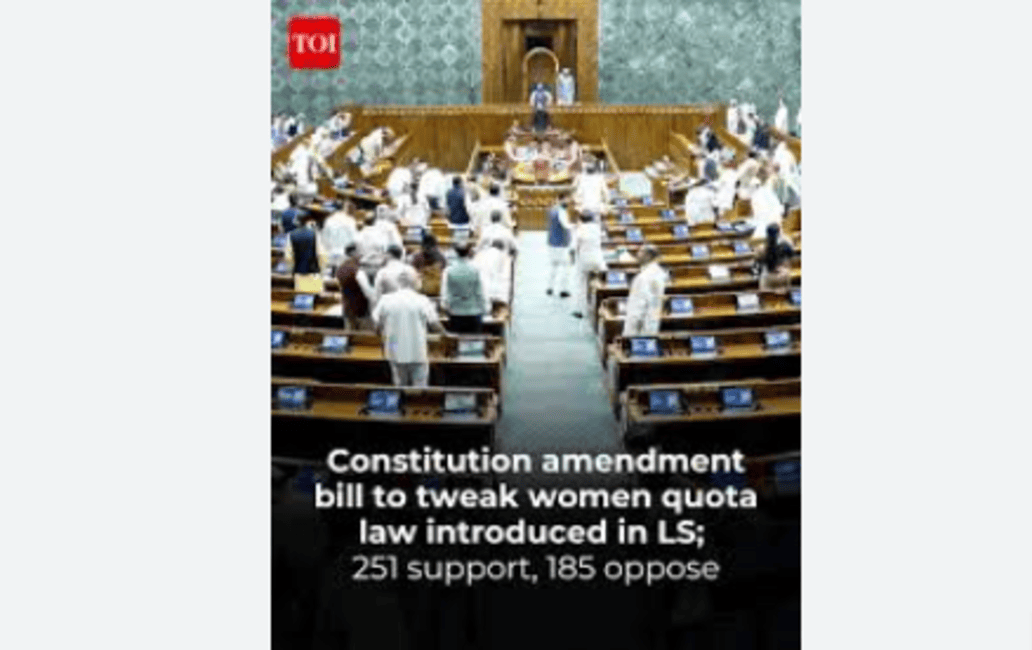 FORE MORE INFORMATION
For the ruling party, it presents an opportunity to reinforce its narrative of democratic fairness and national unity. For the Opposition, it offers a platform to mobilize support around federalism and regional equity.
Media and Public Discourse
The debate has also gained traction in the media and among the public. Analysts and commentators are divided on the issue.
Some view Shah’s remarks as a necessary intervention to correct a long-standing imbalance. Others see it as a politically motivated move with far-reaching consequences.
Public opinion, too, is mixed. While many agree with the principle of equal vote value, there is concern about how it will be implemented and who stands to gain or lose.
Conclusion: A Defining Debate for Indian Democracy
The debate triggered by Amit Shah in the Lok Sabha goes beyond immediate political considerations. It strikes at the heart of India’s democratic and federal structure.
The principle of “one person, one vote, one value” is fundamental, but its implementation in a diverse and unequal society requires careful balancing. Ensuring fairness in representation while preserving regional equity is a complex challenge.
As India approaches the next phase of its democratic evolution, the choices made on this issue will have lasting implications. Whether through consensus or confrontation, the resolution of this debate will shape the future of the world’s largest democracy. ALSO READ:- T20 World Cup IND vs ZIM: Is Sanju Samson’s Extended Net Session a Sign of India’s Top-Order Rejig? 2026