

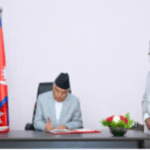




Chief Justice significant shift aimed at restructuring the country’s judicial framework, Pakistan has passed a constitutional amendment bill that limits the tenure of the Chief Justice of Pakistan to three years. This move has sparked widespread debate and discussion across legal, political, and public spheres. While the government argues that this amendment will bring more stability and accountability to the judicial system, critics view it as a direct attempt to undermine the judiciary’s independence.
As Pakistan continues to grapple with complex political and legal issues, this latest development is expected to have profound implications for the future of the country’s governance and the balance of power between its institutions. Let’s explore the key aspects of this constitutional amendment, its background, and what it might mean for Pakistan’s judiciary and democratic landscape.
1. The Context Behind the Amendment
The judiciary in Pakistan has long played a pivotal role in the country’s political system. Over the years, the courts, particularly the Supreme Court, have been involved in landmark rulings that have shaped Pakistan’s political landscape, often acting as a check on executive overreach. However, the judiciary’s role has not been without controversy, with accusations of political interference and overstepping its constitutional mandate.
The current amendment, which caps the Chief Justice’s tenure to three years, is seen by the government as a way to ensure that no single individual wields disproportionate power over an extended period. The government has argued that the position of the Chief Justice, with its enormous influence over legal and political matters, should have a set term to promote transparency and avoid any potential misuse of authority.
Previously, the Chief Justice of Pakistan served until the mandatory retirement age of 65. This allowed for varying lengths of tenures, depending on when a justice was appointed. Some Chief Justices served for only a few months, while others remained in office for several years, which created an uneven balance of power and led to concerns about the consistency of judicial leadership.
2. Government’s Justification: Ensuring Accountability and Rotation
The proponents of the amendment bill, primarily from the ruling government, argue that capping the tenure at three years will ensure greater accountability within the judiciary. By instituting a fixed term, they believe it will allow for more frequent rotations in leadership, preventing the consolidation of power in the hands of one individual. 
The government’s legal representatives have stated that this move will make the judiciary more dynamic and flexible, as new leaders will have the opportunity to bring fresh perspectives to the office of the Chief Justice. Furthermore, it is argued that this change will encourage a more collaborative judicial system, where no single individual can dominate the legal discourse for an extended period.
Prime Minister’s office, in its official statement, said, “This constitutional amendment reflects our commitment to democratic principles and the rule of law. We believe that this move will foster a more balanced judicial system, one that is responsive to the needs of the people and reflective of a democratic ethos.”
3. The Controversy and Criticism
Despite the government’s justification, the amendment has been met with significant criticism from legal experts, opposition parties, and civil society groups. Many believe that this move is an attempt by the government to curb the independence of the judiciary, especially in a country where the separation of powers is often fragile.
Critics argue that limiting the tenure of the Chief Justice could weaken the judiciary’s ability to act as an independent check on the government. They fear that frequent changes in the leadership of the Supreme Court could lead to instability within the judiciary and make it more susceptible to political influence.
A major point of concern is that the amendment may be part of a broader effort to undermine the judiciary’s ability to hold the government accountable. There have been instances in Pakistan’s history where the judiciary has stood up to the executive branch, and some see this move as a preemptive measure to weaken that power.
The opposition has been vocal in its opposition to the bill, with several key political figures accusing the government of trying to “tame” the judiciary. Former Prime Minister and leader of the opposition, Shahbaz Sharif, called the amendment “a direct attack on the judiciary’s independence,” stating that it would diminish the court’s ability to safeguard the constitution and protect the rights of citizens.
4. Impact on Judicial Independence
The independence of the judiciary is a cornerstone of any democratic system, and Pakistan is no exception. For decades, the courts have played a critical role in upholding the rule of law and protecting the rights of citizens, even in the face of political pressure.
However, this constitutional amendment raises questions about how the judiciary will maintain its independence in the future. With the tenure of the Chief Justice capped at three years, some legal experts fear that the government could exert more influence over the appointment process, potentially leading to the selection of more pliant judges who are sympathetic to the ruling party’s interests.
Legal analyst Maria Ahmed commented, “This amendment could result in a revolving door of Chief Justices, making it difficult for the judiciary to maintain its independence and assert its authority over time. A fixed tenure could also make it easier for the executive to predict and influence judicial appointments, which is concerning in a country with a history of political interference in the courts.”
Furthermore, there are concerns that this change could lead to short-term thinking within the judiciary, as each Chief Justice may focus on implementing their own priorities and policies during their limited tenure, rather than ensuring long-term consistency in judicial rulings.
5. Potential Benefits: Stability and Modernization
While the amendment has its critics, some legal scholars argue that it could bring certain benefits to the judicial system. By limiting the tenure of the Chief Justice, the amendment could promote a more stable and predictable leadership structure within the Supreme Court. It would prevent long-serving Chief Justices from becoming too entrenched in their positions, potentially allowing for more balanced and impartial decision-making.
The three-year tenure cap might also encourage modernization within the judiciary, as new Chief Justices could introduce reforms and improvements more regularly. With fresh leadership entering the Supreme Court every few years, there could be more opportunities to address the evolving needs of the legal system and society at large.
Advocate Fahad Ali noted, “The judiciary, like any other institution, needs to evolve and adapt to changing times. Having a fixed term for the Chief Justice might encourage a more progressive approach to legal challenges, as new leaders will bring different perspectives and ideas.”
6. A Historical Perspective: The Judiciary’s Role in Pakistan
The judiciary in Pakistan has always had a complicated relationship with the executive branch of the government. Since the country’s inception, the courts have been at the center of many political battles, from decisions on military coups to rulings on corruption cases involving high-ranking officials.
In the past, the judiciary has often been seen as a guardian of the constitution, particularly during times when democratic institutions were under threat. However, the courts have also faced criticism for being overly politicized and for sometimes aligning with military rulers or powerful political figures.
This constitutional amendment must be viewed within this historical context. While it is framed as a move to bring stability and accountability to the judiciary, it also raises concerns about whether the government is attempting to shift the balance of power in its favor, especially at a time when political tensions are high.
7. The Road Ahead: What Comes Next?
As the constitutional amendment takes effect, all eyes will be on how it impacts the judiciary’s functioning and its relationship with the other branches of government. Will it foster a more collaborative judicial system, as the government claims? Or will it lead to greater political interference in the courts, as critics fear?
The appointment process for future Chief Justices will also come under scrutiny. With a shorter tenure, there will likely be more frequent turnover in leadership, which could lead to increased political maneuvering around judicial appointments. The transparency and fairness of these appointments will be crucial in determining the long-term success of this amendment.
In the broader context, this amendment could set a precedent for future changes to Pakistan’s constitutional framework. As the country continues to navigate its complex political and legal landscape, the balance between judicial independence and government accountability will remain a key issue.
8. Conclusion: A Pivotal Moment for Pakistan’s Judiciary
The passage of the constitutional amendment bill that caps the Chief Justice’s tenure to three years marks a pivotal moment in Pakistan’s legal and political history. While the government argues that this move will bring stability, accountability, and modernization to the judiciary, critics warn that it could undermine judicial independence and open the door to greater political interference.
As Pakistan moves forward, the impact of this amendment will be closely watched, both domestically and internationally. The judiciary has long been a critical institution in the country’s democracy, and its ability to maintain its independence will be essential to upholding the rule of law and protecting the rights of Pakistan’s citizens.
Ultimately, whether this amendment strengthens or weakens Pakistan’s judicial system will depend on how it is implemented and how the judiciary adapts to these new challenges. In the meantime, the debate over the future of the judiciary—and its role in the country’s democracy—is far from over. ALSO READ:-Elon Musk’s Bold Promise: $1 Million Every Day to a Person Signing His Petition
мотбет мотбет .
mostbet kg скачать http://mostbet6006.ru .
1 win pro http://familyclub.borda.ru/?1-6-0-00002163-000-0-0-1743051813 .
поддержка мостбет https://www.mostbet6006.ru .
1win ваучер http://www.familyclub.borda.ru/?1-6-0-00002163-000-0-0-1743051813 .
win 1 https://familyclub.borda.ru/?1-6-0-00002163-000-0-0-1743051813/ .
сайт 1win официальный сайт вход https://familyclub.borda.ru/?1-6-0-00002163-000-0-0-1743051813/ .
1вин кыргызстан http://www.1win6001.ru .
1win футбол 1win футбол .
wan win https://1win6049.ru/ .
1 вин про 1 вин про .
1win скачать kg 1win скачать kg .
1vin https://www.balashiha.myqip.ru/?1-12-0-00000437-000-0-0-1743258848 .
1win online http://1win6049.ru .
1vin pro 1vin pro .
1 win.pro alfatraders.borda.ru/?1-0-0-00004932-000-0-0-1743258210 .
мостбет казино войти http://svstrazh.forum24.ru/?1-18-0-00000136-000-0-0-1743260517 .
1win личный кабинет https://1win6050.ru .
казино онлайн kg казино онлайн kg .
1 вин. https://obovsem.myqip.ru/?1-9-0-00000059-000-0-0-1743051936/ .
мрстбет мрстбет .
1win прямой эфир obovsem.myqip.ru/?1-9-0-00000059-000-0-0-1743051936 .
сайт 1win http://1win6050.ru/ .
mostbet kg mostbet kg .
1wi https://obovsem.myqip.ru/?1-9-0-00000059-000-0-0-1743051936/ .
wan win obovsem.myqip.ru/?1-9-0-00000059-000-0-0-1743051936 .
вход 1win https://1win6050.ru .
1win бк http://www.1win6050.ru .
1 вин вход https://www.1win6051.ru .
1вин официальный https://1win6051.ru .
1вин кг https://1win6052.ru .
1.вин 1win6004.ru .
1wi https://1win6052.ru .
1wi http://1win6052.ru .
скачать mostbet http://www.mostbet6029.ru .
aviator mostbet http://mostbet6029.ru/ .
mostbet скачать на телефон бесплатно андроид http://www.mostbet6029.ru .
1 win pro https://www.1win6053.ru .
1вин официальный 1вин официальный .
1вин официальный 1win6053.ru .
descărca 1win 1win5011.ru .
1win aplicația 1win5011.ru .
1win moldova download http://1win5011.ru .
1wi 1wi .
мостбет скачать на андроид https://mostbet6012.ru/ .
1хwin https://1win6009.ru .
служба поддержки мостбет номер телефона https://mostbet6012.ru .
скачать mostbet на телефон http://www.mostbet6012.ru .
вин 1 https://www.1win6009.ru .
1win букмекер 1win букмекер .
motbet motbet .
1 вин войти 1win6046.ru .
Приобрести диплом университета по выгодной стоимости возможно, обратившись к проверенной специализированной фирме. Приобрести документ о получении высшего образования вы можете в нашей компании в Москве. asxdiploman.com/kupit-diplom-s-zaneseniem-v-reestr-po-vigodnoj-tsene-23
Диплом университета Российской Федерации!
Без института сложно было продвигаться по карьерной лестнице. Заказать диплом под заказ в Москве возможно используя сайт компании: girlscools.ru/kupit-diplom-kak-vyibrat-nadezhnogo-prodavtsa
уннв ремикс скачать 25kat.ru/music/уннв .
Thanks for the article. Here’s more on the topic https://voenoboz.ru/
Thanks for the article. Here’s more on the topic https://ancientcivs.ru/
Приобрести диплом на заказ в Москве возможно через официальный сайт компании. googlegossip.com/read-blog/78327_kupit-shkolnyj-attestat-za-11-klassov.html
Мы готовы предложить документы ВУЗов, которые находятся на территории всей РФ. Приобрести диплом любого ВУЗа:
купить аттестат за 11 класс lr 63
Thanks for the article https://telegra.ph/Kakoj-shnur-vybrat-na-shchuku-Polnyj-gid-po-vyboru-01-13 .
Thanks for the article https://zehov.rusff.me/viewtopic.php?id=820#p2114 .
установка по переработке пластика http://granulyatory-1.ru/ .
Website https://imgtube.ru/
промокоды сегодня
El portal de la Clínica de Urología Moderna reúne opiniones, servicios y tratamientos para que tomes decisiones informadas.
Los aspectos clave de las cirugías urológicas avanzadas están explicados en la Clínica de Urología Moderna para pacientes.
Todo lo que necesitas saber sobre cómo se diagnostican los problemas urinarios está en la Clínica de Urología Moderna.