



India Steps Up Global Engagement with Strategic Visits, Partnerships, and Multilateral Dialogues
Introduction
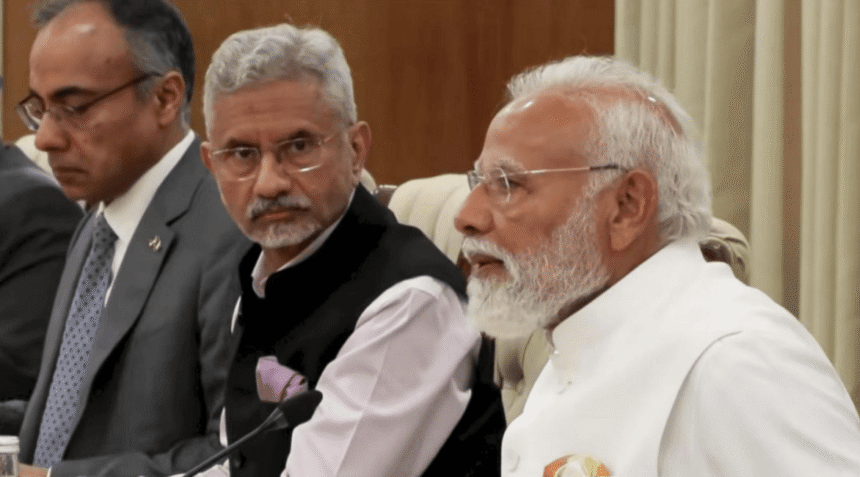
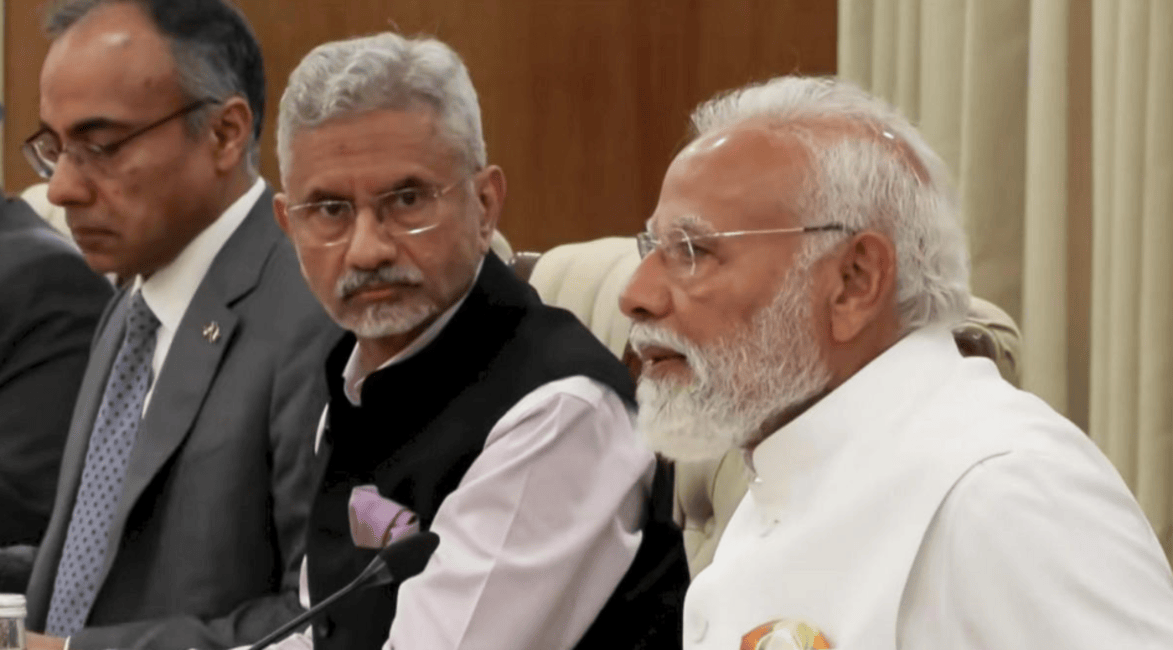
PM Modi and External Affairs Minister India’s diplomatic calendar in May has witnessed an intensified global outreach led by Prime Minister Narendra Modi and External Affairs Minister S. Jaishankar. With a series of high-profile visits, bilateral meetings, and participation in multilateral forums, New Delhi is actively strengthening its international partnerships and asserting its role on the global stage.
This coordinated diplomatic push reflects India’s evolving foreign policy priorities—balancing strategic autonomy, economic partnerships, regional security, and global leadership. As geopolitical tensions and economic uncertainties reshape international relations, India’s outreach in May signals a proactive approach to shaping the emerging world order.
A Busy Diplomatic Calendar
High-Level Visits and Engagements
Prime Minister Narendra Modi is scheduled to undertake key international visits aimed at deepening ties with strategic partners. These visits are expected to cover:
- Bilateral agreements on trade and investment
- Cooperation in technology and innovation
- Discussions on global security challenges
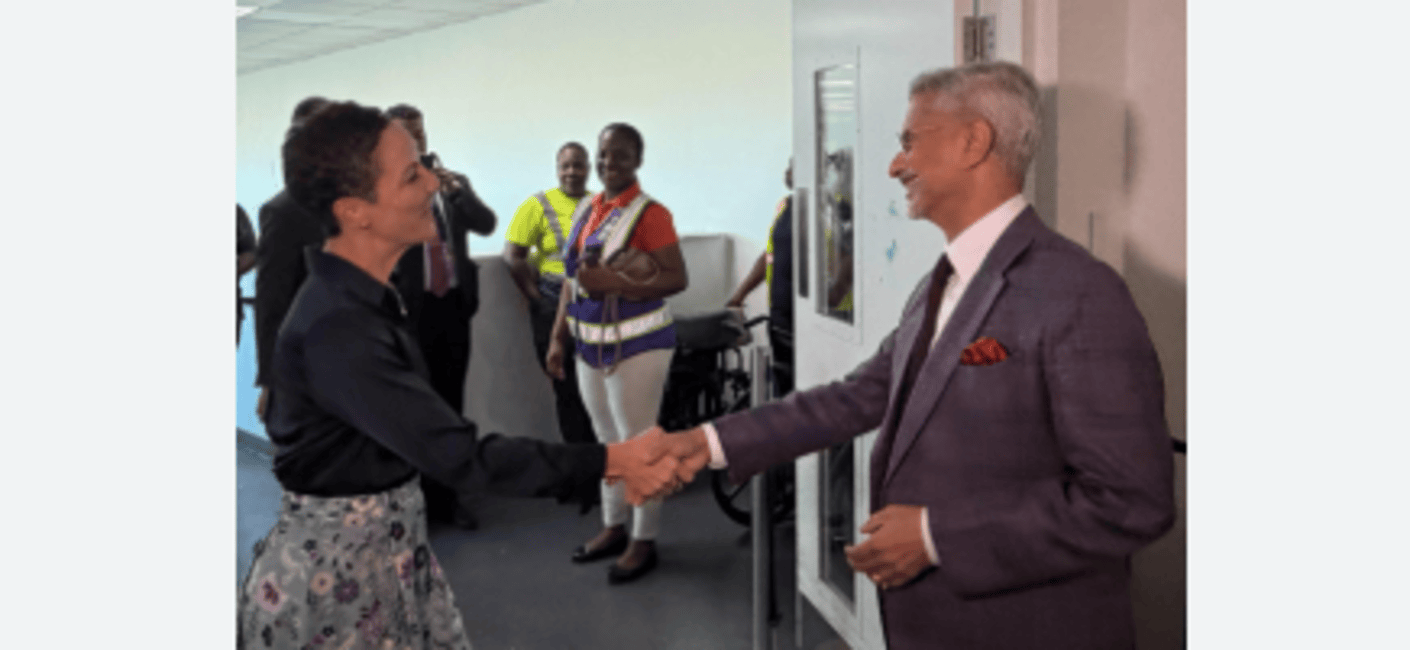
Meanwhile, S. Jaishankar has been actively engaging with counterparts across continents, reinforcing diplomatic channels and addressing pressing global issues.
Focus on Strategic Partnerships
Strengthening Ties with Major Powers
India’s outreach includes engagement with major global powers, emphasizing:
- Economic collaboration
- Defence cooperation
- Technological partnerships
The government is seeking to diversify its partnerships while maintaining strategic autonomy—a hallmark of India’s foreign policy.
Engagement with the Global South
India continues to position itself as a voice for developing nations. Outreach efforts include:
- Support for capacity building
- Advocacy for equitable global governance
- Strengthening South-South cooperation
 FORE MORE INFORMATION
Regional Diplomacy: Neighbourhood First
Focus on South Asia
Under the “Neighbourhood First” policy, India is enhancing ties with neighboring countries through:
- Development assistance
- Connectivity projects
- Security cooperation
These efforts aim to promote stability and prosperity in the region.
Act East Policy
India’s engagement with Southeast Asia remains a priority, PM Modi and External Affairs Minister focusing on:
- Trade and investment
- Maritime security
- Cultural exchanges
Multilateral Engagements
Active Participation in Global Forums
India’s diplomatic outreach includes active participation in multilateral organizations such as:
- United Nations
- G20
- BRICS
These platforms provide opportunities to:
- Advocate for global reforms
- Address climate change
- Promote sustainable development
Global Governance Reforms
India has consistently called for reforms in global institutions to reflect contemporary realities. This includes:
- Expanding representation
- Enhancing transparency
- Ensuring fairness in decision-making
Economic Diplomacy
Boosting Trade and Investment
Economic diplomacy is a key pillar of India’s outreach. Efforts are focused on:
- Attracting foreign investment
- Expanding export markets
- Strengthening supply chains
Technology and Innovation
India is also seeking partnerships in emerging sectors such as:
- Artificial intelligence
- Renewable energy
- Digital infrastructure
Security and Strategic Issues
Addressing Global Conflicts
India’s diplomatic engagements include discussions on:
- Regional conflicts
- Counter-terrorism
- Maritime security
The country continues to advocate for peaceful resolution of disputes and adherence to international law.
Defence Cooperation
Strengthening defence ties with partner countries is another priority, PM Modi and External Affairs Minister involving:
- Joint exercises
- Technology sharing
- Capacity building
Climate and Sustainability
Leadership in Climate Action
India is positioning itself as a leader in climate action, promoting:
- Renewable energy initiatives
- Sustainable development practices
- International cooperation on climate issues
Global Initiatives
India’s initiatives, such as the International Solar Alliance, PM Modi and External Affairs Minister highlight its commitment to addressing climate challenges.
Diaspora Engagement
Connecting with the Indian Diaspora
Prime Minister Narendra Modi often engages with the Indian diaspora during his visits, PM Modi and External Affairs Minister recognizing their role in:
- Strengthening bilateral ties
- Promoting India’s culture and values
- Contributing to economic development
Challenges and Opportunities
Navigating Geopolitical Tensions
India’s outreach comes at a time of heightened global tensions, PM Modi and External Affairs Minister requiring:
- Strategic balancing
- Diplomatic agility
- Pragmatic decision-making
Opportunities for Leadership
India’s growing economic and strategic importance provides opportunities to:
- Shape global discourse
- Lead initiatives on key issues
- Strengthen its global influence
 FORE MORE INFORMATION
Expert Perspectives
Foreign Policy Analysts
Experts view India’s diplomatic push as a reflection of its aspirations to play a larger role in global affairs. They emphasize the importance of:
- Consistent engagement
- Strategic clarity
- Effective implementation
The Road Ahead
Sustaining Momentum
Maintaining the momentum of diplomatic outreach will require:
- Continued engagement
- Follow-up on agreements
- Strengthening institutional frameworks
Long-Term Vision
India’s foreign policy is guided by a long-term vision of:
- Economic growth
- Strategic security
- Global leadership
Conclusion
The diplomatic outreach led by Narendra Modi and S. Jaishankar in May underscores India’s proactive approach to international relations. By engaging with global partners, PM Modi and External Affairs Minister participating in multilateral forums, and addressing key challenges, India is positioning itself as a significant player on the world stage.
As the global landscape continues to evolve, India’s ability to navigate complexities and seize opportunities will determine its role in shaping the future of international relations. The current diplomatic push is not just about immediate gains—it is about building lasting partnerships and securing India’s place in the global order. ALSO READ:-Thomas Cup 2026: India to Miss Lakshya Sen in Semifinal Against France Due to Swollen Elbow 2026