



1. Introduction: Strategic Patience Meets Rising Pressure
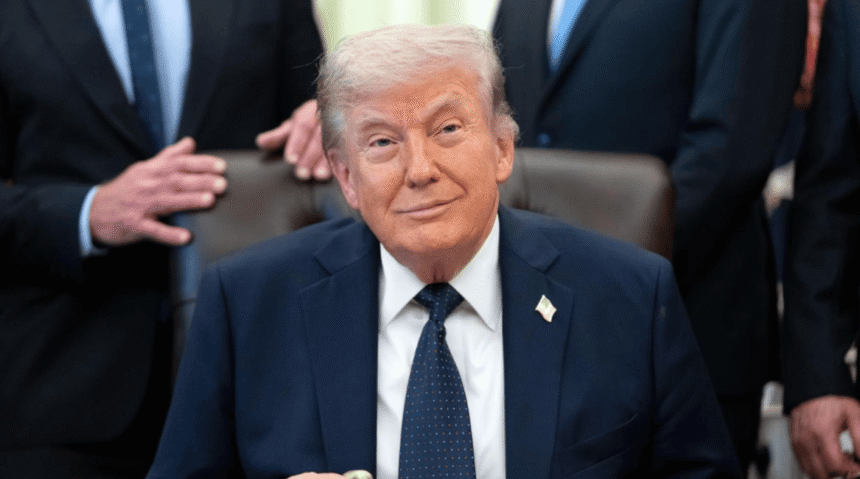
Trump Says U.S. in No Rush a significant statement reflecting the evolving dynamics of the Iran conflict, Donald Trump declared that the United States is under no pressure to end hostilities quickly, but warned that “the clock is ticking” for Iran.
This dual message—patience on one hand and urgency on the other—captures the essence of Washington’s current strategy: maintaining pressure while avoiding rushed diplomacy. As tensions simmer despite a fragile ceasefire, Trump’s remarks highlight a critical phase in the geopolitical standoff.
2. The Statement: No Rush, But No Relief for Iran
Trump’s remarks made it clear that the U.S. is not seeking a hurried resolution. He emphasized that any deal would only be finalized when it is “appropriate and good” for American interests.
At the same time, his warning that “the clock is ticking” signals that Iran does not have the luxury of time.
This contrast reflects a deliberate diplomatic posture:
- The U.S. is willing to wait
- Iran is expected to act quickly
- Pressure will intensify over time
3. Background: The Iran Conflict and Ceasefire
The ongoing conflict between the United States and Iran began earlier in 2026 and quickly escalated into a regional crisis involving maritime tensions, economic sanctions, and military deployments.
A ceasefire was introduced to:
- Halt direct military strikes
- Create space for negotiations
- Stabilize global markets
However, despite the ceasefire, tensions remain high, especially in critical areas like the Strait of Hormuz.
4. Strait of Hormuz: The Strategic Flashpoint
The Strait of Hormuz has become the केंद्र (center) of the conflict.
Key developments include:
- Iranian attacks and seizures of commercial vessels
- U.S. naval blockade and mine-clearing operations
- Disruption of global oil supplies
Trump even authorized aggressive naval action against threats in the region, underscoring the seriousness of the situation.
With nearly 20% of global oil trade passing through this route, any instability here has worldwide consequences. 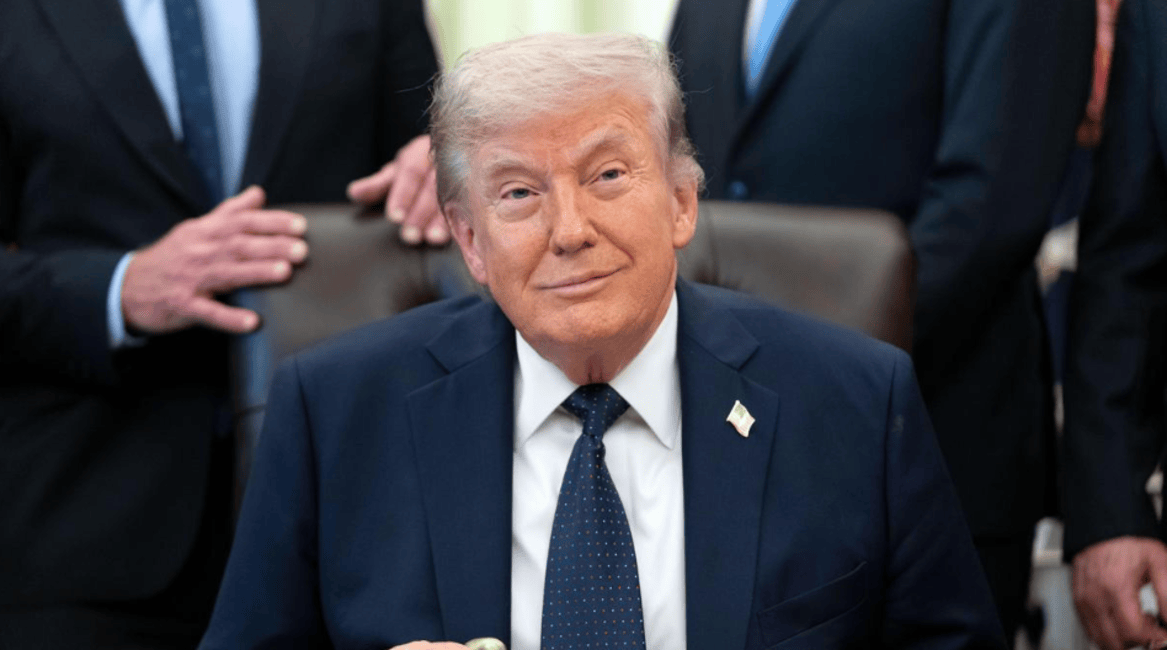 FORE MORE INFORMATION
5. U.S. Strategy: Pressure Without Urgency
The United States is pursuing a strategy that combines:
- Economic sanctions
- Military presence
- Diplomatic leverage
Trump’s statement reinforces that Washington is not desperate for a deal. Instead, it aims to:
- Extract favorable terms
- Maintain strategic dominance
- Avoid concessions under pressure
This approach reflects a broader philosophy of “maximum pressure.”
6. Military Build-Up: A Show of Strength
Recent developments indicate a significant increase in U.S. military presence in the region.
- Deployment of multiple aircraft carriers
- Strengthened naval blockade
- Increased troop presence
A third U.S. carrier group arriving near Iran signals rising military pressure.
This buildup serves as both a deterrent and a negotiating tool.
7. Iran’s Position: Limited Options, Strategic Resistance
Iran faces a complex situation:
- Economic strain due to sanctions
- Military losses and reduced capabilities
- Internal political uncertainty
Despite this, Iran continues to resist U.S. demands, Trump Says U.S. in No Rush particularly regarding:
- Lifting of sanctions
- Removal of naval blockade
- Recognition of regional influence
Iran’s strategy appears to be delaying while seeking leverage.
8. Diplomatic Deadlock: Talks in Limbo
Peace talks, which were expected to resume in places like Pakistan, have stalled.
Key reasons include:
- Disagreements over preconditions
- Continued military tensions
- Lack of mutual trust
Trump’s “no rush” stance further complicates negotiations, Trump Says U.S. in No Rush as it removes urgency from the U.S. side while increasing pressure on Iran.
9. Economic Impact: Global Markets on Edge
The conflict has had significant economic repercussions:
- Oil prices rising above $100 per barrel
- Increased shipping costs
- Supply chain disruptions
The Strait of Hormuz crisis alone has affected energy markets worldwide, Trump Says U.S. in No Rush highlighting the global stakes involved.
10. Political Messaging: Strength and Control
Trump’s statement is also a political message aimed at multiple audiences:
Domestic Audience:
- Demonstrates strong leadership
- Avoids perception of weakness
International Audience:
- Signals U.S. dominance
- Warns adversaries
Iran:
- Pressures leadership to act quickly
This layered messaging reflects the complexity of modern geopolitics.
11. “Clock Is Ticking”: What Does It Really Mean?
The phrase “clock is ticking” carries several implications:
- Iran’s economic situation may worsen
- Military pressure could increase
- Diplomatic options may narrow
It suggests a limited window for Iran to respond before conditions deteriorate further.
12. Risks of Escalation: A Fragile Balance
Despite the ceasefire, the risk of renewed conflict remains high.
Potential triggers include:
- Further attacks on ships
- Breakdown of negotiations
- Military miscalculations
Any escalation could lead to a broader regional war involving multiple countries.
13. International Reactions: Concern and Caution
Global powers are closely monitoring the situation.
- European nations are concerned about energy security
- Asian economies worry about supply disruptions
- International organizations call for restraint
There is widespread agreement on the need to avoid further escalation.  FORE MORE INFORMATION
14. Future Scenarios: What Lies Ahead
Scenario 1: Iran Responds Positively
- Talks resume
- Possible agreement reached
Scenario 2: Continued Stalemate
- Ceasefire holds
- No major progress
Scenario 3: Escalation
- Renewed conflict
- Regional instability
Each scenario carries significant consequences for global politics.
15. Conclusion: A High-Stakes Waiting Game
The statement by Donald Trump that the U.S. is in no rush while the “clock is ticking” for Iran encapsulates the current state of the conflict—a high-stakes waiting game.
While the ceasefire provides temporary relief, Trump Says U.S. in No Rush the absence of active diplomacy and the continuation of military and economic pressure suggest that the situation remains volatile.
The coming weeks will be crucial in determining whether this standoff leads to a negotiated settlement or a renewed cycle of conflict.
16. Key Highlights (Quick Summary)
- Trump says U.S. not in a hurry for a deal
- Warns that time is running out for Iran
- Ceasefire holds, but tensions remain high
- Strait of Hormuz remains a major flashpoint
- Future depends on Iran’s response and diplomatic progress ALSO READ:-Assembly Elections 2026 LIVE: PM Narendra Modi Accuses TMC of ‘PhD in Looting,’ Sparks Fierce Political Showdown 2026