





Fresh Trade Tensions Emerge as U.S.–EU Relations Face Renewed Strain
Introduction
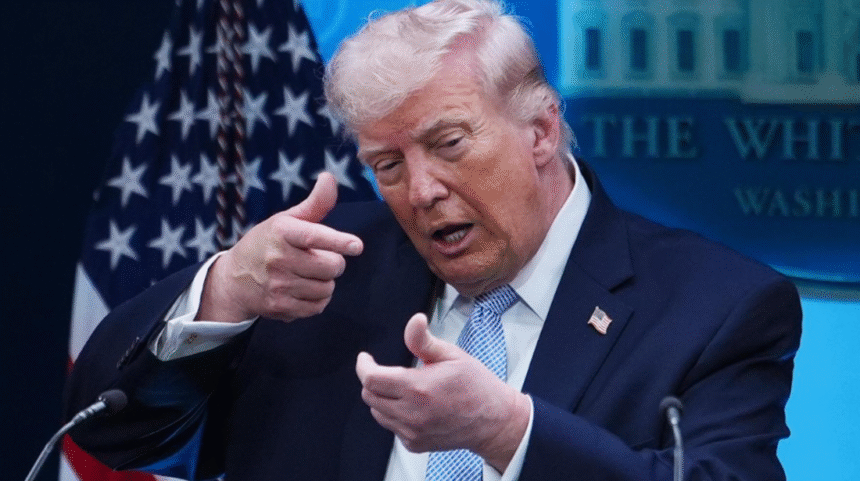
Trump Threatens 25% Tariff on EU Automobiles in a move that could significantly reshape global trade dynamics, former U.S. President Donald Trump has announced plans to impose a sweeping 25% tariff on automobiles imported from the European Union (EU). Accusing the bloc of failing to comply with the terms of an existing trade agreement, Trump’s statement has reignited fears of a transatlantic trade war.
The announcement comes at a time when global markets are already navigating economic uncertainty, geopolitical tensions, and supply chain disruptions. A tariff of this magnitude could have far-reaching consequences for the automotive industry, international trade flows, and diplomatic relations between two of the world’s largest economic powers.
Trump’s Allegations Against the European Union
Claims of Non-Compliance
Donald Trump has accused the European Union of failing to honor key provisions of a bilateral trade understanding, particularly in areas related to market access and regulatory fairness.
According to Trump:
- EU policies unfairly disadvantage American automakers
- Non-tariff barriers restrict U.S. vehicle exports
- The trade relationship remains “deeply imbalanced”
He has argued that the proposed 25% tariff is necessary to “level the playing field” and protect American manufacturing jobs.
“America First” Trade Doctrine Returns
The proposed tariff aligns with Trump’s long-standing “America First” economic philosophy, Trump Threatens 25% Tariff on EU Automobiles which emphasizes:
- Reducing trade deficits
- Encouraging domestic production
- Challenging multilateral trade arrangements
This approach was a hallmark of his previous administration, Trump Threatens 25% Tariff on EU Automobiles during which the U.S. imposed tariffs on several countries, including China and allies in Europe.
Understanding the Proposed Tariff
What Does a 25% Tariff Mean?
A tariff is essentially a tax imposed on imported goods. A 25% tariff on EU automobiles would:
- Increase the cost of European cars in the U.S. market
- Potentially reduce demand for imports
- Encourage consumers to buy domestically produced vehicles
Scope of the Measure
The tariff could affect a wide range of vehicles, including:
- Luxury cars from Germany
- Compact and mid-range vehicles from France and Italy
- Electric vehicles from emerging European manufacturers
Major European automakers would be significantly impacted, Trump Threatens 25% Tariff on EU Automobiles as the U.S. remains one of their largest export markets.
Impact on the Global Automotive Industry
European Automakers Under Pressure
The European Union is home to some of the world’s most prominent automobile manufacturers. A 25% tariff could:
- Reduce competitiveness in the U.S. market
- Force companies to reconsider pricing strategies
- Lead to production shifts or investment changes
Some manufacturers may explore setting up or expanding production facilities in the U.S. to bypass tariffs.  FORE MORE INFORMATION
Opportunities for U.S. Automakers
American car manufacturers could benefit from reduced competition, Trump Threatens 25% Tariff on EU Automobiles potentially gaining market share. However, the situation is not entirely straightforward:
- Many U.S. automakers rely on global supply chains
- Retaliatory tariffs could hurt exports
- Increased costs of imported components may offset gains
Potential EU Response
Retaliatory Measures Likely
The European Union has a history of responding strongly to unilateral trade actions. If the U.S. proceeds with the tariff, the EU could:
- Impose tariffs on American goods
- File a complaint with the World Trade Organization (WTO)
- Engage in diplomatic negotiations to resolve the dispute
Risk of a Trade War
A tit-for-tat escalation could lead to a broader trade conflict, Trump Threatens 25% Tariff on EU Automobiles affecting sectors beyond automobiles, including:
- Agriculture
- Technology
- Industrial goods
Such a scenario would have negative implications for global economic growth.
Economic Implications
Impact on Consumers
American consumers may face:
- Higher prices for imported vehicles
- Reduced choice in the automotive market
- Potential price increases even for domestic cars
Effect on Inflation
The tariff could contribute to inflationary pressures by increasing the cost of goods. This is particularly concerning in an environment where central banks are already grappling with price stability.
Diplomatic Fallout
Strained Transatlantic Relations
The United States and the European Union share deep economic and strategic ties. A tariff dispute could strain these relations, impacting:
- Trade negotiations
- Security cooperation
- Climate and technology partnerships
Global Perception
The move may also affect how other countries perceive U.S. trade policy, Trump Threatens 25% Tariff on EU Automobiles potentially leading to:
- Reduced trust in trade agreements
- Increased protectionism globally
Legal and Trade Framework
WTO Rules and Challenges
The World Trade Organization provides a framework for resolving trade disputes. However:
- Tariffs must comply with agreed rules
- Unilateral measures can be challenged
- Dispute resolution processes can be lengthy
The EU is likely to explore legal avenues if the tariff is implemented.
Historical Context
Past Trade Disputes
During his presidency, Donald Trump imposed tariffs on:
- Steel and aluminum imports from the EU
- Chinese goods worth hundreds of billions of dollars
These actions led to retaliatory measures and heightened global trade tensions.
Lessons Learned
Previous trade conflicts demonstrated that:
- Tariffs can disrupt global supply chains
- Retaliation is almost inevitable
- Long-term economic costs can outweigh short-term gains
Industry Reactions
Automakers and Business Leaders
Industry stakeholders have expressed concern over the proposed tariff:
- European automakers warn of significant losses
- U.S. companies fear retaliatory measures
- Industry groups advocate for dialogue and negotiation
Market Reactions
Financial markets often react swiftly to trade developments. The announcement could lead to:
- Volatility in stock markets
- Fluctuations in currency values
- Uncertainty in investment decisions
 FORE MORE INFORMATION
Strategic Considerations
Supply Chain Adjustments
Companies may need to rethink their supply chains:
- Shifting production closer to key markets
- Diversifying sourcing strategies
- Investing in local manufacturing
Long-Term Industry Trends
The dispute comes at a time when the automotive industry is undergoing major transformations, Trump Threatens 25% Tariff on EU Automobiles including:
- Transition to electric vehicles
- Advances in autonomous driving
- Increasing regulatory requirements
Trade tensions could complicate these transitions.
What Lies Ahead?
Possible Scenarios
- Negotiated Settlement: The U.S. and EU reach a compromise
- Tariff Implementation: The U.S. proceeds with the 25% tariff
- Escalation: A full-scale trade war emerges
Key Factors to Watch
- EU’s official response
- U.S. domestic political dynamics
- Global economic conditions
Conclusion
The proposed 25% tariff on EU automobiles marks a significant escalation in trade tensions between the United States and the European Union. While the move is framed as an effort to address trade imbalances and protect domestic industries, Trump Threatens 25% Tariff on EU Automobiles its broader implications could be far-reaching.
From higher consumer prices and industry disruptions to strained diplomatic relations and potential trade wars, the consequences of such a policy are complex and multifaceted. As both sides weigh their options, the path forward will require careful negotiation, strategic thinking, and a commitment to maintaining stability in the global economic system. ALSO READ:-Rajnath Singh Urges Italy to Refrain from Sharing Defence Technology with Pakistan: Strategic Concerns and Global Implications 2026