


Pakistan’s Restive Balochistan a tragic incident that underscores the ongoing violence in Pakistan’s Balochistan province, separatist militants have killed seven laborers in a targeted attack. This event is not only a brutal reminder of the persistent conflict in the region but also highlights the complexities surrounding Balochistan’s struggle for autonomy and resource control. With a rich tapestry of ethnic identities and a history marred by violence, Balochistan has become a focal point for insurgent activities and governmental challenges. This article will delve into the details of the incident, explore the historical and political context of Balochistan, and analyze the implications of such attacks for the region and the nation as a whole.
The Incident: Details and Aftermath
On a recent afternoon, armed separatists ambushed a group of laborers working on a development project in the Kachhi district of Balochistan. Reports indicate that the attackers, believed to be affiliated with the Baloch Liberation Army (BLA), targeted the workers who were engaged in building infrastructure vital for the region’s economic development. The assault resulted in the deaths of seven laborers, while several others managed to escape the scene unharmed.
Following the attack, local authorities and security forces quickly mobilized to secure the area and launch a search operation for the assailants. Meanwhile, the injured were transported to nearby hospitals for treatment. Tragically, the attack highlights not only the dangers faced by laborers in Balochistan but also the broader atmosphere of fear that has gripped the region in recent years.
Local officials condemned the killings and expressed their condolences to the families of the victims. “Such acts of violence are intolerable and must be stopped,” stated a provincial government representative. However, these words often ring hollow in a province plagued by persistent violence and instability.
Historical Context: The Balochistan Conflict
Balochistan, Pakistan’s largest province by area, is home to a diverse population, including Baloch, Pashtun, and Hazara ethnic groups. The region is rich in natural resources, including natural gas, coal, and minerals, making it strategically significant for both Pakistan and foreign interests. However, the people of Balochistan have long felt marginalized and neglected by the central government, leading to grievances over resource allocation and political representation. 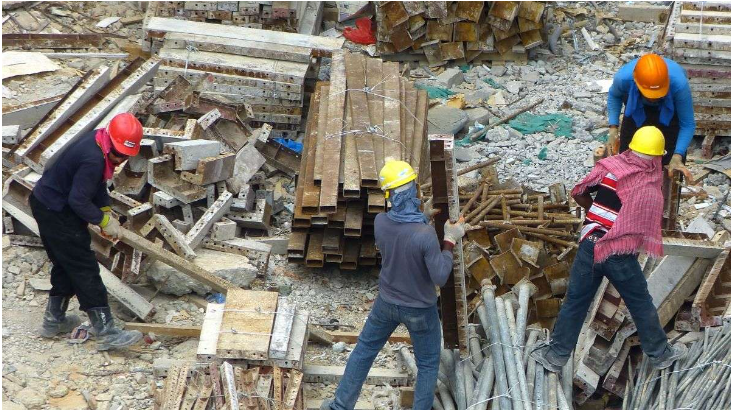
The roots of the Balochistan conflict can be traced back to the partition of British India in 1947 when Balochistan became part of Pakistan. Since then, Baloch nationalists have sought greater autonomy and control over the province’s resources, leading to a series of insurgencies. The most recent wave of violence began in the early 2000s, fueled by a combination of political repression, economic disenfranchisement, and human rights abuses.
Several separatist groups have emerged over the years, with the BLA being one of the most prominent. The BLA’s stated aim is to liberate Balochistan from what they perceive as oppressive Pakistani rule. This struggle has often been marked by violence, including attacks on security forces, government installations, and civilians, particularly those viewed as collaborating with the state.
The Impacts of Violence on the Labor Force
The killing of laborers in Balochistan is indicative of the broader impact of the conflict on the local economy and society. Many development projects in the province have been hindered by violence, as laborers, contractors, and foreign investors are often targeted by separatist groups. This not only disrupts economic activity but also exacerbates unemployment and poverty in a region already grappling with socio-economic challenges.
Moreover, the fear of violence has led to a significant decline in investment in Balochistan. Many potential investors are deterred by the risk of attacks, opting instead for more stable regions within Pakistan or abroad. The lack of infrastructure and economic opportunities, in turn, fuels resentment among the local population, creating a vicious cycle of violence and underdevelopment.
Laborers who continue to work in Balochistan often do so under perilous conditions, with little regard for their safety. Many are drawn to the region by the promise of employment opportunities, only to find themselves caught in the crossfire of a violent conflict. The attack on laborers is a stark reminder of the personal risks faced by those trying to earn a livelihood in an unstable environment.
Government Response: Security Measures and Challenges
In the wake of the recent attack, the Pakistani government has vowed to enhance security measures in Balochistan to protect workers and infrastructure projects. This includes increasing the presence of security forces in sensitive areas and launching targeted operations against militant groups. However, Pakistan’s Restive the effectiveness of these measures has often been called into question.
Critics argue that the government’s heavy-handed approach, which includes military operations and crackdowns on dissent, has often exacerbated tensions rather than alleviating them. The perception of state repression has fueled further radicalization among Baloch youth, Pakistan’s Restive driving them towards separatist movements.
Moreover, the government’s failure to address the underlying socio-economic grievances in Balochistan has hindered the prospects for long-term peace. While security measures may provide temporary relief, they do little to address the root causes of the conflict. To achieve lasting stability, Pakistan’s Restive the government must engage in dialogue with Baloch leaders, acknowledge their grievances, and implement policies that promote inclusive development.
International Response and Human Rights Concerns
The violence in Balochistan has drawn attention from international human rights organizations, which have criticized both the Pakistani government and separatist groups for their actions. Reports of extrajudicial killings, enforced disappearances, and human rights abuses have surfaced over the years, Pakistan’s Restive leading to calls for accountability and justice.
International organizations, including Human Rights Watch and Amnesty International, have urged the Pakistani government to respect the rights of the Baloch people and engage in dialogue to address their grievances. They emphasize the need for a comprehensive approach that prioritizes human rights, socio-economic development, and political inclusion.
Additionally, the situation in Balochistan has implications for regional stability. The province borders Iran and Afghanistan, and instability in Balochistan can spill over into neighboring countries, further complicating an already complex geopolitical landscape. As such, Pakistan’s Restive there is a growing recognition that addressing the Balochistan conflict requires regional cooperation and support from the international community. 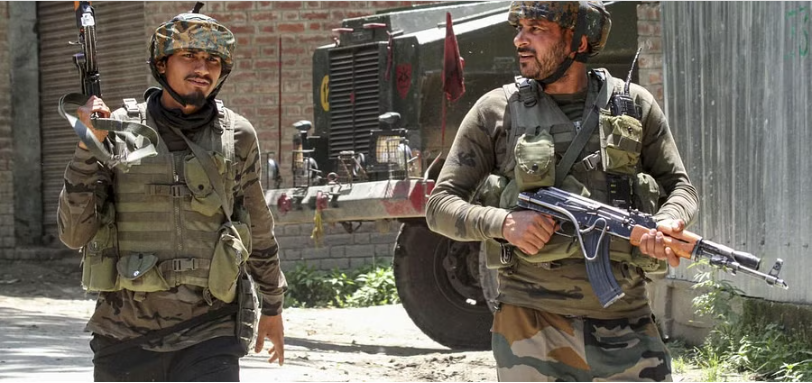

The Role of Media and Public Perception
The media plays a crucial role in shaping public perception of the conflict in Balochistan. Reports of violence, such as the recent killing of laborers, draw attention to the situation and can mobilize public opinion. However, the portrayal of the conflict can vary significantly depending on the outlet, Pakistan’s Restive with some focusing on the separatist perspective and others emphasizing state security.
Social media has also emerged as a platform for Baloch activists to voice their concerns and share their narratives. This has led to increased awareness of the issues faced by the Baloch people, Pakistan’s Restive as well as calls for international support. However, social media can also perpetuate misinformation and polarize opinions, making it essential for media outlets to strive for accuracy and objectivity.
Prospects for Peace and Stability
The recent violence in Balochistan highlights the urgent need for a comprehensive peace process that addresses the underlying causes of the conflict. Achieving lasting peace will require concerted efforts from the Pakistani government, Baloch leaders, and the international community.
Dialogue between the government and Baloch representatives is essential to build trust and promote understanding. This dialogue should focus on addressing grievances related to resource control, political representation, and economic development. Furthermore, the government must take concrete steps to improve the socio-economic conditions in Balochistan, providing opportunities for education, Pakistan’s Restive employment, and infrastructure development.
International support can also play a crucial role in facilitating peace efforts. Engaging regional powers and global actors in discussions about Balochistan can help create a conducive environment for dialogue and reconciliation. Moreover, providing humanitarian assistance and development aid can help alleviate some of the immediate suffering faced by the local population.
Conclusion
The killing of seven laborers in Balochistan is a tragic reminder of the ongoing violence and instability in the region. As separatist militants continue to target civilians, the humanitarian crisis deepens, Pakistan’s Restive and the prospects for peace remain bleak. The Pakistani government must take a comprehensive approach to address the underlying grievances of the Baloch people while ensuring their safety and security.
The international community has a role to play in supporting peace efforts and advocating for human rights in Balochistan. Only through dialogue, understanding, Pakistan’s Restive and inclusive development can the cycle of violence be broken, allowing the people of Balochistan to forge a brighter future free from conflict. As the situation continues to evolve, it is essential for all stakeholders to work together to build a more stable and prosperous Balochistan. ALSO READ:- Balochistan 2024: Separatists Kill Seven Laborers in Pakistan’s Restive Balochistan: A Deep Dive into the Crisis