


Strategic Defence Agreement Strengthens Military Ties Amid Regional Tensions
Introduction
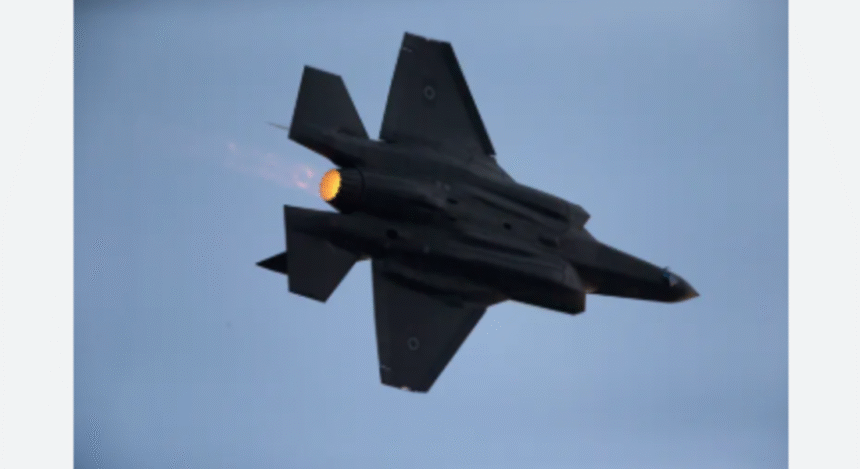
Israel Approves Deal in a significant move aimed at strengthening its military capabilities, Israel has approved a major deal to procure advanced fighter jets from the United States. The agreement underscores the deep-rooted defence partnership between the two nations and comes at a time of heightened geopolitical tensions in the Middle East.
The acquisition is expected to enhance Israel’s air superiority, improve its operational readiness, and reinforce its strategic deterrence against potential adversaries. It also highlights Washington’s continued commitment to maintaining Israel’s qualitative military edge in the region.
Details of the Fighter Jet Deal
Type of Aircraft and Capabilities
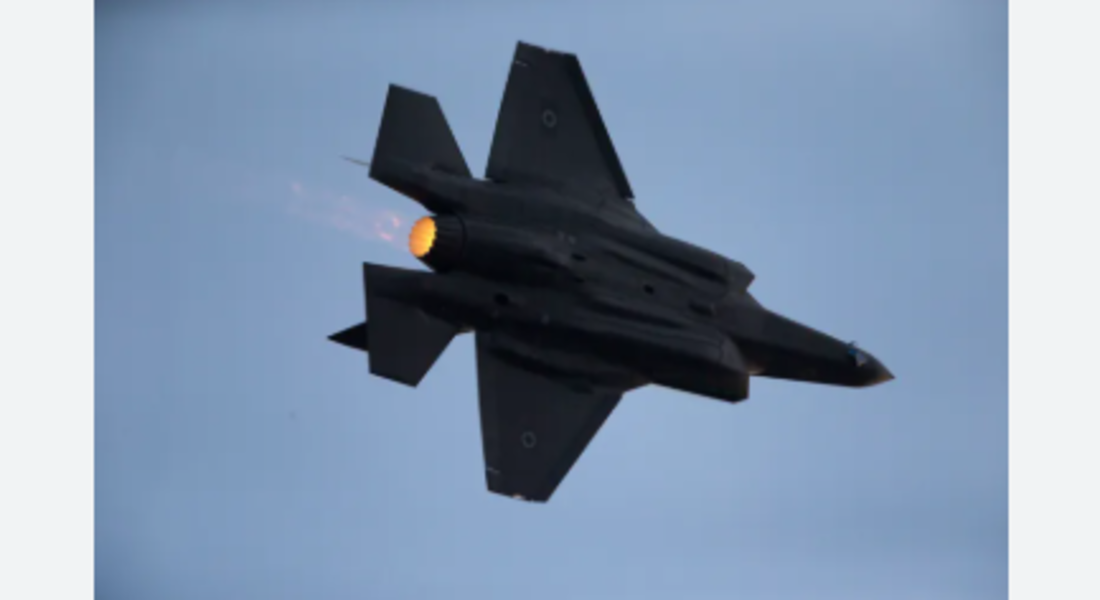
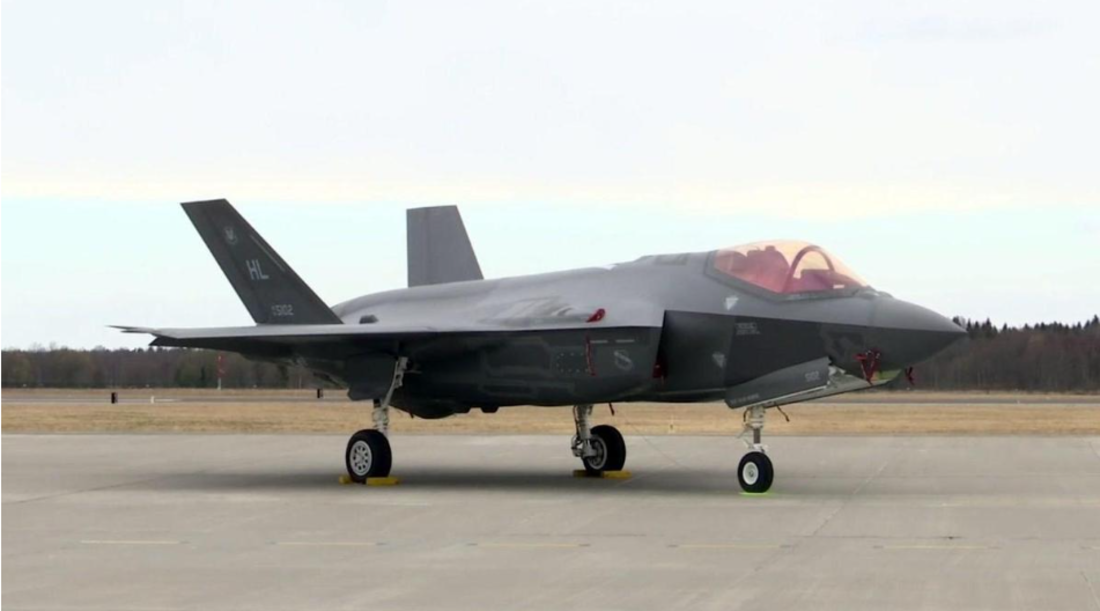
While specific details of the deal may vary, such agreements typically involve advanced aircraft like the F-35 Lightning II, one of the most sophisticated fighter jets in the world.
Key features of these aircraft include:
- Stealth technology to evade radar detection
- Advanced avionics and sensor systems
- Multirole capabilities for air-to-air and air-to-ground missions
Scale and Value of the Deal
The deal is believed to be worth billions of dollars, reflecting the high cost of cutting-edge military technology. It may include:
- Procurement of multiple aircraft
- Training and support packages
- Maintenance and logistics agreements
Strategic Importance for Israel
Maintaining Air Superiority
For Israel, air superiority is a cornerstone of national security. The new fighter jets will:
- Strengthen the Israeli Air Force
- Enhance surveillance and strike capabilities
- Provide a technological edge over regional rivals
Deterrence Against Threats
The acquisition sends a strong message to potential adversaries, reinforcing Israel’s ability to:
- Respond swiftly to threats
- Conduct precision strikes
- Protect its borders and interests

U.S.-Israel Defence Partnership
A Long-Standing Alliance
The defence relationship between United States and Israel is one of the closest in the world. It is characterized by:
- Military aid and funding
- Joint exercises and training
- Technology sharing and collaboration
Qualitative Military Edge (QME)
The U.S. has a longstanding policy of ensuring Israel’s Qualitative Military Edge (QME), Israel Approves Deal which means maintaining superior military capabilities compared to its neighbors.
Regional Implications
Impact on Middle East Security
The deal is likely to have significant implications for regional security dynamics:
- Potential escalation of arms competition
- Heightened tensions among rival nations
- Increased focus on military modernization
Response from Neighboring Countries
Other countries in the region may:
- Strengthen their own defence capabilities
- Seek similar agreements with global powers
- Reassess their strategic positions
Technological Advancements
Next-Generation Warfare
Modern fighter jets like the F-35 Lightning II represent the future of aerial combat, Israel Approves Deal integrating:
- Artificial intelligence and data fusion
- Network-centric warfare capabilities
- Enhanced situational awareness
Operational Advantages
These technologies provide:
- Faster decision-making
- Improved mission effectiveness
- Reduced risk to pilots
Economic and Industrial Aspects
Boost to Defence Industry
The deal benefits the defence industries of both countries:
- U.S. manufacturers gain significant contracts
- Israeli industries may participate in maintenance and upgrades
Cost Considerations
While the deal strengthens security, it also involves substantial financial investment, Israel Approves Deal raising questions about budget allocation and priorities.
Political Context
Timing of the Deal
The approval comes amid ongoing regional tensions, including conflicts and diplomatic challenges. It reflects:
- Strategic alignment between the U.S. and Israel
- Shared concerns about regional security threats
Domestic Political Reactions
Within Israel, the deal has been largely supported as a necessary step for national security, Israel Approves Deal though discussions about cost and priorities persist.
Global Perspective
U.S. Role in Global Arms Trade
The United States is one of the world’s largest arms exporters. Deals like this:
- Strengthen alliances
- Promote strategic interests
- Influence global security dynamics
International Reactions
The agreement may draw varied responses from the international community, including:
- Support from allies
- Concern from critics about arms proliferation

Challenges and Risks
Escalation of Tensions
Increased military capabilities can lead to:
- Arms races
- Greater instability
- Risk of conflict escalation
Dependence on External Suppliers
Reliance on foreign defence equipment may pose challenges related to:
- Supply chain disruptions
- Political dependencies
Future Outlook
Continued Modernization
Israel is likely to continue investing in advanced defence technologies, including:
- Cyber warfare capabilities
- Missile defence systems
- Unmanned aerial vehicles
Strengthening Alliances
The deal reinforces the strategic partnership with the United States, Israel Approves Deal paving the way for further التعاون in defence and technology.
Conclusion
The approval of the fighter jet deal between Israel and the United States marks a significant step in strengthening their defence partnership. By acquiring advanced aircraft like the F-35 Lightning II, Israel aims to maintain its military edge and enhance its ability to address evolving security challenges.
While the deal underscores the importance of strategic alliances, it also raises important questions about regional stability, arms competition, Israel Approves Deal and the balance between security and diplomacy. As the Middle East continues to navigate complex geopolitical dynamics, such developments will play a crucial role in shaping the future of the region. ALSO READ:-TMC Alleges Unauthorised Sorting of Postal Ballot Covers, Files Complaint with ECI 2026