






Introduction
Kerala to Become ‘Keralam in a landmark decision reflecting cultural identity and linguistic heritage, the Union Cabinet has approved the proposal to officially rename Kerala as “Keralam.” The move marks a significant symbolic shift, aligning the State’s English name with its traditional Malayalam pronunciation. The decision has sparked widespread discussion across political, academic, and public spheres, with supporters calling it a long-overdue recognition of regional identity.
The approval by the Union Cabinet represents a key step in the constitutional process required for altering the name of a State. Once Parliament passes the necessary amendment and other formalities are completed, “Keralam” will become the official name used in all constitutional and administrative contexts.
This development has reignited debates about linguistic pride, cultural assertion, federal processes, Kerala to Become ‘Keralam and the evolving identity of Indian states.
Background: How the Proposal Emerged
The proposal to rename Kerala as “Keralam” was initially passed by the Kerala Legislative Assembly, which unanimously supported the change. Lawmakers argued that the term “Kerala” is an anglicised version of “Keralam,” the name used in Malayalam, the State’s official language.
In Malayalam, the State is referred to as “Keralam,” and proponents of the change emphasized the importance of harmonizing the English name with the indigenous pronunciation. The Assembly resolution was subsequently forwarded to the Centre, seeking approval under Article 3 of the Constitution, which governs the formation of new states and alteration of areas, boundaries, Kerala to Become ‘Keralam or names of existing states.
The Union Cabinet’s approval now paves the way for Parliament to consider the amendment formally.
Constitutional Process for Renaming a State
Changing the name of an Indian state is not merely a symbolic act—it involves a constitutional procedure. Under Article 3 of the Constitution:
-
The State Legislature passes a resolution recommending the change.
-
The proposal is referred to the President of India.
-
The Union Cabinet considers the proposal.
-
A Bill is introduced in Parliament to amend the relevant provisions.
-
Both Houses of Parliament must approve the change.
With the Cabinet’s nod secured, the next step is parliamentary approval. Once passed, Kerala to Become ‘Keralam official notifications will follow, and the new name “Keralam” will replace “Kerala” in all official records.
Why ‘Keralam’? The Cultural and Linguistic Context
The word “Keralam” has deep historical and cultural roots. It is derived from the ancient Malayalam term that signifies the land of coconuts (“Kera” meaning coconut, and “alam” meaning land). The name has been used in classical literature, inscriptions, and historical references dating back centuries.
Supporters argue that retaining the anglicised “Kerala” reflects colonial-era linguistic distortions. They view the renaming as part of a broader movement to reclaim indigenous names and cultural authenticity.
Several states and cities across India have undergone similar name changes in recent decades, emphasizing local language pronunciations over colonial-era spellings. 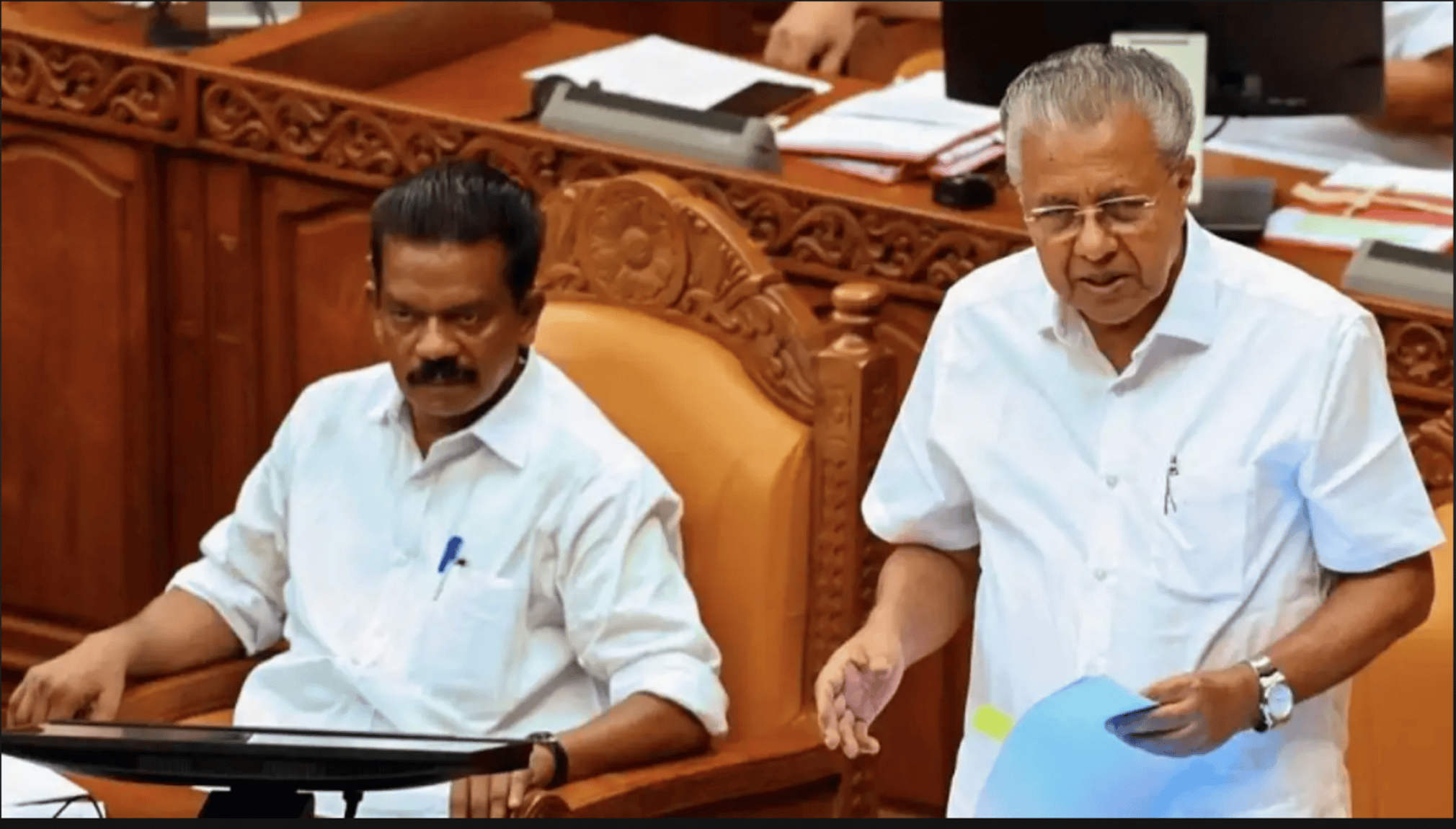 watch video for more info
Political Reactions to the Cabinet’s Decision
State Government’s Response
The Kerala government welcomed the Cabinet’s approval, describing it as a “moment of pride” for the people. Leaders emphasized that the move was not political but cultural, aimed at preserving linguistic identity.
Opposition Views
While most political parties supported the change, some critics questioned the timing and necessity. They argued that while symbolic changes have value, Kerala to Become ‘Keralam the focus should remain on economic development, employment, and welfare issues.
Despite these debates, the consensus in the State Assembly earlier suggested broad support for the proposal.
Public Sentiment and Cultural Pride
Public response has largely been positive, with many citizens expressing pride in the recognition of the State’s traditional name. Cultural organizations, historians, and linguistic scholars have endorsed the move as a step toward preserving heritage.
Social media platforms saw widespread discussion, with hashtags celebrating “Keralam” trending among users from the State and the diaspora.
For many Malayalis, the change reinforces their identity and strengthens the link between language and governance.
Impact on Administration and Official Documentation
Once Parliament approves the change, several administrative adjustments will follow:
-
Official documents, including government notifications, will adopt “Keralam.”
-
Central and state departments will update records.
-
Signage, official seals, and digital platforms may undergo gradual modification.
-
International and diplomatic references will reflect the updated name.
Experts note that while logistical adjustments will take time, Kerala to Become ‘Keralam such transitions have been managed smoothly in past name changes elsewhere in India.
Comparison with Other Name Changes in India
India has witnessed several significant name changes aimed at restoring indigenous identity. Cities such as Mumbai (formerly Bombay), Chennai (formerly Madras), Kerala to Become ‘Keralam and Kolkata (formerly Calcutta) adopted names closer to local pronunciations.
Similarly, states like Odisha (formerly Orissa) and Uttarakhand (formerly Uttaranchal) underwent official renaming through constitutional amendments.
The renaming of Kerala to Keralam aligns with this broader trend of linguistic reclamation.
Economic and Tourism Implications
Some observers have raised questions about whether the name change could impact branding, tourism, and global recognition. Kerala is internationally known for its backwaters, Ayurveda, and tourism industry.
However, experts believe the change will not significantly affect the State’s brand. In fact, Kerala to Become ‘Keralam they argue that “Keralam” could enhance cultural tourism by highlighting authenticity.
Marketing campaigns and promotional materials will likely adapt to ensure continuity in global outreach.
Legal and Bureaucratic Considerations
Renaming a state involves revising central laws, legal references, Kerala to Become ‘Keralam and official documents that mention the State by name. This process requires careful coordination among ministries.
Legal experts clarify that the name change will not affect existing contracts, Kerala to Become ‘Keralam agreements, or rights. The amendment will primarily alter the nomenclature used in constitutional and statutory references.
Historical Significance of the Moment
The decision holds historical importance, marking a shift in how the State’s identity is presented in official English usage. It symbolizes a conscious effort to align governance with linguistic heritage.
For many, the approval represents more than a name change—it signifies recognition of regional pride within the framework of India’s federal structure.
Voices from Academia and Culture
Scholars and historians have highlighted the etymological richness of “Keralam.” They argue that language is a powerful marker of identity, and official recognition strengthens cultural continuity.
Writers and artists from the State have also expressed support, Kerala to Become ‘Keralam viewing the move as part of a broader cultural renaissance.
Criticism and Counterarguments
Not all reactions have been entirely supportive. Some critics suggest that administrative resources could be better utilized elsewhere. Others argue that such changes, while symbolic, may not address pressing socio-economic challenges.
However, proponents counter that cultural affirmation and development are not mutually exclusive, and symbolic recognition often strengthens collective identity.  watch video for more info
Federalism and Centre-State Relations
The Cabinet’s approval highlights the functioning of cooperative federalism. The process reflects coordination between the State Assembly and the Union government, underscoring constitutional mechanisms for addressing regional aspirations.
Observers note that the smooth handling of the proposal indicates institutional maturity in managing identity-related changes.
Timeline for Implementation
While the Cabinet’s nod is significant, Kerala to Become ‘Keralam the formal change will take effect only after Parliament passes the necessary amendment. The timeline depends on legislative scheduling and debate.
Once approved, the President will give assent, and the change will be officially notified.
Broader Implications for Regional Identity in India
The renaming of Kerala to Keralam reflects a broader conversation about identity, language, and historical narratives in India. As states seek to assert cultural uniqueness, such decisions become markers of evolving self-definition within the Union.
The move may inspire similar discussions in other regions, Kerala to Become ‘Keralam particularly where anglicised names differ from indigenous pronunciations.
Conclusion
The Union Cabinet’s approval to rename Kerala as “Keralam” marks a historic milestone rooted in cultural affirmation and linguistic pride. While the constitutional process is still underway, the decision symbolizes respect for regional identity within India’s democratic framework.
As Parliament prepares to consider the amendment, the focus will remain on ensuring a smooth transition. Beyond administrative formalities, the change represents a reaffirmation of heritage—a reminder that names carry history, meaning, and identity. ALSO READ:- Russian Flag and Anthem Set to Return at Next Month’s Paralympics After Decade-Long Absence 2026