






Introduction
Myanmar A major development in Myanmar’s protracted conflict unfolded as an ethnic armed group claimed full control over a strategic border region near China. This assertion of authority underscores the growing power of non-state actors in Myanmar, as the country continues to grapple with political instability and armed resistance following the 2021 military coup.
The declaration of control by the ethnic armed group highlights the deepening fragmentation of Myanmar, with implications for its neighbors, regional stability, and humanitarian efforts. This article explores the context, the key players involved, and the potential consequences for Myanmar and its surrounding nations.
Myanmar Group and the Region
The claim of territorial control came from the United Wa State Army (UWSA), one of Myanmar’s most powerful ethnic armed groups. The UWSA, headquartered in the Wa Autonomous Region, has long maintained a semi-independent status and controls vast swathes of land along the Myanmar-China border.
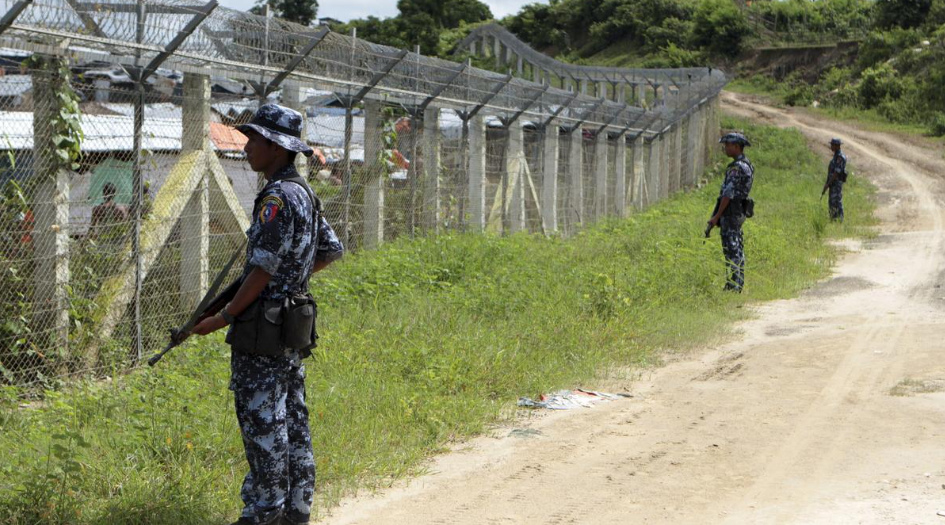
This latest move involves extending their authority into additional territory previously contested with Myanmar’s military, the Tatmadaw. The region in question is a critical area for trade and smuggling routes, with economic and strategic significance due to its proximity to China. 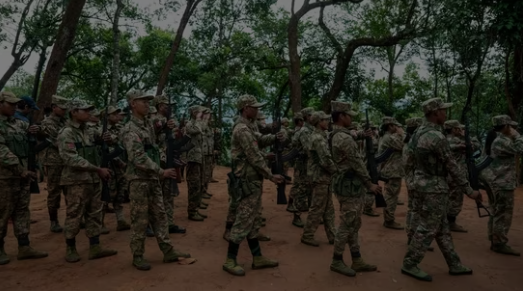 For the more information click on this link
Background: Myanmar’s Ethnic Conflicts
Myanmar is home to over 135 officially recognized ethnic groups, many of whom have been engaged in decades-long struggles for autonomy and recognition. These ethnic armed groups, some of which are backed by powerful local militias, control significant parts of the country, particularly in border regions.
The 2021 military coup, which ousted Myanmar’s democratically elected government, exacerbated tensions between the central military junta and ethnic minorities. The coup led to widespread protests, a brutal military crackdown, and the emergence of new armed resistance groups. This has created a volatile environment in which longstanding ethnic grievances intersect with the broader struggle against the junta.
UWSA’s Rise to Prominence
The United Wa State Army, with an estimated 30,000 soldiers, is one of the largest and most well-equipped ethnic armed groups in Myanmar. Supported by lucrative businesses, including cross-border trade and allegations of involvement in the narcotics trade, the UWSA has achieved significant financial independence. It also reportedly enjoys support from Chinese interests, further bolstering its power and influence.
Unlike other ethnic armed groups, the UWSA has maintained a complex but relatively stable relationship with the Tatmadaw, avoiding direct confrontation while expanding its control. The recent declaration marks a shift in this dynamic, as the UWSA asserts greater territorial autonomy.
The Strategic Importance of the Border Region
The border region controlled by the UWSA serves as a crucial link between Myanmar and China. Key aspects of its strategic importance include:
- Trade and Commerce: The area is vital for trade routes, both legal and illicit. Control over these routes provides significant economic leverage.
- Natural Resources: The region is rich in resources, including timber, jade, and other valuable commodities that are crucial for both local and international markets.
- Geopolitical Significance: Proximity to China makes the region a focal point for Beijing’s regional strategy, including its Belt and Road Initiative projects.
- Military Advantage: The rugged terrain provides a natural stronghold for armed groups, complicating attempts by the Tatmadaw to regain control.
The Tatmadaw’s Response
Myanmar’s military junta has condemned the UWSA’s declaration as illegal, vowing to take all necessary steps to protect the country’s territorial integrity. However, the Tatmadaw faces significant challenges, including:
- Overextension: The military is already engaged in multiple conflicts across the country, with limited resources to address new challenges.
- Loss of Credibility: The junta’s widespread human rights abuses have eroded its legitimacy both domestically and internationally.
- Fragmentation: The military faces resistance not only from ethnic armed groups but also from the People’s Defense Forces (PDF), a network of anti-junta militias.
Despite these challenges, the Tatmadaw is likely to intensify its operations in border regions, risking further escalation of violence.
China’s Role and Interests
China has a vested interest in stability along its border with Myanmar. While Beijing officially maintains a policy of non-interference, it has historically engaged with both the Tatmadaw and ethnic armed groups to protect its economic and security interests.
The UWSA’s dominance in the region aligns with some of China’s objectives, including maintaining a buffer zone that prevents instability from spilling into Yunnan Province. However, escalating violence could disrupt Chinese investments and trade routes, prompting Beijing to play a more active diplomatic role.
Humanitarian Consequences
The assertion of control by the UWSA has significant humanitarian implications for the local population, including:
- Displacement: Escalating conflict in the border region has forced thousands to flee, many seeking refuge across the border in China.
- Access to Services: The region’s residents face limited access to healthcare, education, and basic necessities due to ongoing instability.
- Human Rights Abuses: Both the Tatmadaw and ethnic armed groups have been accused of human rights violations, including forced conscription and attacks on civilians.
Humanitarian organizations operating in Myanmar have called for immediate ceasefires and unfettered access to deliver aid to affected communities.
Regional Implications
The UWSA’s declaration of control could have broader consequences for Southeast Asia, including:
- Increased Cross-Border Tensions: Neighboring countries, including Thailand and India, are closely monitoring developments, wary of potential spillover effects.
- Destabilization of Regional Trade: Disruptions in trade routes could impact economic activity across Southeast Asia, particularly in China’s Yunnan Province.
- Strengthened Ethnic Movements: The UWSA’s success may embolden other ethnic armed groups, potentially leading to further fragmentation of Myanmar.
International Response
The international community has expressed concern over the escalating conflict but has struggled to coordinate an effective response. Key reactions include:
- United Nations: The UN has called for dialogue and a peaceful resolution but faces limitations in its ability to mediate due to the junta’s resistance to international involvement.
- ASEAN: The Association of Southeast Asian Nations has urged de-escalation but remains divided on how to address Myanmar’s crisis, with member states taking divergent approaches.
- Western Sanctions: The U.S., EU, and other Western nations have imposed sanctions on the junta, but these measures have had limited impact on the ground.
 For the more information click on this link
Potential Resolutions
Addressing the crisis requires a multifaceted approach, including:
- Inclusive Dialogue: Engaging all stakeholders, including the Tatmadaw, ethnic armed groups, and civil society, in negotiations for a federal framework.
- International Mediation: Greater involvement by neutral parties, such as the UN or regional powers, to facilitate peace talks.
- Humanitarian Assistance: Ensuring that aid reaches affected populations without political interference.
- Economic Incentives: Leveraging economic partnerships to encourage de-escalation and stability.
Conclusion
The United Wa State Army’s assertion of control over a strategic border region is a stark reminder of the challenges facing Myanmar in its pursuit of peace and stability. The move underscores the fragmentation of the country and the complexities of its ethnic conflicts, which are deeply intertwined with its political crisis.
As the situation unfolds, the actions of key stakeholders—including the Tatmadaw, ethnic armed groups, neighboring countries, and the international community—will determine the trajectory of Myanmar’s future. For the millions affected by this protracted conflict, the need for a just and lasting resolution has never been more urgent. ALSO READ:- South Korean Police Blocked from Raiding President Yoon’s Office: A Political Crisis Unfolds 2024