


Tehran Strengthen in a significant development signaling the growing strategic partnership between Russia and Iran, a Russian rocket recently launched Iranian satellites into orbit, Tehran Strengthen marking another milestone in the two countries’ expanding cooperation. This launch, carried out by Russia’s state-run space agency, Roscosmos, reflects the increasingly close ties between Moscow and Tehran, which have been steadily intensifying in various sectors, including military, energy, and space exploration. The collaboration in space technology, Tehran Strengthen particularly the launch of Iranian satellites, Tehran Strengthen is not just a technical achievement but a symbol of a deeper geopolitical alignment between the two nations amid the global shifting dynamics.
This blog post explores the geopolitical significance of this launch, the impact on Russia-Iran relations, the role of space cooperation in their expanding alliance, Tehran Strengthen and the broader implications for global security and technology.
1. The Launch: A Milestone in Space Cooperation
On the specified date, a Russian Soyuz rocket successfully launched the Iranian satellites into orbit. These satellites are part of Iran’s space program, Tehran Strengthen which has been steadily progressing over the years. The launch is a testament to the growing collaboration between Moscow and Tehran in the realm of space exploration and technology.
a. The Soyuz Rocket and Its Importance
The Soyuz rocket is one of the most reliable and long-standing space launch vehicles developed by the Soviet Union and later operated by Russia. Known for its efficiency and safety, the Soyuz rocket has been a crucial component of Russia’s space program for decades. The partnership between Russia and Iran to launch Iranian satellites aboard Soyuz rockets demonstrates Russia’s support for Iran’s ambitions in space.
Iran’s space program has faced significant challenges due to sanctions and limited access to advanced space technology. With Russia’s assistance, Iran is able to circumvent some of these limitations and gain access to vital space-related technologies, including satellite launches, Tehran Strengthen which are essential for Iran’s national development and defense capabilities.
b. Types of Satellites Launched
The satellites launched by the Russian Soyuz rocket are primarily focused on reconnaissance, communication, and Earth observation. These capabilities are crucial for both civil and military purposes. The satellites will enhance Iran’s ability to monitor its territory, gather intelligence, Tehran Strengthen and improve communication infrastructure, with potential applications in fields ranging from environmental monitoring to military surveillance. 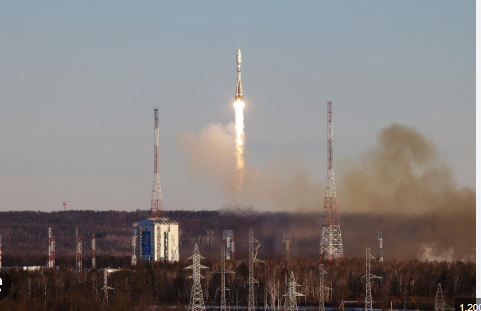 for the more information click on this link
Iran has long sought to establish itself as a space power in the Middle East, Tehran Strengthen and with the help of Russia, the country is making significant strides. These satellites will help Iran bolster its technological self-sufficiency and reduce its reliance on foreign nations for crucial technological infrastructure.
2. Strengthening Geopolitical Alliances Between Moscow and Tehran
The launch of Iranian satellites represents just one aspect of the deepening ties between Russia and Iran. Over the past few years, the two countries have worked together on various fronts, Tehran Strengthen particularly in the areas of military cooperation, energy, and regional security.
a. Military Cooperation: A Key Pillar of the Alliance
Military cooperation is a significant aspect of the Russia-Iran relationship. Russia has been one of Iran’s main suppliers of advanced military technology, including air defense systems and combat aircraft. The S-300 air defense system, for instance, is one of the most advanced systems in the world, Tehran Strengthen and its sale to Iran in recent years has greatly enhanced Iran’s defensive capabilities.
In addition to military hardware, Russia and Iran have conducted joint military exercises, particularly in Syria, where both countries have supported the regime of Bashar al-Assad in the ongoing civil war. Their cooperation in Syria has helped them strengthen their positions in the Middle East, Tehran Strengthen allowing them to challenge Western influence and maintain a foothold in the region.
b. Energy Collaboration: Oil, Gas, and Nuclear Power
The energy sector is another area where Russia and Iran have solidified their partnership. Both countries possess vast energy resources, and their cooperation in the oil and gas sectors has been mutually beneficial. Russia has provided Iran with technical expertise and assistance in the development of Iran’s oil and gas reserves, while Iran has offered its vast energy markets as a trading partner.
Furthermore, Russia has been instrumental in helping Iran develop its nuclear program, providing the necessary expertise and technology for building nuclear power plants, including the Bushehr nuclear power plant. This cooperation has drawn criticism from Western countries, particularly the United States, which has accused both Russia and Iran of undermining international efforts to curb the proliferation of nuclear weapons. However, for Moscow and Tehran, Tehran Strengthen their nuclear cooperation represents a key aspect of their strategic alliance, as both countries face external pressure from Western powers.
c. Trade and Economic Ties
Economic cooperation between Russia and Iran has also seen growth in recent years. Despite Western sanctions, both countries have sought to expand trade, particularly in the fields of energy, infrastructure development, and technology. Iran’s need for foreign investment and technological support in various sectors aligns with Russia’s desire to establish deeper economic ties with Tehran.
In response to sanctions imposed by the United States and the European Union, both countries have been working to create alternatives to the dollar-based financial system, Tehran Strengthen such as the use of local currencies in trade transactions. These steps reflect a shared interest in reducing reliance on Western financial institutions and creating alternative financial mechanisms that are less susceptible to external pressure.
3. Implications for Global Security
The growing Russia-Iran alliance has significant implications for global security. Both countries are viewed as adversaries by Western powers, Tehran Strengthen particularly the United States. Their partnership has raised concerns in the West, where Russia and Iran are seen as challenging the established global order and undermining efforts to curb Iran’s nuclear ambitions.
a. Increased Tensions with the West
The launch of Iranian satellites with Russian assistance is likely to exacerbate tensions between Moscow and the West, particularly the United States and the European Union. Western countries have long sought to isolate Iran diplomatically and economically due to concerns over its nuclear program, support for militant groups, and involvement in regional conflicts. However, Russia’s support for Iran undermines these efforts and reinforces Tehran’s position on the global stage.
This partnership is particularly concerning for countries in the Middle East, where Iran’s growing influence is seen as a direct challenge to regional stability. Israel, in particular, Tehran Strengthen has expressed concerns about Iran’s expanding technological capabilities, especially in the fields of space and missile development.
b. Impact on Space Security
The successful launch of Iranian satellites with Russian assistance also raises concerns about space security. As countries continue to develop their space capabilities, Tehran Strengthen the potential for space-based military applications increases. Satellites are no longer just tools for communication or scientific research; they can be used for surveillance, reconnaissance, and even military purposes.
The collaboration between Russia and Iran in space technology could signal a new phase of space militarization, where countries with advanced space capabilities may use satellites as part of their strategic arsenals. This development has the potential to escalate tensions in the region and beyond, Tehran Strengthen as countries seek to protect their own satellite infrastructure and space-based assets from adversaries.
4. The Future of Russia-Iran Relations
As both countries continue to expand their collaboration, it is likely that their partnership will evolve into a more comprehensive strategic alliance. The space sector is just one area where Russia and Iran are making headway. In the future, we can expect further cooperation in other domains, Tehran Strengthen including cyber technology, artificial intelligence, and missile defense systems.
However, the alliance between Russia and Iran is not without its challenges. While both countries share common interests in resisting Western influence, they also have divergent goals and priorities. For instance, Russia has a longstanding interest in maintaining its influence over Eastern Europe and Central Asia, while Iran is more focused on expanding its influence in the Middle East. These differences could, at times, create tensions within the partnership.
Moreover, the role of China in the Russia-Iran dynamic cannot be ignored. China has also developed close ties with both Moscow and Tehran, Tehran Strengthen particularly in the fields of energy and infrastructure development. As China becomes an increasingly important player in global geopolitics, its involvement in the Russia-Iran relationship will play a key role in shaping the future trajectory of these two countries’ cooperation. 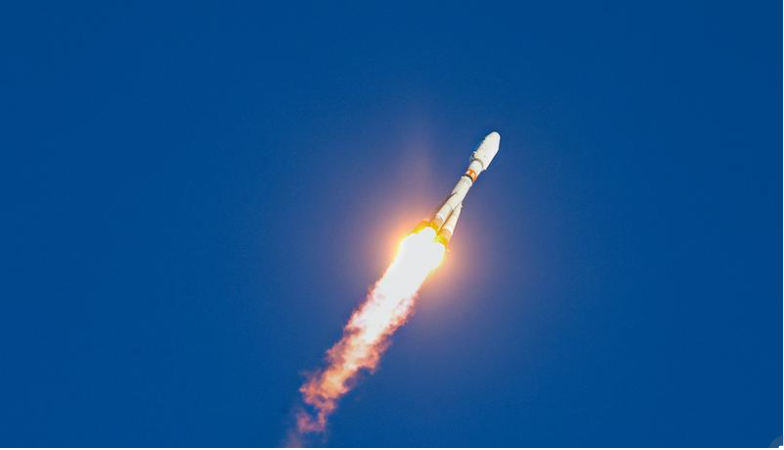 for the more information click on this link
5. Conclusion
The launch of Iranian satellites by a Russian rocket represents more than just a technical achievement; it is a symbol of the growing alliance between Russia and Iran. As both countries continue to collaborate in military, energy, and space sectors, their partnership is likely to have significant geopolitical and security implications. For Moscow and Tehran, Tehran Strengthen the shared goal of countering Western influence and establishing alternative power structures on the global stage provides a strong foundation for their cooperation.
However, the deepening Russia-Iran relationship also raises concerns for global security, particularly in terms of space militarization and regional stability. As the two countries expand their ties, Tehran Strengthen the international community will need to closely monitor their activities to ensure that these developments do not further destabilize an already volatile geopolitical landscape.
In the coming years, the Russia-Iran alliance will likely play a key role in shaping the future of global power dynamics, particularly in the Middle East and beyond. The partnership between these two nations is one to watch, as it holds the potential to reshape regional and global security architecture in unprecedented ways. ALSO READ:- Noel Tata Appointed to the Board of Tata Sons: A New Chapter for the Tata Group 2024