




Introduction: The Trump Administration’s Impact on Trade
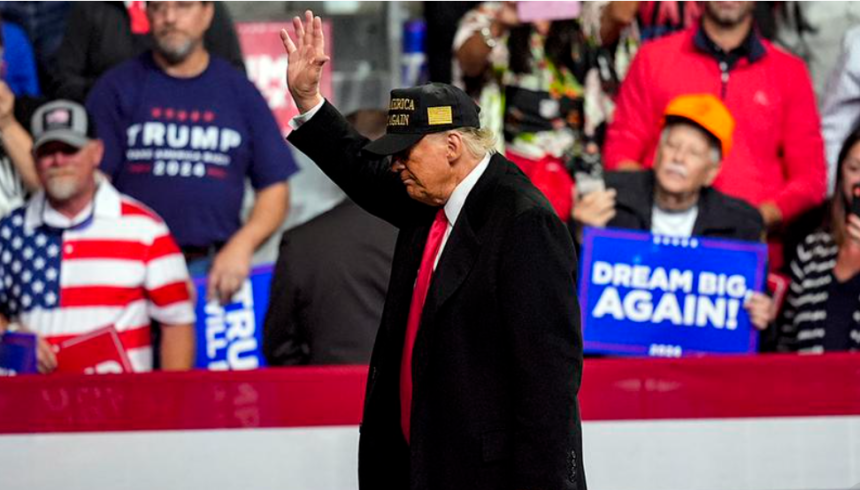
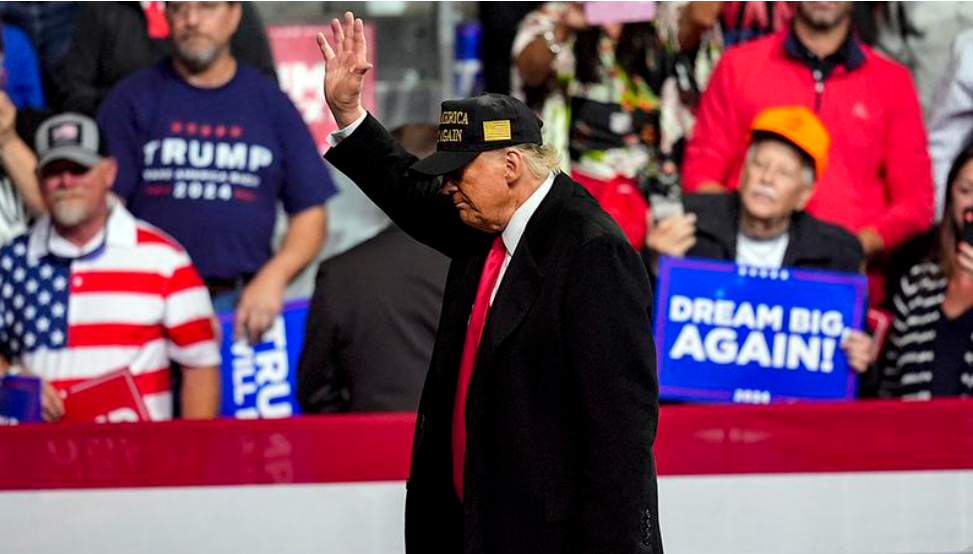
The U.S. economy, global markets, and international relations were profoundly affected during Donald Trump’s presidency, especially regarding trade policies. His administration’s approach marked a significant departure from traditional free trade agreements, steering the country toward a more protectionist and transactional trade environment. As Trump positions himself for a potential return to the White House, understanding the implications of his previous policies and the potential return to uncertainty and tariffs is crucial for businesses, policymakers, and voters alike.
The Trump Administration’s Trade Policies
The Shift from Free Trade to Protectionism
Trump’s trade policies were characterized by skepticism toward free trade agreements and a focus on protecting American jobs. His administration viewed trade as a zero-sum game, where any gain by another country was seen as a loss for the United States. This perspective led to a series of actions that reshaped the global trade landscape.
Key Initiatives
- Withdrawal from the Trans-Pacific Partnership (TPP): One of Trump’s first major trade decisions was to withdraw the U.S. from the TPP, a multilateral trade agreement intended to strengthen economic ties between member countries in the Asia-Pacific region. This withdrawal was a signal of a broader move toward bilateral agreements rather than multilateral trade pacts.
- Imposition of Tariffs: Trump’s administration implemented tariffs on a range of goods, particularly steel and aluminum, as part of a strategy to protect American industries. The administration justified these tariffs by citing national security concerns and the need to combat unfair trade practices by other nations, particularly China.
- Trade War with China: The U.S.-China trade war escalated under Trump, with both countries imposing tariffs on each other’s goods. This conflict was marked by a series of retaliatory tariffs that disrupted global supply chains and increased costs for consumers and businesses alike.
- Renegotiation of NAFTA: Trump sought to renegotiate the North American Free Trade Agreement (NAFTA), which he criticized as a job killer. The result was the United States-Mexico-Canada Agreement (USMCA), which aimed to modernize trade relations between the three countries but retained many elements of the original agreement.
The Focus on Bilateral Agreements
Trump favored bilateral trade agreements over multilateral ones, believing they provided the U.S. with better negotiating leverage. This approach led to deals with several countries but often at the cost of broader international cooperation.
Key Bilateral Agreements
- U.S.-Mexico-Canada Agreement (USMCA): Beyond modernizing trade rules, the USMCA included provisions to boost U.S. auto manufacturing and strengthen labor protections, reflecting Trump’s focus on American workers.
- Trade Deals with Japan and South Korea: The Trump administration negotiated trade deals with Japan and South Korea, emphasizing agriculture and automotive sectors. These agreements aimed to open markets for American products while maintaining a tough stance on trade deficits.
The Consequences of Trump’s Trade Policies
Economic Impacts
Trump’s trade policies had significant economic repercussions both domestically and internationally. The imposition of tariffs and trade barriers led to increased costs for consumers and disrupted global supply chains.
Rising Prices for Consumers
The tariffs imposed on imports, especially from China, resulted in higher prices for a range of consumer goods, from electronics to clothing. Businesses faced increased costs for raw materials, which were often passed on to consumers, contributing to inflationary pressures.
Supply Chain Disruptions
The trade war and tariffs prompted companies to reevaluate their supply chains. Many businesses began seeking alternative suppliers to avoid tariffs, leading to shifts in production locations and strategies. While some companies successfully diversified their supply chains, others faced challenges adapting to the new trade environment.
Job Creation and Losses
Trump’s focus on protecting American jobs resonated with many voters, particularly in manufacturing sectors. However, the unintended consequences of tariffs also led to job losses in industries reliant on global supply chains.
Short-Term Gains vs. Long-Term Stability
While some manufacturing jobs were created in response to tariffs, the overall impact on job growth was mixed. Industries dependent on imports faced challenges, leading to job losses in sectors like retail and technology.
Strained International Relations
Trump’s transactional approach to trade strained relationships with key allies and trading partners. The rhetoric around trade wars and tariffs created an atmosphere of uncertainty in international markets.
Increased Tensions with Allies
Long-standing allies, including Canada and the European Union, were subjected to tariffs on steel and aluminum, leading to retaliatory measures. The shift away from cooperative trade policies created rifts that complicated diplomatic relations.
The Political Landscape: Trump’s Appeal and Future Prospects
As Trump considers another presidential run, his trade policies remain a significant part of his platform. The appeal of a tough stance on trade resonates with a substantial segment of the American electorate, particularly those concerned about job losses and economic security.
Voter Sentiment
Trump’s emphasis on nationalism and protecting American interests has garnered support among voters who feel left behind by globalization. Many believe that previous administrations failed to prioritize American workers and industries, making Trump’s approach appealing.
Potential Challenges
Despite the support for his trade policies, there are potential challenges facing Trump if he returns to office:
- Economic Recovery Post-Pandemic: The COVID-19 pandemic has fundamentally altered the economic landscape. Addressing recovery while navigating trade tensions will require careful balancing.
- Global Supply Chain Resilience: The pandemic exposed vulnerabilities in global supply chains, prompting calls for greater resilience and diversification. Trump may need to address these concerns while promoting his protectionist policies.
- Inflation and Consumer Prices: Rising inflation and consumer prices may pose challenges for any return to protectionist trade policies. Striking a balance between protecting American jobs and ensuring affordable goods will be critical.
Conclusion: The Future of U.S. Trade Policy Under Trump
A potential return to the White House for Donald Trump signals a likely return to uncertainty, tariffs, and a transactional approach to trade. His presidency marked a significant departure from traditional trade policies, emphasizing protectionism and bilateral agreements.
Navigating a Complex Landscape
As businesses and policymakers prepare for the possibility of Trump’s return, they must navigate a complex landscape shaped by the interplay of protectionism, globalization, and economic recovery. The implications of these policies will reverberate across industries and international relations, underscoring the importance of strategic planning and adaptability in an uncertain trade environment.
The Ongoing Debate on Trade
The discussion around trade in the U.S. will continue to evolve, reflecting broader societal and economic changes. Engaging with the complexities of globalization, national security, and economic interests will be critical for future administrations, regardless of their political affiliation.
In conclusion, the return to a Trump administration could herald a new chapter in U.S. trade policy—one characterized by uncertainty, tariffs, and a focus on transactional relationships. The implications for the economy, international relations, and the American workforce will be profound, shaping the trajectory of U.S. trade for years to come. ALSO READ:- “Lebanon’s Toll Surpasses 3,000 in the 13-Month Israel-Hezbollah Conflict: A Nation Caught in the Crossfire”