

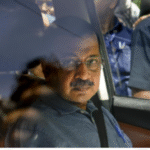



Turkey Ousts in a move that has stirred political controversy and sparked international criticism, Turkey recently ousted three elected mayors from pro-Kurdish political parties in the southeastern provinces of the country. The mayors, members of the Peoples’ Democratic Party (HDP), were dismissed on allegations of links to terrorist organizations and replaced with government-appointed trustees. The decision has amplified tensions between Turkey’s ruling government and its Kurdish minority, Turkey Ousts raising concerns over democratic rights, political freedoms, and the state of human rights in the country.
This article explores the background of the ousted mayors, the Turkish government’s rationale for the decision, reactions from pro-Kurdish advocates and opposition parties, Turkey Ousts and the broader implications for Turkey’s political landscape and relations with the international community.
Background: The Peoples’ Democratic Party (HDP) and Kurdish Representation
The HDP, a pro-Kurdish political party in Turkey, has long advocated for the rights and recognition of Turkey’s Kurdish minority, who make up roughly 15-20% of the country’s population. The HDP has faced a difficult political environment, accused by the Turkish government of links to the outlawed Kurdistan Workers’ Party (PKK), which Turkey, the United States, Turkey Ousts and the European Union designate as a terrorist organization.
Over the past decade, HDP officials and supporters have been targeted by the Turkish government, often facing accusations of supporting PKK-affiliated causes. While the HDP has denied such links, maintaining that it advocates peaceful democratic representation for the Kurdish people, Turkey Ousts its members frequently face investigations, arrests, and political disqualifications.
The recent dismissal of the three mayors from their elected posts marks the latest chapter in a long-standing struggle between the Turkish government and pro-Kurdish political entities, Turkey Ousts reflecting deeper issues of representation, democracy, and political pluralism in Turkey.
Details of the Dismissals: Allegations and Replacements
The three mayors, elected in predominantly Kurdish regions, were removed from office on allegations of terrorism-related activities. According to the Turkish government, Turkey Ousts the ousted mayors allegedly used their positions to support organizations connected to the PKK, thereby posing a threat to national security. 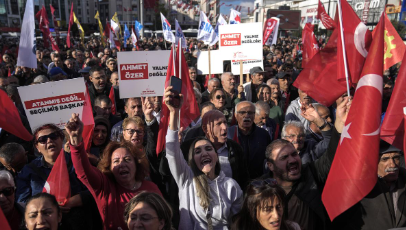 for the more information click on this link
Following their dismissal, government-appointed trustees took over the responsibilities of these mayors, Turkey Ousts a practice known in Turkey as “trusteeship,” where central authorities install administrators in place of elected officials accused of ties to terrorism. This practice, justified by the government as necessary to maintain public order and national security, has drawn criticism for undermining local governance and replacing democratically elected leaders with bureaucrats loyal to the central government.
The trusteeship system has been used extensively since 2016, Turkey Ousts particularly in southeastern Turkey, where many elected HDP officials have been replaced. While Turkish officials defend this as a security measure, human rights advocates argue it is part of a broader crackdown on political pluralism and Kurdish representation.
Government Rationale: Citing National Security and Counter-Terrorism
The Turkish government has defended its actions by citing national security concerns, alleging that the dismissed mayors were either directly or indirectly linked to the PKK. Officials argue that permitting individuals with alleged ties to a terrorist organization to hold public office is a threat to Turkey’s stability and security.
President Recep Tayyip Erdogan’s government has repeatedly stated its commitment to eradicating PKK influence within Turkish borders. As part of this commitment, authorities argue that removing mayors with perceived sympathies or connections to the PKK is essential to combat terrorism and maintain peace. According to government spokespersons, replacing these mayors with appointed trustees ensures that local governance aligns with national security priorities.
Critics, however, argue that these allegations are often unsubstantiated and that they serve as a pretext for limiting Kurdish political expression. They claim that the dismissals disproportionately target the HDP and are part of a systematic effort to weaken the party’s influence in Turkey.
Domestic and International Reactions to the Ouster
1. Reactions from Pro-Kurdish and Opposition Parties
The HDP and other opposition parties have condemned the dismissal of the mayors, describing it as an assault on democracy and a violation of voters’ rights. The HDP released a statement asserting that the move is part of a broader strategy by the ruling Justice and Development Party (AKP) to undermine Kurdish representation. They argue that by bypassing the democratic process and installing government-appointed trustees, the ruling party is eroding public trust and eliminating opposition voices from governance.
Other Turkish opposition parties, including the Republican People’s Party (CHP), have also voiced concerns, accusing the government of using terrorism allegations to suppress dissent. They argue that such moves set a dangerous precedent, Turkey Ousts potentially weakening democratic structures by undermining the principle of elected representation.
2. Public Response and Protests in Kurdish Regions
The dismissals have sparked protests in Kurdish-majority areas, where residents view the decision as a denial of their democratic rights. For many Kurdish citizens, the removal of their elected leaders reflects a pattern of marginalization and discrimination by the central government. Demonstrators have called for respect for the democratic process and an end to the use of trusteeship as a means of governing Kurdish regions.
Protests have been met with a significant police presence, and some demonstrations have reportedly led to clashes between protestors and security forces. The increased police activity reflects the government’s commitment to stifling dissent and maintaining control in regions with a history of political activism.
3. International Condemnation and Concerns Over Human Rights
The international community has also voiced concern. Human rights organizations, including Amnesty International and Human Rights Watch, Turkey Ousts have condemned the dismissals as violations of democratic rights. Statements from these organizations highlight the importance of preserving political freedom and ensuring that elected officials are allowed to serve their terms unless concrete evidence of wrongdoing is presented.
The European Union, which has been critical of Turkey’s democratic practices, has expressed concern over the latest dismissals, urging Turkey to respect democratic norms and human rights. The EU’s Foreign Affairs Chief noted that dismissing elected officials without judicial transparency undermines Turkey’s democratic institutions and could damage the country’s relationship with Europe. Some EU leaders have also called for more stringent assessments of Turkey’s human rights record in light of these developments.
Implications for Democracy and Political Freedom in Turkey
1. Undermining Local Governance and Voter Trust
The removal of elected officials and replacement with appointed trustees undermines the principle of local governance, where residents have the right to choose their representatives. For many Kurdish citizens, the constant dismissal of their elected leaders creates a sense of disenfranchisement, as their votes are frequently disregarded. The practice also raises questions about the role of the state in democratic processes, Turkey Ousts with critics arguing that it weakens Turkey’s democratic foundations.
2. Setting a Precedent for Limiting Opposition Voices
The crackdown on pro-Kurdish leaders reflects a broader issue in Turkey, where opposition voices are increasingly marginalized. Political analysts argue that the use of terrorism allegations to silence opposition figures has set a worrying precedent, enabling the government to limit dissent and concentrate power. The crackdown on the HDP may also discourage Kurdish citizens from participating in the democratic process, Turkey Ousts as their representatives are continually removed from office.
3. Impact on Kurdish-Turkish Relations
The repeated dismissal of pro-Kurdish leaders has strained relations between the Kurdish minority and the central government. For many Kurds, the trusteeship practice represents an unwillingness by the Turkish state to acknowledge Kurdish political aspirations or grant them a voice in governance. This distrust poses a significant challenge to Turkey’s social cohesion, as Kurdish citizens feel increasingly isolated from mainstream Turkish politics.
Analysts suggest that addressing the political concerns of the Kurdish population through democratic means, rather than dismissing elected officials, could foster trust and improve Kurdish-Turkish relations. However, the current approach risks further alienating the Kurdish community, Turkey Ousts exacerbating longstanding tensions.
The Role of the Judiciary and Legal Frameworks in Safeguarding Democracy
Turkey’s legal system plays a crucial role in determining the fate of elected officials accused of terrorism-related offenses. However, concerns have been raised about the judiciary’s impartiality, Turkey Ousts with some suggesting that political influence affects judicial decisions. Strengthening the independence of the judiciary could help ensure that elected officials are removed from office only when substantial evidence of wrongdoing is presented.
Legal experts argue that reforms to protect political freedoms and prevent abuse of counter-terrorism laws are essential to preserving democracy in Turkey. Establishing clearer standards and transparent procedures for investigating and adjudicating terrorism-related accusations against politicians would reinforce public trust in the judicial system and provide fairer treatment to political representatives. 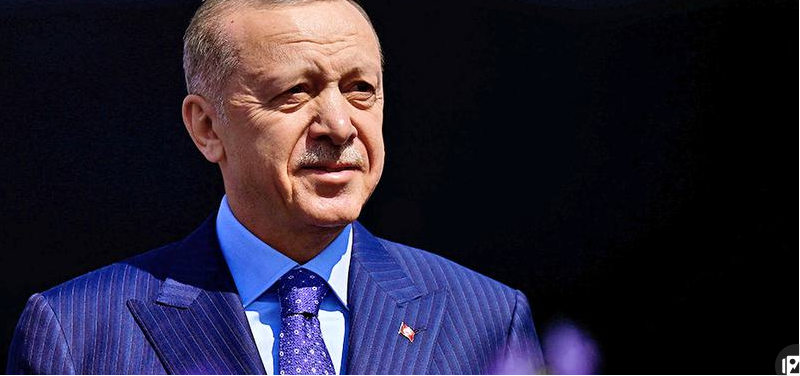 for the more information click on this link
Looking Ahead: What This Means for Turkey’s Political Future
The dismissal of pro-Kurdish mayors is a critical moment in Turkey’s political landscape, as it raises important questions about the future of democracy, political pluralism, and minority representation in the country. Turkey’s approach to addressing Kurdish political representation will be key in shaping its democratic identity and ensuring long-term stability. Addressing Kurdish concerns through engagement, Turkey Ousts rather than suppression, could lead to a more inclusive and resilient Turkish society.
For Turkey’s government, finding a balance between national security and democratic representation remains a complex challenge. While maintaining security is undoubtedly important, Turkey Ousts undermining democratic institutions risks eroding public trust and creating a more polarized society. Moving forward, Turkey’s political trajectory will depend on how it navigates these complex issues and whether it can uphold democratic principles while ensuring national stability.
Conclusion: Upholding Democratic Principles Amid Security Concerns
The recent dismissal of pro-Kurdish mayors in Turkey has shone a spotlight on the tensions between national security and democratic rights in the country. While the Turkish government justifies these actions as necessary for security, the removals have sparked domestic unrest and drawn international criticism, Turkey Ousts with concerns that Turkey’s democracy is being compromised in the process.
For Turkey’s democratic institutions to thrive, upholding the integrity of elections and protecting the rights of all political parties are essential. This incident serves as a reminder of the importance of democratic freedoms and the need for transparent governance that respects the will of the people. As Turkey faces these challenges, the hope is that it will find ways to strengthen its democracy, Turkey Ousts maintain social cohesion, and ensure that all citizens feel represented within the political landscape. ALSO READ:- “With Rishabh Still There, I Didn’t Believe the Game Was Over”: Reflecting on Rishabh Pant’s Unyielding Spirit in Indian Cricket