



Civil War-Hit Somalia in a landmark move that has drawn attention from around the world, the United States has agreed to write off over $1 billion in debt owed by Somalia, one of the most war-torn and impoverished nations in Africa. This debt forgiveness is a significant step in U.S. foreign policy, Civil War-Hit Somalia particularly in the context of global debt relief and Somalia’s ongoing recovery from decades of civil war, instability, and humanitarian crises. It also marks a pivotal moment in international efforts to alleviate the burden of debt on countries facing severe economic challenges.
The decision is part of a broader initiative to support Somalia’s recovery and promote regional stability, while also aligning with international efforts aimed at addressing the mounting debt crises faced by developing nations around the world. This blog post will explore the context of Somalia’s debt, Civil War-Hit Somalia the impact of the U.S. decision, the broader implications of debt forgiveness, and what this move could mean for Somalia’s future as it continues its journey toward recovery and stability.
1. The Debt Burden of Somalia
Somalia, a country located in the Horn of Africa, Civil War-Hit Somalia has been plagued by instability and conflict for decades. Since the collapse of its central government in the early 1990s, Somalia has experienced a prolonged civil war, famine, and ongoing conflict with terrorist groups such as Al-Shabaab. These factors have contributed to a severe economic crisis, making Somalia one of the poorest countries in the world.
a. The Origins of Somalia’s Debt
Somalia’s debt stems from loans taken by its previous governments during more stable times, particularly during the 1970s and 1980s, when the country was more integrated into the global economy. The government of the Somali Democratic Republic, led by Siad Barre, Civil War-Hit Somalia took out substantial loans from international creditors, including foreign governments and multilateral institutions such as the International Monetary Fund (IMF) and the World Bank.
However, after the fall of Barre’s regime and the onset of civil war in the early 1990s, Somalia’s ability to service its debts was severely compromised. The country’s economy collapsed, and the international community halted most financial support, exacerbating the financial crisis. Over time, Somalia accumulated an unsustainable level of external debt, Civil War-Hit Somalia which continued to grow even as the nation struggled with internal conflict and an absence of effective governance. 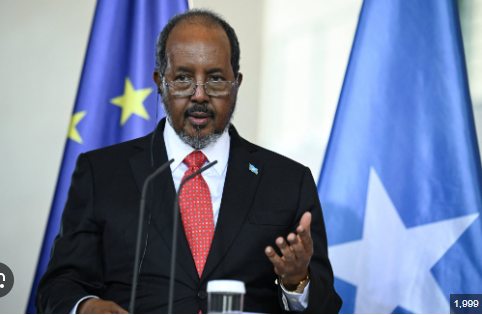 for the more information click on this link
By the time Somalia began seeking debt relief in the 2000s, its external debt had ballooned to approximately $5.3 billion. However, this was not the full extent of the problem. In addition to foreign debt, Somalia faced internal economic challenges, including the displacement of millions of people due to violence, Civil War-Hit Somalia lack of infrastructure, and widespread poverty.
b. The Cost of Civil War and Instability
The civil war that has devastated Somalia for nearly three decades has had a profound impact on the country’s ability to repay its debts. Political instability, Civil War-Hit Somalia insecurity, and violence have rendered it difficult for Somalia to implement reforms, attract foreign investment, or generate sustainable revenue streams.
Moreover, the war has caused a massive humanitarian crisis, Civil War-Hit Somalia with millions of people living in dire conditions, dependent on foreign aid for survival. The constant threat from extremist groups, particularly Al-Shabaab, further complicates the situation, as it creates an environment where stability and development are nearly impossible.
In this context, Somalia’s debt burden became a symbol of the disconnect between its economic struggles and the weight of international financial obligations. The decision to write off over $1 billion in debt is a reflection of this harsh reality and a recognition that traditional approaches to debt repayment are not feasible for a country in Somalia’s position.
2. U.S. Debt Forgiveness and Its Global Significance
The U.S. decision to forgive over $1 billion in debt owed by Somalia is a remarkable and unprecedented step, given the country’s historical role in the global financial system and its emphasis on debt repayment and financial discipline. For many years, Civil War-Hit Somalia the U.S. and other creditor nations have been wary of debt forgiveness, particularly for countries that have not demonstrated economic reforms or progress in governance.
a. The U.S. Role in Debt Relief Initiatives
The United States has long been a key player in international debt relief efforts, particularly for developing nations burdened by unsustainable debt. Through institutions such as the IMF and the World Bank, the U.S. has supported various debt relief initiatives aimed at reducing the financial pressures faced by low-income countries. However, the process of debt forgiveness has often been slow and contentious, Civil War-Hit Somalia with many creditor nations reluctant to write off loans without conditions.
In Somalia’s case, the U.S. decision represents a significant shift in the approach to debt relief. By canceling over $1 billion in debt, the U.S. is signaling a greater willingness to support fragile states in their recovery and development, particularly those struggling with complex challenges such as civil conflict, Civil War-Hit Somalia terrorism, and extreme poverty. This move comes on the heels of Somalia’s ongoing efforts to rebuild its government institutions and establish peace after decades of war.
b. The Role of the International Community
The U.S. decision is also aligned with broader global debt relief efforts, particularly the Heavily Indebted Poor Countries (HIPC) initiative, which was launched in the 1990s to address the debt crisis facing developing nations. The HIPC initiative is designed to reduce the external debt burden of eligible countries to sustainable levels, Civil War-Hit Somalia enabling them to invest in poverty reduction and economic development.
In Somalia’s case, this debt forgiveness is seen as part of a broader effort by the international community to assist the country in its long road to recovery. The World Bank and other international financial institutions have played a key role in supporting Somalia’s economic recovery through grants, low-interest loans, and technical assistance.
c. Implications for Other Countries in Conflict
Somalia is not the only country facing the dual challenge of economic debt and conflict. Other nations, particularly in sub-Saharan Africa, the Middle East, and parts of Asia, are grappling with similar issues. The U.S. decision to forgive Somalia’s debt could serve as a model for addressing debt relief in conflict-affected countries, Civil War-Hit Somalia particularly those that have made progress toward rebuilding their economies and governments.
As international attention increasingly focuses on addressing global inequality and the challenges faced by post-conflict nations, the concept of “debt forgiveness” is likely to gain further traction as a tool for fostering stability and growth. The Somali example may pave the way for more countries to receive the support they need to rebuild without the weight of overwhelming financial obligations.
3. The Impact of Debt Forgiveness on Somalia’s Recovery
The impact of this debt relief on Somalia’s recovery cannot be overstated. Somalia has made significant strides in recent years, particularly under the leadership of its internationally recognized government. Despite the challenges posed by the ongoing conflict with Al-Shabaab and other groups, Civil War-Hit Somalia the Somali government has managed to implement some reforms and initiate programs aimed at improving governance, security, and development.
a. Economic Implications for Somalia
The debt forgiveness provides Somalia with much-needed financial breathing room. By eliminating a significant portion of its external debt, the Somali government can redirect funds toward more immediate priorities, such as infrastructure development, public services, Civil War-Hit Somalia and security. This move could also pave the way for further international investment, as potential investors may see the country as a more attractive destination for business.
With reduced debt servicing costs, Somalia is better positioned to negotiate loans or financial assistance from other international creditors and organizations, potentially unlocking additional sources of funding for long-term development projects.
b. Strengthening Somalia’s Governance and Stability
The U.S. debt forgiveness could also contribute to strengthening Somalia’s political stability. With the financial pressure lifted, the Somali government has more flexibility to focus on governance reforms and the establishment of stronger state institutions. This includes bolstering the rule of law, Civil War-Hit Somalia promoting transparency, and building a more inclusive political system that can address the needs of Somalia’s diverse population.
Moreover, the debt relief serves as a signal to the Somali people that the international community is invested in their country’s future, offering a sense of hope and encouragement as they rebuild their nation from the ground up.
c. Humanitarian Impact
Perhaps the most immediate impact of the debt relief will be on Somalia’s humanitarian situation. The country has been facing one of the worst humanitarian crises in the world, Civil War-Hit Somalia with millions of people suffering from food insecurity, displacement, and lack of access to basic services. Debt forgiveness can free up resources to address these critical issues by investing in humanitarian aid, healthcare, education, and housing. 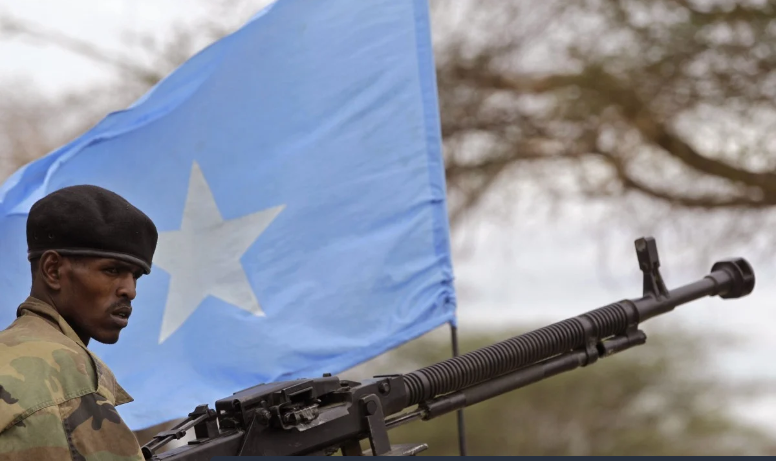 for the more information click on this link
4. Challenges Ahead for Somalia
While the debt relief is a significant step forward, Somalia faces numerous challenges as it continues its journey of recovery. Political instability, ongoing conflict, poverty, and corruption remain pressing issues. The country will need to continue its efforts to build strong institutions, ensure security, Civil War-Hit Somalia and foster an environment conducive to economic growth.
Moreover, the international community must continue to support Somalia in its efforts, not just through debt forgiveness, but through long-term investments in infrastructure, Civil War-Hit Somalia capacity building, and governance reforms. Sustainable development in Somalia will require continued collaboration between the Somali government, international donors, and private investors.
5. Conclusion
The U.S. decision to write off over $1 billion in debt owed by Somalia represents a significant moment in the global conversation about debt relief and international assistance. This move underscores the need for a compassionate and pragmatic approach to helping countries recover from conflict and poverty. For Somalia, this debt forgiveness offers hope for a brighter future, one where it can rebuild its economy, strengthen its institutions, and offer a better life to its citizens.
As Somalia continues to recover, the international community must remain committed to supporting the country’s development. Debt forgiveness is just one part of a larger process, Civil War-Hit Somalia but it represents an essential step in lifting Somalia out of the shadows of conflict and into a more prosperous future. The global implications of this decision extend beyond Somalia, serving as a powerful reminder of the importance of global solidarity in addressing the challenges faced by the world’s most vulnerable nations. ALSO READ:- Noel Tata Appointed to the Board of Tata Sons: A New Chapter for the Tata Group 2024