


1. Introduction: A Fragile Ceasefire Under Fire
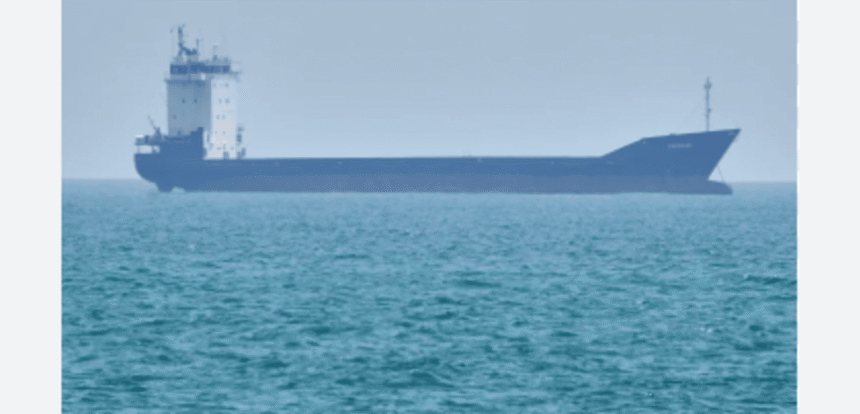
Iran Attacks Ship in Strait of Hormuz ongoing Iran–Israel conflict has entered yet another volatile phase, as tensions escalate in the strategically vital Strait of Hormuz even while diplomatic efforts attempt to prevent a wider regional war. In a dramatic development, Iran reportedly targeted a commercial vessel in the Strait, raising alarm across global markets and military establishments. This incident comes just as former U.S. President Donald Trump announced an indefinite extension of the ceasefire aimed at allowing peace negotiations more time to succeed.
However, the contradiction between military actions on the ground and diplomatic messaging at the top reflects the fragile and deeply mistrusted nature of the current truce.
2. Background: How the War Began
The Iran–Israel war began on February 28, 2026, rapidly escalating into a broader regional conflict involving multiple actors, including Hezbollah in Lebanon and indirect U.S. involvement. Over 5,000 civilians have reportedly been killed, with hundreds of thousands displaced across Iran, Lebanon, and neighboring regions.
The conflict initially centered around Israel’s security concerns and Iran’s nuclear ambitions, but it quickly expanded into a multi-front confrontation. Iran responded to Israeli strikes by leveraging its strategic position in the Strait of Hormuz—a chokepoint through which nearly 20% of global oil supply passes.
3. Strategic Importance of the Strait of Hormuz
The Strait of Hormuz has emerged as the central flashpoint in this war. This narrow waterway connects the Persian Gulf to global markets and is crucial for energy exports from countries like Saudi Arabia, UAE, and Iraq. 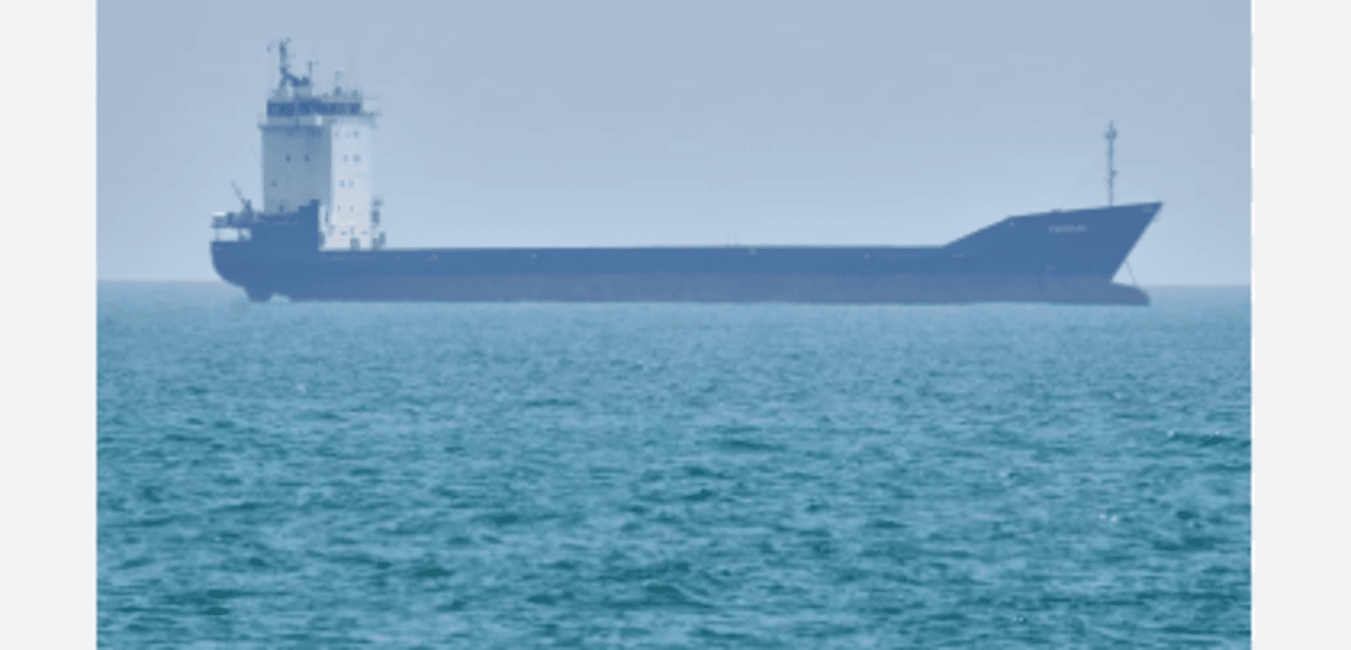

Any disruption in this region has immediate global consequences, including spikes in oil prices and instability in financial markets. According to recent reports, shipping traffic through the Strait has drastically reduced, with only a handful of vessels passing daily due to security fears.
Iran has repeatedly used the Strait as a strategic bargaining tool—closing it, reopening it, and now allegedly targeting ships—to exert pressure on the U.S. and its allies.
4. The Latest Incident: Iran Attacks Vessel
In the most recent escalation, Iran reportedly attacked a commercial ship transiting the Strait of Hormuz. While details remain limited, the move is widely interpreted as a signal of defiance against ongoing U.S. naval blockades and Israeli military operations.
Iran has consistently argued that U.S. actions—particularly the blockade of Iranian ports—constitute acts of war. In response, Tehran has indicated that it will not allow free passage in the Strait if its own economic lifelines remain restricted.
This attack underscores a dangerous pattern: even as ceasefire talks continue, military actions are intensifying on critical fronts.
5. Trump’s Ceasefire Extension: Diplomacy or Delay?
Amid escalating tensions, Donald Trump announced an indefinite extension of the ceasefire, citing the need for more time to negotiate a lasting peace. The decision reportedly followed mediation efforts by Pakistan, which has played a key diplomatic role in the crisis.
However, the ceasefire extension has been met with skepticism:
- Iran has denied formally agreeing to the extension.
- Israel continues military operations, particularly against Hezbollah.
- The U.S. naval blockade remains in place.
These contradictions have led many analysts to question whether the ceasefire is merely symbolic rather than substantive.
6. Iran’s Position: Resistance and Strategic Leverage
Iran has taken a firm stance, insisting that any ceasefire must include the lifting of U.S. sanctions and blockades. Iranian officials have repeatedly emphasized their right to defend national sovereignty and maintain control over the Strait of Hormuz.
Tehran’s strategy appears twofold:
- Military Pressure: Targeting ships and restricting maritime traffic.
- Diplomatic Resistance: Rejecting U.S. proposals unless key demands are met.
Iranian leadership has also warned neighboring countries against supporting U.S. operations, hinting at broader regional consequences.
7. Israel’s Role: Continued Military Operations
Israel remains actively engaged in the conflict, particularly in Lebanon, where it continues to target Hezbollah positions. Despite ceasefire announcements, exchanges of fire have persisted, undermining hopes for de-escalation.
Israel views Iran as an existential threat and has shown little willingness to halt operations without significant concessions from Tehran.
8. Global Impact: Oil, Markets, and Supply Chains
The disruption in the Strait of Hormuz has had immediate global repercussions:
- Oil prices have surged, with Brent crude nearing $100 per barrel.
- Shipping costs have skyrocketed due to increased insurance risks.
- Global supply chains, including LNG and essential goods, are facing delays.
Financial markets across the Gulf region have shown mixed reactions, Iran Attacks Ship in Strait of Hormuz reflecting uncertainty about the conflict’s trajectory.
9. Role of International Players
Several global powers are now actively involved in managing the crisis:
- United Kingdom and France are leading multinational efforts to secure the Strait.
- Pakistan is acting as a mediator between the U.S. and Iran.
- United States continues its dual strategy of military pressure and diplomatic outreach.
Despite these efforts, a unified international response remains elusive.
10. Humanitarian Crisis Deepens
Beyond geopolitical implications, the human cost of the conflict continues to rise:
- Thousands killed across multiple countries.
- Massive displacement, particularly in Lebanon and Iran.
- Critical shortages of food, medicine, and basic supplies.
Humanitarian organizations have warned that the situation could worsen if the conflict expands further.
11. Ceasefire Challenges: Why Peace Remains Elusive
Several factors are hindering peace efforts: 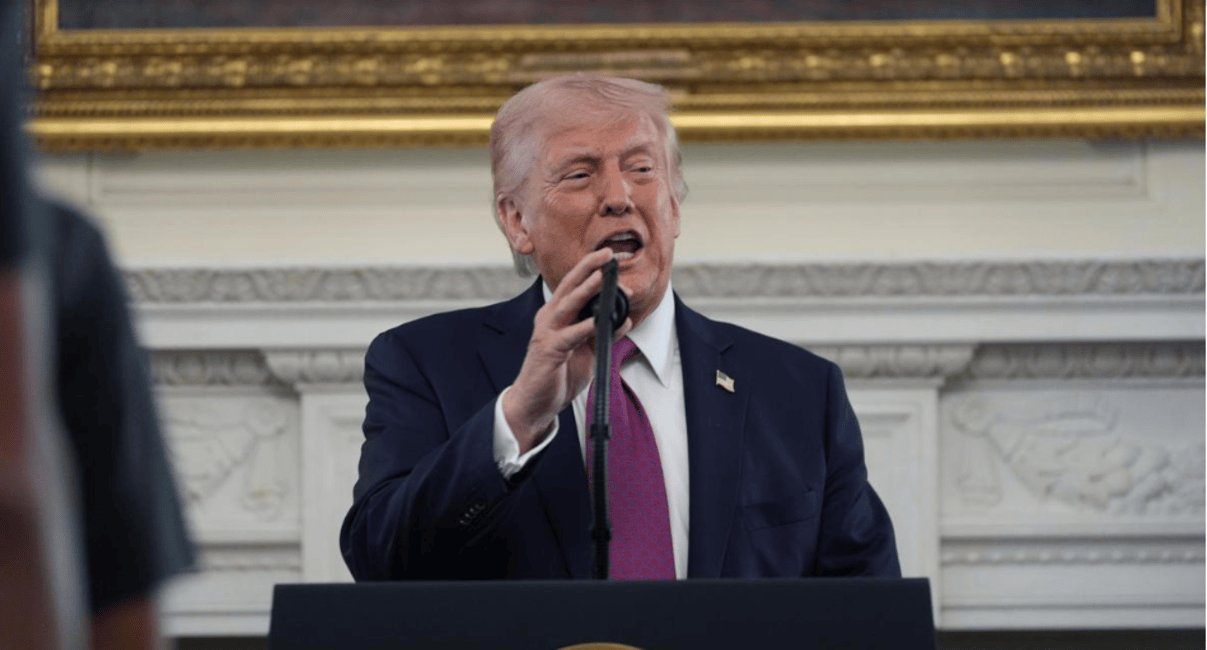

- Mutual Distrust: Both sides doubt each other’s intentions.
- Conflicting Objectives: Iran seeks sanctions relief; the U.S. demands nuclear concessions.
- Ongoing Military Actions: Continued strikes undermine diplomatic progress.
Even as talks continue in Islamabad, the gap between the parties remains wide.
12. Rising Risk of Regional War
The latest attack in the Strait of Hormuz highlights the risk of a broader regional conflict. Any escalation could draw in additional actors, including Gulf states and NATO allies.
Iran has already warned that it may expand its response if provoked further, Iran Attacks Ship in Strait of Hormuz raising fears of a multi-front war that could destabilize the entire Middle East.
13. Future Outlook: What Lies Ahead
The coming days will be critical in determining the direction of the conflict:
- Will Iran continue targeting ships?
- Can diplomatic efforts produce a breakthrough?
- Will the ceasefire hold, or collapse entirely?
Much depends on whether both sides are willing to make meaningful concessions—something that has so far proven elusive.
14. Conclusion: A Conflict at a Crossroads
The Iran–Israel war stands at a निर्णायक मोड़ (critical juncture). While diplomatic efforts continue, Iran Attacks Ship in Strait of Hormuz events on the ground tell a different story—one of escalation, mistrust, and strategic maneuvering.
The reported Iranian attack in the Strait of Hormuz, combined with Trump’s ceasefire extension, encapsulates the paradox of this conflict: peace is being negotiated even as war intensifies.
Unless decisive steps are taken, the situation risks spiraling into a broader confrontation with far-reaching global consequences.
15. Key Takeaways (Quick Summary)
- Iran reportedly attacked a ship in the Strait of Hormuz.
- Trump has extended the ceasefire indefinitely, but without full agreement.
- The Strait remains a critical flashpoint affecting global oil supply.
- Diplomatic efforts are ongoing but face significant challenges.
- The risk of a wider regional war remains high. ALSO READ:- Fire at Rajasthan HPCL Refinery Forces Cancellation of PM Modi’s Inauguration: Safety Concerns Take Centre Stage 2026