


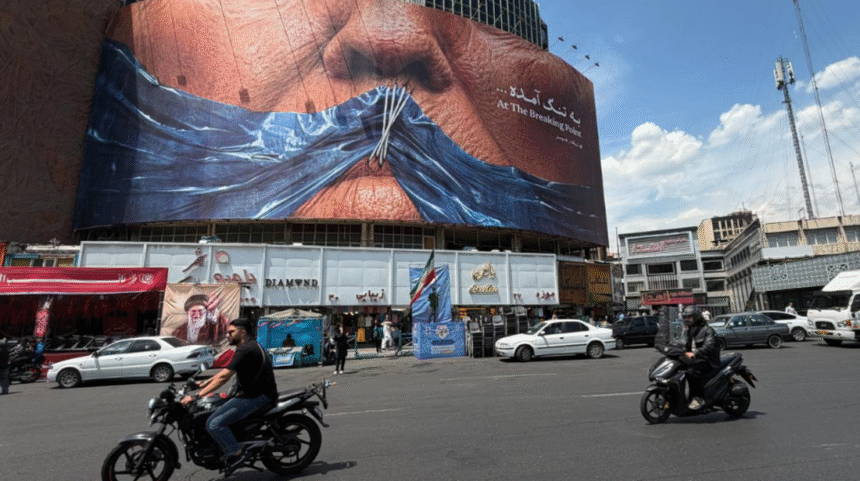
War, Fear, and Nationalism Drive Nightly Demonstrations in Iran’s Capital
Introduction
Sleepless in Tehran as Crowds as conflict and uncertainty grip Iran, the streets of Tehran are witnessing a striking phenomenon: sleepless nights filled with rallies, chants, and waves of national flags. Amid air raid sirens, geopolitical tension, and economic strain, thousands of citizens are gathering in public squares, projecting unity and defiance.
These scenes—part patriotism, part political signaling—highlight the complex mood inside Iran. While some rally in support of the state and its institutions, others remain silent, wary, or dissenting. Together, they paint a layered picture of a nation under pressure, where nationalism and anxiety coexist in equal measure.
A City Awake Through the Night
Rallies That Stretch Into Darkness
Nightfall in Tehran no longer signals rest. Instead, it marks the beginning of large gatherings across key locations like Enghelab Square. Citizens wave Iranian flags, chant slogans, and participate in demonstrations that often extend late into the night.
Recent reports suggest that such rallies have been actively encouraged by authorities, particularly during periods of heightened military tension.
A Symbol of Defiance
For many participants, these gatherings are about more than politics—they are a show of resilience:
- A refusal to appear weakened by external threats
- A display of unity during wartime
- A reaffirmation of national identity
The flag, prominently visible in these rallies, has become a powerful symbol of collective strength.
The Context: War and External Pressure
Rising Geopolitical Tensions
Iran’s internal dynamics cannot be separated from its external environment. The country has faced:
- Military confrontations involving the U.S. and Israel
- Economic sanctions and currency instability
- Diplomatic isolation and stalled negotiations
These pressures have contributed to a “rally-around-the-flag” effect, where citizens—regardless of political leanings—temporarily unite in the face of external threats.
Impact on Daily Life
For ordinary Iranians, the consequences are tangible:
- Fear of escalation and airstrikes
- Rising cost of living
- Disruptions to routine life
In such circumstances, public demonstrations often serve as both emotional outlets and political expressions.
Government’s Role in Mobilizing Crowds
Organized Demonstrations
Authorities in Iran have a long history of organizing pro-government rallies, particularly during times of unrest or crisis. Tens of thousands have previously gathered in Tehran to show solidarity with the state and its leadership.
Messaging and Narrative
State media frequently portrays these rallies as:
- A “popular uprising” against foreign interference
- Evidence of widespread support for the government
- A warning to adversaries
Leaders have also used these gatherings to reinforce their political legitimacy and maintain public morale.
A Divided Society Beneath the Surface
Support and Skepticism
While large crowds are visible, they do not necessarily represent the entire population. Iranian society remains deeply divided:
- Some citizens genuinely support the government
- Others participate out of obligation or social pressure
- Many remain critical but silent
Reports indicate that pro-government rallies often coexist with underlying public anger and dissatisfaction.
Recent Protest Movements
In recent months, Iran has witnessed significant anti-government protests driven by:
- Economic hardship
- Political repression
- Calls for greater freedoms
These protests have sometimes been met with crackdowns, adding to the complexity of public sentiment. 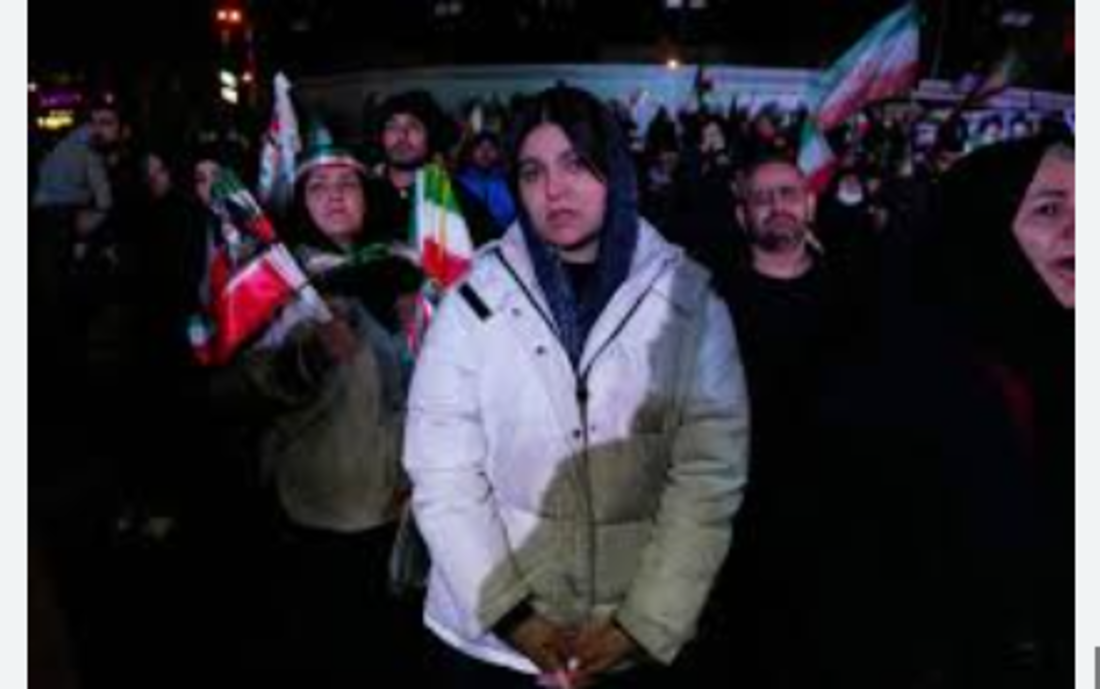

The Psychology of “Rallying Behind the Flag”
Nationalism in Times of Crisis
The phenomenon of rallying behind the flag is not unique to Iran. Across the world, Sleepless in Tehran as Crowds societies facing external threats often experience a surge in national unity.
In Tehran, this manifests as:
- Increased participation in public demonstrations
- Heightened patriotic expression
- Temporary sidelining of internal divisions
Emotional Drivers
Several psychological factors contribute to this behavior:
- Fear of external enemies
- Desire for collective identity
- Need for stability and reassurance
The Role of Leadership
Public Appearances and Symbolism
Iranian leaders have been increasingly visible during these rallies, Sleepless in Tehran as Crowds engaging directly with crowds to project confidence and control.
These appearances serve multiple purposes:
- Boosting public morale
- Demonstrating authority
- Countering narratives of instability
Transition and Continuity
Recent leadership changes and political developments have added another layer of complexity, Sleepless in Tehran as Crowds as the government seeks to maintain continuity and legitimacy during turbulent times.
Media, Messaging, and Perception
State Media Coverage
State-run media outlets play a crucial role in shaping the narrative around these rallies:
- Highlighting large turnout
- Emphasizing unity and patriotism
- Downplaying dissent
International Perspectives
Outside Iran, interpretations of these events vary widely:
- Some view them as genuine expressions of national solidarity
- Others see them as orchestrated displays of support
The truth likely lies somewhere in between.
Economic Strain and Public Sentiment
The Burden of Inflation
Iran’s economy has been under severe strain, Sleepless in Tehran as Crowds with high inflation and currency depreciation affecting everyday life.
Link Between Economy and Protests
Economic challenges have historically been a major driver of unrest in Iran, leading to:
- Demonstrations by workers and students
- Criticism of government policies
- Calls for reform
Yet, during periods of external threat, Sleepless in Tehran as Crowds economic grievances may temporarily take a back seat to national concerns.
Voices from the Streets
Expressions of Patriotism
Participants in the rallies often express pride in their country and support for its sovereignty.
Quiet Dissent
At the same time, not all voices are heard publicly. Many Iranians:
- Avoid participation
- Express dissent privately
- Navigate a complex political environment cautiously
The Global Dimension
Diaspora Reactions
Iranian communities abroad are also divided, Sleepless in Tehran as Crowds with some supporting the government and others advocating for change. 

International Implications
The situation in Tehran has broader implications for:
- Regional stability
- Global energy markets
- Diplomatic relations
What Lies Ahead
Uncertain Trajectory
The future of these nightly rallies—and Iran’s broader political trajectory—remains uncertain. Key factors include:
- Developments in the ongoing conflict
- Economic conditions
- Internal political dynamics
Potential Scenarios
- Continued rallies reinforcing government control
- Resurgence of anti-government protests
- Gradual de-escalation and return to normalcy
Conclusion
The sleepless nights in Tehran reflect a nation at a crossroads. The sight of crowds rallying behind the flag captures both resilience and tension—a society navigating fear, pride, Sleepless in Tehran as Crowds and uncertainty all at once.
While the rallies project unity, they also mask deeper divisions and unresolved challenges. In this complex landscape, the true story of Tehran lies not just in the crowds that gather, Sleepless in Tehran as Crowds but in the millions who watch, wait, and wonder what comes next.
As events continue to unfold, one thing remains clear: Iran’s streets are not just witnessing demonstrations—they are telling the story of a nation under pressure, searching for stability in an increasingly volatile world. ALSO READ:-OPEC+ Agrees in Principle on Modest Oil Output Hike, UAE Opts Out: What It Means for Global Markets 2026