



1. Introduction: A Paradox in the Capital
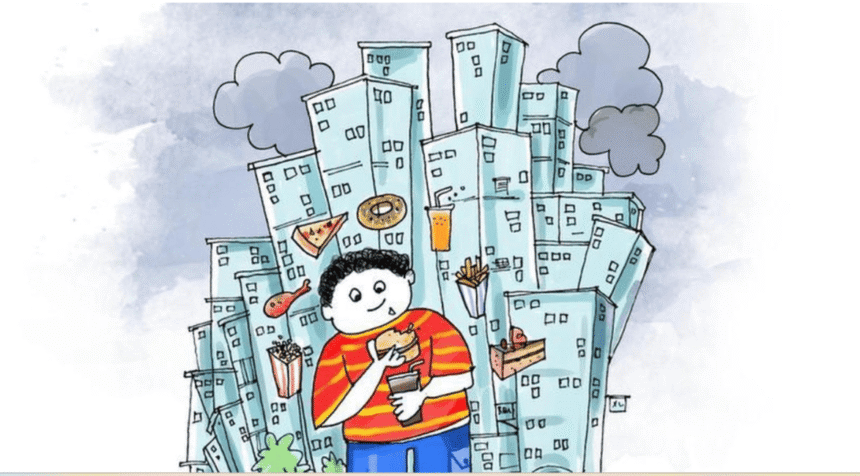
Overfed Yet Undernourished the bustling urban expanse of Delhi, a troubling paradox is quietly unfolding—people are increasingly “overfed” yet “undernourished.” While access to food has improved and calorie intake has risen, the quality of nutrition has not kept pace. This contradiction highlights a growing public health concern where diets rich in calories but poor in essential nutrients are leading to a silent crisis.
This phenomenon is not limited to any one group; it cuts across socio-economic classes, affecting both the affluent and the underprivileged in different ways.
2. Understanding the Concept: Overfed but Undernourished
The phrase “overfed yet undernourished” refers to individuals who consume enough—or even excessive—calories but lack vital nutrients such as:
- Vitamins
- Minerals
- Protein
- Fiber
This imbalance leads to a condition often described as hidden hunger, a form of malnutrition that is not always visible but has serious health consequences.
3. Changing Food Habits in Urban India
Urbanization in Delhi has dramatically altered eating patterns.
Key Changes Include:
- Increased consumption of processed foods
- Dependence on fast food and packaged snacks
- Reduced intake of traditional, home-cooked meals
These changes have contributed to diets that are high in sugar, salt, and unhealthy fats but low in essential nutrients.
4. The Rise of Processed and Fast Foods
The popularity of fast food outlets and ready-to-eat meals has surged in recent years.
Why People Choose Them:
- Convenience
- Affordability
- Aggressive marketing
However, these foods often lack nutritional balance, contributing to the problem of overfeeding without nourishment.
5. Socio-Economic Divide: Two Sides of the Same Coin
The nutrition crisis in Delhi manifests differently across income groups.
Among the Urban Poor:
- Limited access to diverse foods
- Reliance on cheap, calorie-dense staples
- Micronutrient deficiencies
Among the Affluent:
- Overconsumption of processed foods
- Sedentary lifestyles
- Rising obesity rates
Despite differences, both groups face nutritional challenges. 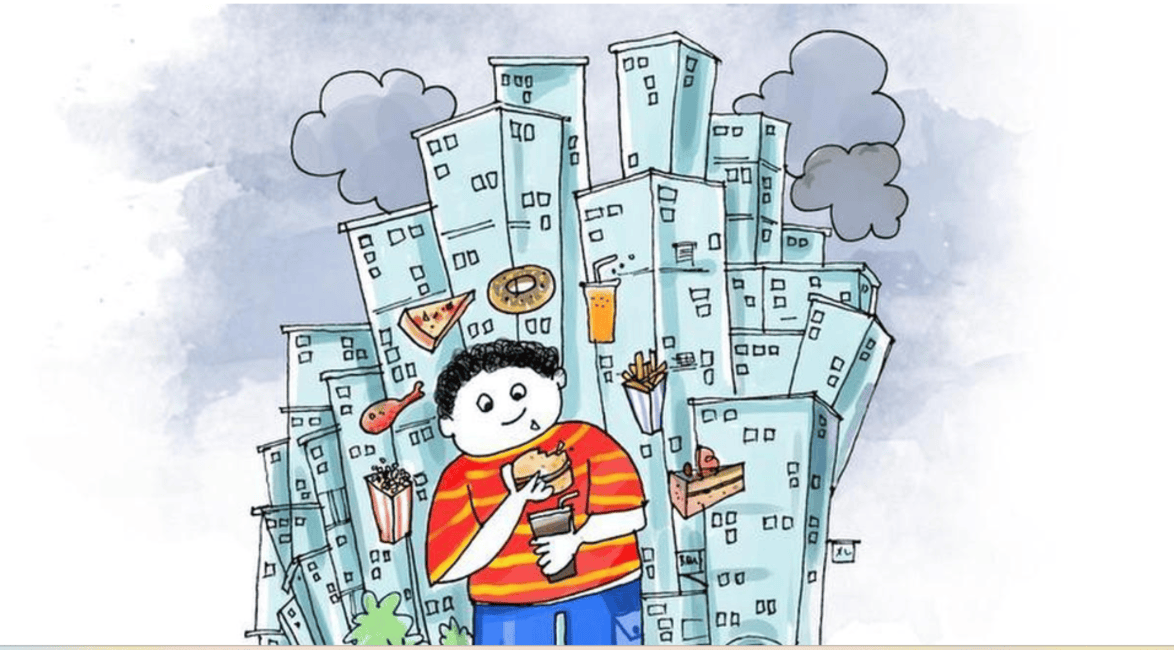 FORE MORE INFORMATION
6. Health Implications: A Double Burden
The consequences of being overfed yet undernourished are severe.
Common Health Issues:
- Obesity
- Type 2 Diabetes
- Hypertension
- Heart disease
- Weak immunity
This “double burden” of malnutrition—coexistence of undernutrition and obesity—is becoming increasingly common.
7. Impact on Children: A Growing Concern
Children in Delhi are particularly vulnerable.
Key Issues:
- Stunted growth
- Poor cognitive development
- Increased susceptibility to illness
Even when children consume sufficient calories, lack of nutrients can hinder their overall development.
8. Women and Nutrition: A Critical Link
Women play a central role in household nutrition but are often themselves undernourished.
Challenges Faced by Women:
- Nutritional neglect
- Anemia
- Lack of awareness
Improving women’s nutrition is essential for the health of entire families.
9. Lifestyle Factors: Sedentary Urban Living
Modern lifestyles in Delhi contribute significantly to the problem.
Key Factors:
- Desk jobs and reduced physical activity
- Increased screen time
- Irregular eating habits
These factors exacerbate the effects of poor dietary choices.
10. Role of Advertising and Consumer Culture
Aggressive marketing of unhealthy foods influences consumer behavior.
Impact Includes:
- Increased consumption of junk food
- Misleading perceptions of “healthy” products
- Targeting of children and youth
Regulating such advertising is a growing concern.
11. Government Initiatives: Addressing Malnutrition
The Government of India has launched several programs to combat malnutrition:
- POSHAN Abhiyaan
- Mid-Day Meal Scheme
- Public Distribution System (PDS)
While these initiatives have made progress, challenges remain in ensuring balanced nutrition.
12. Role of Education and Awareness
Awareness is key to tackling the nutrition crisis.
Important Measures:
- Nutrition education in schools
- Public health campaigns
- Community outreach programs
Educating people about balanced diets can lead to better food choices.  FORE MORE INFORMATION
13. Importance of Traditional Diets
Traditional Indian diets are often more balanced and nutritious.
Benefits Include:
- Use of diverse ingredients
- Inclusion of whole grains, pulses, and vegetables
- Balanced nutrient intake
Reviving these dietary practices can help address the issue.
14. The Way Forward: Building a Healthier Future
Addressing the problem of being overfed yet undernourished requires a multi-pronged approach:
- Promoting balanced diets
- Encouraging physical activity
- Strengthening public health policies
- Regulating food marketing
Collaboration between government, healthcare providers, and communities is essential.
15. Conclusion: Tackling the Hidden Crisis
The paradox of being overfed yet undernourished in Delhi highlights a critical challenge in modern urban life.
While food availability has improved, the focus must now shift to quality and balance. Addressing this hidden crisis is not just a matter of individual health but a broader societal responsibility.
By making informed choices and implementing effective policies, it is possible to create a healthier and more nourished population.
16. Key Highlights (Quick Summary)
- Delhi faces a paradox of overfeeding and undernourishment
- Processed foods and lifestyle changes are major causes
- Both rich and poor are affected differently
- Health risks include obesity and diabetes
- Awareness and balanced diets are key solutions ALSO READ:-AAP Seeks Disqualification of Raghav Chadha, Other Alleged Defecting MPs; Submits Formal Plea 2026