


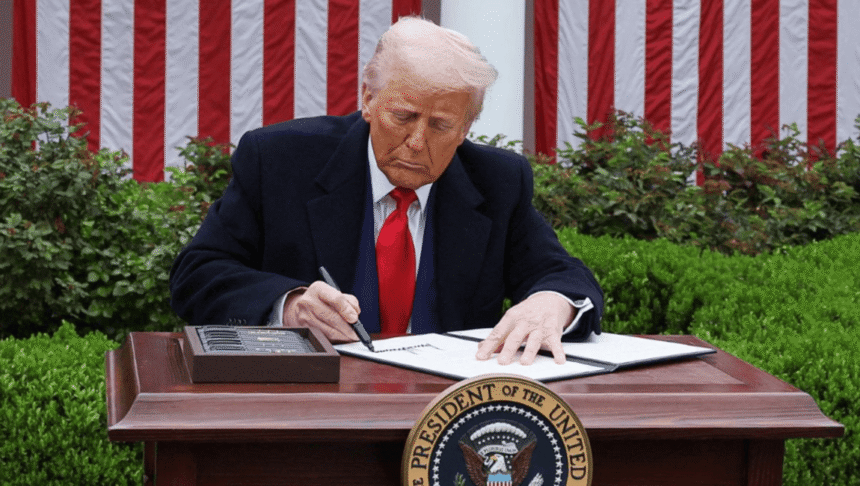
Trump Claims ongoing conflict in West Asia has taken a dramatic turn as Iran announced the reopening of the strategically crucial Strait of Hormuz, while former U.S. President Donald Trump claimed that Tehran has agreed to “never” close the waterway again.
The development comes amid a fragile two-week ceasefire between Iran and the United States, raising cautious optimism in global markets and diplomatic circles. However, despite the apparent breakthrough, analysts warn that the situation remains volatile, with several unresolved tensions continuing to threaten long-term stability.
Strait of Hormuz Reopens: A Crucial Turning Point
Iran officially declared that the Strait of Hormuz is now open for commercial shipping, marking a significant shift after weeks of disruption caused by the conflict. The strait, through which nearly 20% of the world’s oil supply passes, had effectively become a geopolitical chokepoint during the war.
According to Iranian officials, commercial vessels are now allowed to pass through designated routes coordinated by Iranian authorities.
This reopening is tied to the ongoing ceasefire agreement and is expected to remain in place for the duration of the two-week truce.
However, restrictions still apply:
- Only commercial vessels are permitted
- Ships must follow routes approved by Iran
- Coordination with Iranian forces remains mandatory
These conditions indicate that while the strait is technically open, Iran continues to exercise significant control over maritime movement.
Trump’s Claim: “Iran Will Never Close It Again”
In a bold statement, Donald Trump declared that Iran has agreed to never again shut down the Strait of Hormuz.
Trump framed this as a major diplomatic victory, suggesting that the agreement ensures long-term stability in global energy supply routes. He also indicated that negotiations with Iran have led to broader commitments, including de-escalation measures and limits on strategic actions. 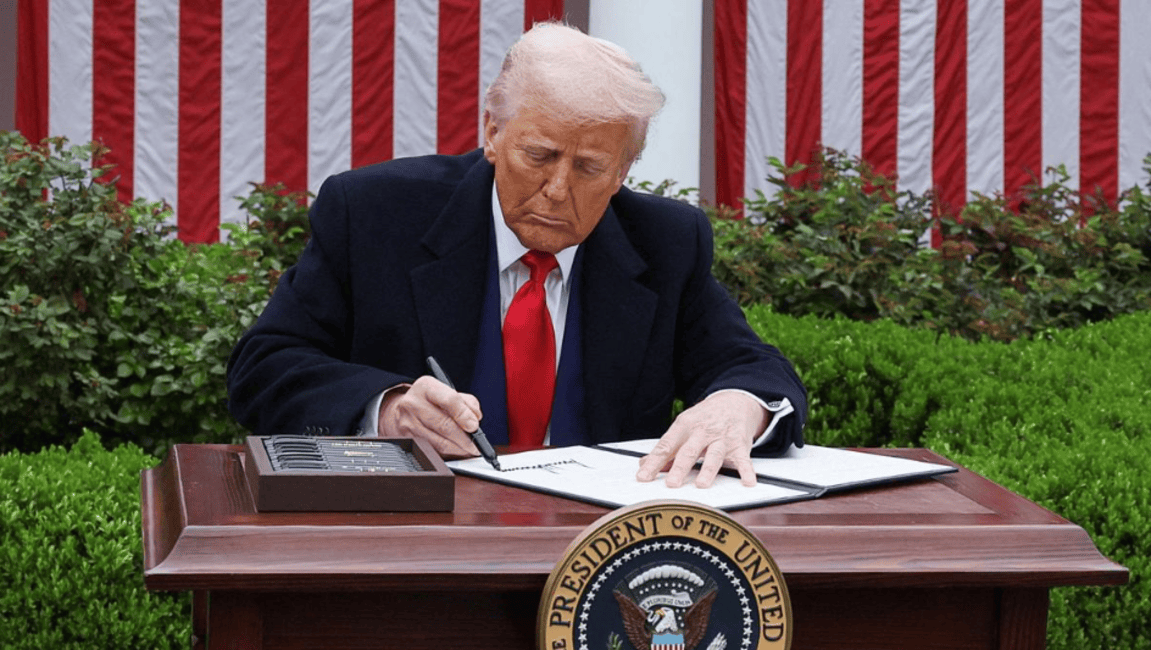

However, there has been no clear independent confirmation from Iranian authorities explicitly endorsing this “never again” commitment. Experts caution that such claims may reflect ongoing negotiations rather than a finalized, binding agreement.
The Role of the Ceasefire Agreement
The reopening of the strait is directly linked to a temporary ceasefire brokered between Iran and the United States. Under this arrangement:
- The U.S. paused military strikes on Iran
- Iran agreed to allow safe passage through the Strait of Hormuz
- Both sides committed to reducing hostilities
The ceasefire is currently limited to a two-week period, Trump Claims making it a short-term confidence-building measure rather than a permanent resolution.
Economic Impact: Oil Prices Plunge
One of the most immediate consequences of the reopening has been a sharp drop in global oil prices.
- Brent crude fell by over 10%
- U.S. crude prices also declined significantly
- Markets responded positively to reduced geopolitical risk
This dramatic shift reflects how critical the Strait of Hormuz is to global energy markets. Even the possibility of disruption can send prices soaring, Trump Claims while signs of stability bring immediate राहत to economies worldwide.
Security Concerns Persist Despite Reopening
Despite the positive headlines, the situation on the ground—or rather, Trump Claims at sea—remains uncertain.
Experts highlight several ongoing risks:
- Possible presence of naval mines in the strait
- Continued U.S. naval blockade around Iranian ports
- Lack of full clarity on enforcement mechanisms
Shipping companies and insurers remain cautious, Trump Claims with some reluctant to resume normal operations until security conditions are fully verified.
U.S. Naval Blockade Still in Place
Even as the strait reopens, the United States has maintained its naval presence in the region.
Donald Trump confirmed that the U.S. blockade of Iranian-linked shipping remains active until a comprehensive peace agreement is reached.
This creates a complex situation:
- The strait is open, but heavily monitored
- Iran controls passage routes
- The U.S. enforces strategic restrictions
Such overlapping controls could lead to confusion or even accidental escalation if not carefully managed.
Iran’s Strategic Leverage Remains Intact
Even with the reopening, Iran continues to hold significant leverage over the Strait of Hormuz.
By controlling access routes and requiring coordination, Trump Claims Tehran retains the ability to influence global shipping. Analysts describe this as a “soft control” mechanism—less aggressive than a full closure but still highly impactful.
Additionally, Iran has previously indicated that it could reconsider its position if the ceasefire terms are violated or if external pressure increases.
Regional Dynamics: Israel and Lebanon Factor
The broader conflict involving Israel and Lebanon also plays a role in shaping the situation.
Recent developments suggest:
- A ceasefire in Lebanon has contributed to easing tensions
- The U.S. has discouraged further escalation in the region
- Diplomatic efforts are ongoing to stabilize multiple fronts
However, any breakdown in these parallel negotiations could quickly impact the Hormuz situation.
Global Implications: Beyond the Middle East
The Strait of Hormuz is not just a regional concern—it is a global economic lifeline.
Countries across Asia, Europe, and beyond depend heavily on oil shipments passing through this narrow waterway. Any disruption has immediate ripple effects:
- Fuel prices rise
- Supply chains are disrupted
- Inflationary pressures increase

The reopening, therefore, is being closely watched by governments, businesses, and financial markets worldwide.
Diplomatic Uncertainty: Is a Long-Term Deal Possible?
While the current developments are encouraging, the path to a lasting peace remains uncertain.
Key unresolved issues include:
- Iran’s nuclear program
- U.S. sanctions on Iran
- Regional power dynamics involving Israel and allied groups
Donald Trump has expressed optimism about reaching a broader agreement, Trump Claims but analysts caution that significant hurdles remain.
Conclusion: A Fragile Calm in a Volatile Region
The reopening of the Strait of Hormuz marks a significant moment in the ongoing Iran–Israel–U.S. conflict. It offers a temporary राहत to global markets and raises hopes for de-escalation.
However, the situation is far from resolved.
While Donald Trump claims that Iran has agreed to never close the strait again, the reality on the ground suggests a more cautious interpretation. The reopening is conditional, the ceasefire is temporary, and tensions remain high.
In essence, the world is witnessing not a resolution, but a pause—a fragile window of opportunity that could either lead to lasting peace or collapse back into conflict. ALSO READ:- ‘One Battle After Another’ Triumphs at BAFTA: Wins Six Awards Including Best Film in a Landmark Night for British Cinema 2026