


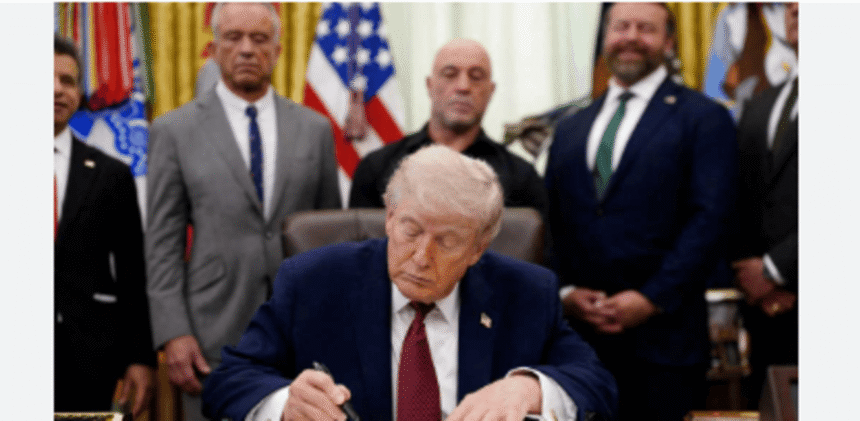
U.S. Officials to Visit Pakistan for Talks a significant development that could reshape regional geopolitics, former U.S. President Donald Trump has announced that American officials will soon travel to Pakistan for negotiations. The statement has sparked widespread speculation about the nature of the talks, their strategic objectives, and their potential impact on South Asia’s already complex political landscape.
Trump’s remarks come at a time of shifting alliances, rising regional tensions, and renewed global focus on South Asia. While specific details of the negotiations remain limited, the announcement has already drawn attention from policymakers, analysts, and international observers.
This article explores the background of U.S.-Pakistan relations, the possible agenda of the upcoming talks, reactions from various stakeholders, and the broader implications for regional and global politics.
Trump’s Announcement: A Strategic Signal
Speaking to reporters, Donald Trump confirmed that U.S. officials would be heading to Pakistan for negotiations. Although he did not provide detailed information, he described the move as part of a broader effort to address key regional challenges.
The announcement was notable not only for its content but also for its timing. It comes amid heightened geopolitical activity in South Asia, including security concerns, economic challenges, and evolving diplomatic alignments.
Trump’s statement suggests a renewed willingness on the part of the United States to engage directly with Pakistan, a country that has historically played a pivotal role in regional affairs.
Historical Context: U.S.–Pakistan Relations
Relations between the United States and Pakistan have long been characterized by a mix of cooperation and tension.
Cold War Era and Strategic Partnership
During the Cold War, Pakistan was a key ally of the United States, U.S. Officials to Visit Pakistan for Talks serving as a strategic partner in countering Soviet influence in the region.
Post-9/11 Cooperation
Following the September 11 attacks, Pakistan became a crucial ally in the U.S.-led war on terror. Cooperation in intelligence sharing and military operations intensified during this period.
Strains and Challenges
Despite periods of close collaboration, relations have also faced significant challenges, including: 

- اختلافات over counterterrorism strategies
- Concerns about militant groups operating in the region
- Differences in regional priorities, particularly regarding Afghanistan
Trump himself had, during his presidency, taken a tougher stance on Pakistan, U.S. Officials to Visit Pakistan for Talks accusing it of not doing enough to combat terrorism. This makes his current statement about negotiations particularly noteworthy.
Possible Agenda of the Talks
While official details are yet to be confirmed, analysts suggest that the negotiations could focus on several key areas:
1. Counterterrorism Cooperation
Security remains a central issue in U.S.-Pakistan relations. The talks may aim to enhance cooperation in combating extremist groups and ensuring regional stability.
2. Afghanistan and Regional Stability
With Afghanistan continuing to face political and security challenges, Pakistan’s role as a neighboring country is critical. Discussions may include efforts to stabilize the region and prevent spillover effects.
3. Economic Engagement
Pakistan’s economy has been under pressure in recent years. The negotiations could explore avenues for economic cooperation, investment, and financial assistance.
4. Strategic Balancing
The United States may also seek to strengthen ties with Pakistan as part of a broader strategy to balance regional dynamics, U.S. Officials to Visit Pakistan for Talks particularly in the context of growing influence from other global powers.
Pakistan’s Perspective: Opportunities and Challenges
For Pakistan, the proposed visit by U.S. officials presents both opportunities and challenges.
Opportunities
- Strengthening diplomatic ties with a major global power
- Potential economic support and investment
- Enhanced security cooperation
Challenges
- Balancing relations with other key partners, including China
- Addressing U.S. concerns about security and governance
- Managing domestic political expectations
Pakistan’s response to the announcement has been cautiously optimistic, U.S. Officials to Visit Pakistan for Talks with officials emphasizing the importance of constructive dialogue.
Regional Implications: Impact on South Asia
The proposed negotiations could have far-reaching implications for the South Asian region.
India’s Perspective
India, a key U.S. partner in the region, U.S. Officials to Visit Pakistan for Talks will closely monitor developments. Any shift in U.S.-Pakistan relations could influence regional dynamics and strategic calculations.
China Factor
China’s strong ties with Pakistan, particularly through the China-Pakistan Economic Corridor (CPEC), add another layer of complexity. The United States may need to navigate this relationship carefully.
Afghanistan
Stability in Afghanistan remains closely linked to Pakistan’s role in the region. Successful negotiations could contribute to broader peace efforts.
Global Context: A Changing Geopolitical Landscape
Trump’s announcement must also be viewed in the context of broader global changes.
- Increasing competition among major powers
- Shifting alliances and partnerships
- Growing importance of regional stability
The United States’ decision to engage with Pakistan reflects a recognition of the country’s strategic importance in this evolving landscape.
Political Reactions in the United States
Within the United States, Trump’s statement has generated mixed reactions.
Supporters’ View
Supporters argue that engagement with Pakistan is necessary for addressing regional challenges and advancing U.S. interests.
Critics’ Concerns
Critics, however, question the effectiveness of such negotiations, citing past difficulties in achieving sustained cooperation.
The debate highlights the complexities of U.S. foreign policy in South Asia.
Media and Expert Analysis
International media and policy experts have offered varied interpretations of the development.
Some view it as a pragmatic step toward rebuilding ties, while others see it as a tactical move driven by immediate strategic needs. 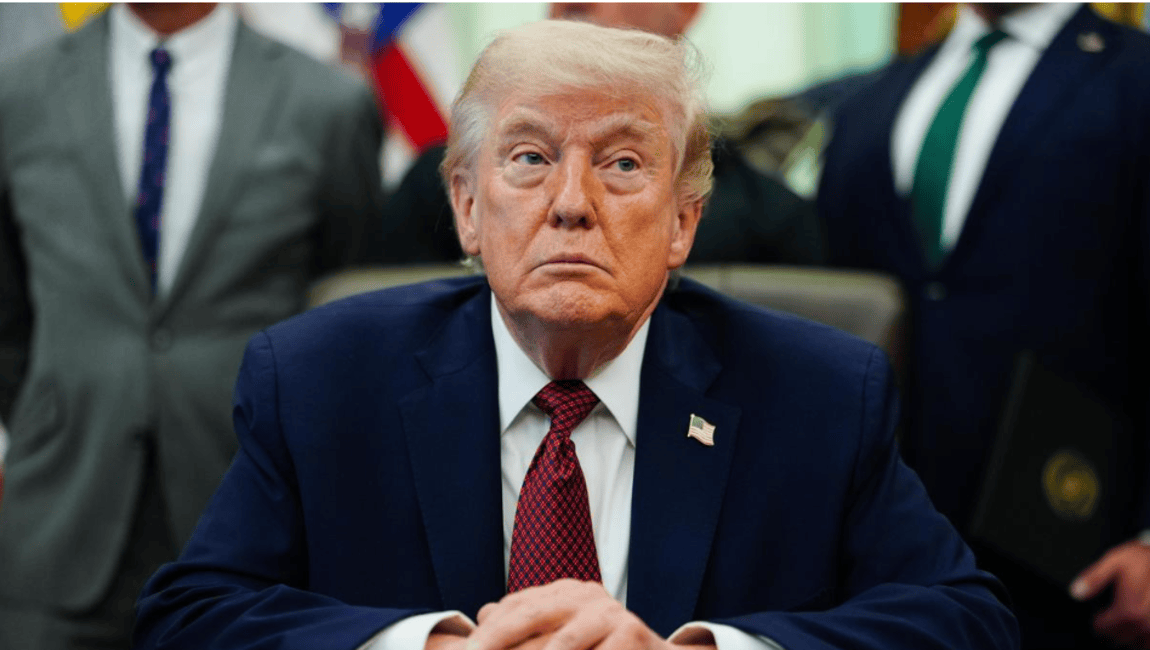

Analysts emphasize that the success of the negotiations will depend on:
- Clear objectives
- Mutual trust
- Consistent follow-through
Potential Outcomes: What Lies Ahead
The upcoming visit of U.S. officials to Pakistan could lead to several possible outcomes:
1. Strengthened Bilateral Relations
Successful talks could pave the way for improved diplomatic and economic ties.
2. Limited Progress
Negotiations may result in incremental gains without major breakthroughs.
3. Continued Challenges
Differences in priorities and trust deficits could limit the effectiveness of the talks.
Conclusion: A Critical Moment for Diplomacy
Donald Trump’s announcement that U.S. officials will visit Pakistan for negotiations marks an important moment in international diplomacy.
It signals a potential shift toward renewed engagement and highlights the strategic importance of Pakistan in regional and global affairs.
However, the path forward is uncertain. The success of the negotiations will depend on the willingness of both sides to address longstanding issues and build a foundation of trust. ALSO READ:- Manipur CM, Deputies Meet PM Modi; Push for Peace, Harmony and Women’s Empowerment in Hills and Valley 2026